Most people picture the King James Bible as a fixed book with 66 parts. The truth is that the first King James Bible, printed in 1611, held 80 books, not 66. Between the Old Testament and the New Testament sat a third section called the Apocrypha. It held 14 books that most modern Protestant Bibles no longer print. For more than 200 years, English readers grew up with those pages in the middle. That fact surprises a lot of people who have read the Bible their whole lives.
The Apocrypha was not slipped in by mistake. The translators who worked under King James knew these books well and placed them on purpose. They set them apart from the Old and New Testaments, but they still bound them inside the same volume. Books like Tobit, Judith, the Wisdom of Solomon, and First and Second Maccabees all sat there. The translators saw them as useful for reading and for history, even if they held a different weight than Scripture. So the choice was careful, not careless.
To understand why, you have to look back further than 1611. When Greek speaking Jews translated the Hebrew Bible into Greek, that version included these extra books. Early church readers used that Greek text for centuries, so the books came along with it. When Jerome later translated the Bible into Latin, he flagged doubts about them, but they stayed in common use. By the time English translators picked up the work, the Apocrypha had a long track record. Removing it would have felt strange to readers of that day.
The split came slowly, and money played a real part. Printing all 80 books cost more paper and more time than printing 66. Some Bible societies in the early 1800s decided to stop paying for the extra section. In the 1820s, one large society chose to leave the Apocrypha out of the Bibles it funded. Other printers followed that lead to cut costs and to please certain church groups. Within a few decades, most Protestant Bibles sold in English dropped those 14 books.
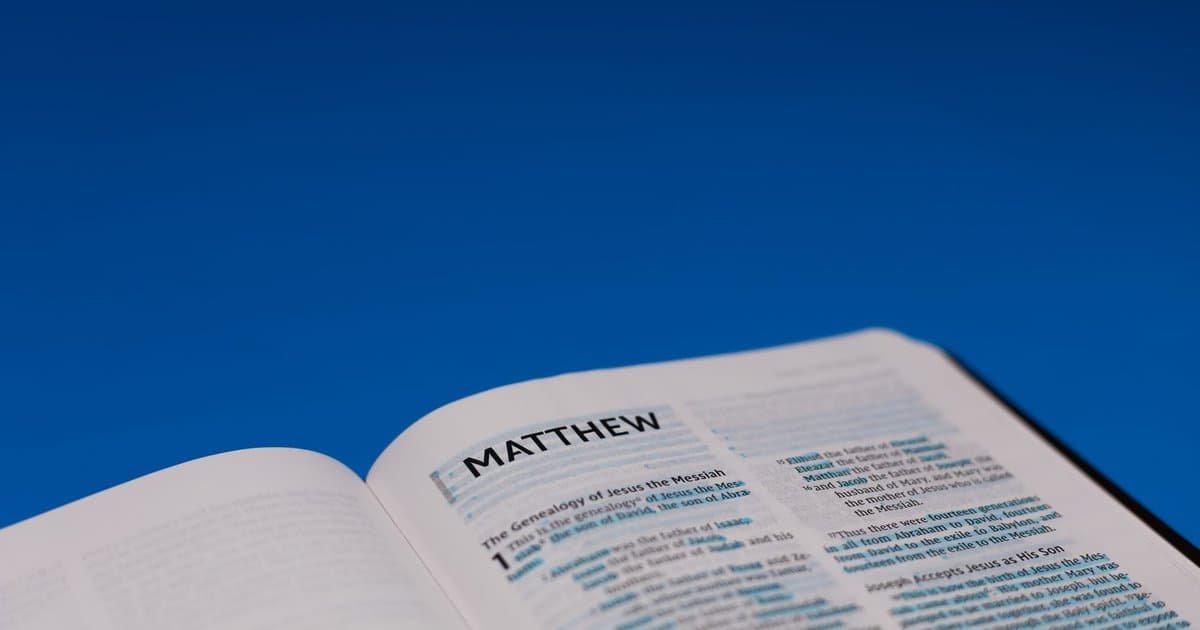
This is why two people can both say they read the King James Bible and still hold different books. A Catholic Bible today keeps several of these texts inside the Old Testament itself. Orthodox Bibles keep even more. Most Protestant Bibles keep none of them and jump straight from Malachi to Matthew. The words in the shared books match closely, but the table of contents does not. That gap traces straight back to the choices made in and after 1611.
None of this changes the core message that Christians have held for ages. The life, death, and rising of Jesus sit in the New Testament, and those pages never left. The debate over the Apocrypha is about the edges of the collection, not its heart. Still, it helps to know that the book in your hands went through real human hands. People chose the order, the sections, and even the size. Faith and history are woven together in ways many readers never notice.
There is a quiet lesson in all of this for anyone who cares about truth. We often treat the shape of a thing as fixed when it was really a set of choices. The Bible you own reflects centuries of copying, printing, and hard calls about cost and belief. That does not weaken it. If anything, it shows how many people gave their years to carry these words forward. Knowing the story behind the pages can deepen respect rather than shake it.
So the next time someone says the Bible has always looked the same, you can offer the real number. The first King James Bible held 80 books, and the middle section stood there for over two centuries. It left not because of some grand ruling but partly because paper cost money. History is often like that, shaped by both deep belief and plain practical need. The pages tell one story, and the making of the pages tells another. Both are worth knowing.