Almost everyone has had the same quiet thought after a good meal out. Why does this taste so much better than what I make at home, even when I cook the same dish? People assume restaurants have some secret ingredient or a level of talent no home cook can match. The truth is less mysterious and far more useful, because most of what makes restaurant food taste better is a set of habits, not a set of secrets. Once you understand what those habits are, you can borrow them, and the gap between your kitchen and theirs starts to close fast. The difference is real, but it is learnable.
The first and biggest reason is salt, used earlier and more boldly than most people use it at home. Restaurants season food throughout the process, not just at the end, so the salt works its way into the food instead of sitting on the surface. They also taste constantly and adjust, which is something home cooks rarely do because they are following a recipe instead of trusting their own mouth. Most home cooking is not bland because the cook lacks skill. It is bland because the food was salted once, late, and timidly. Seasoning in layers and tasting as you go is the single change that moves a dish the furthest.
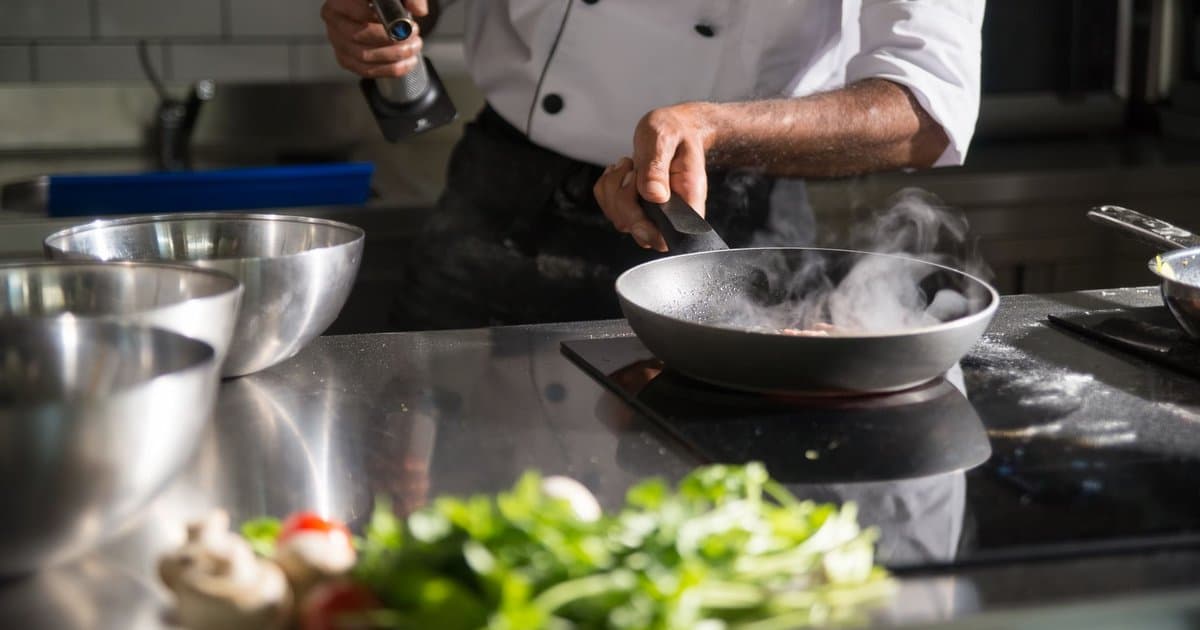
The second reason is heat, specifically far more of it than feels comfortable in a home kitchen. A restaurant burner runs hotter than a home stove, and cooks let pans get genuinely hot before food ever touches them. That is how you get a deep brown crust on a steak, real color on roasted vegetables, and the caramelized edges that carry so much flavor. At home, people crowd cold food into a lukewarm pan and then wonder why everything turns gray and steams instead of searing. Giving the pan time to heat, drying your food first, and cooking in batches so nothing is crowded gets you most of the way to that restaurant texture. Browning is flavor, and timid heat leaves it on the table.
The third reason is fat and acid, the two finishers that restaurants treat as essential rather than optional. A pat of butter swirled in at the end, a drizzle of good olive oil, or a squeeze of lemon or splash of vinegar can wake up a dish that tasted flat a second earlier. Acid in particular is the missing note in most home cooking, because it cuts richness and makes every other flavor sharper and brighter. Professional cooks reach for it instinctively. Home cooks often forget it entirely. A rich dish without acid feels heavy and dull, while the same dish with a hit of brightness feels finished and alive.
The fourth reason is fresh herbs, citrus zest, and texture added at the very end, which is where restaurants build the sense of a dish being special. A scatter of chopped parsley, some grated lemon zest, a crunch of toasted nuts or a few flakes of crunchy salt on top changes how a plate reads before you even taste it. These finishing touches cost very little and take seconds, yet they are the first thing most home cooks skip. The result is food that tastes fine but feels unfinished, like a song missing its last chord. Keeping a few fresh herbs and a lemon around, and using them at the end, closes more of the gap than any expensive gadget ever will.
The last reason is the least glamorous and the most important. Restaurants prep before they cook, so when it is time to make the dish, everything is chopped, measured, and within reach. That calm setup is why their cooking looks effortless and their timing lands. At home, people start cooking and chop as they go, which means the garlic burns while they dice the onion and the pasta overcooks while they hunt for the cheese. Spending ten minutes getting everything ready before you turn on the heat removes the panic and the mistakes that come with it. It is not talent that makes restaurant food taste better. It is salt, heat, acid, a strong finish, and a little preparation, and every one of those is yours to steal.