Almost everyone has done it at some point. You buy a good loaf, you know it will not get eaten in two days, and the fridge seems like the responsible place to put it. Two mornings later the slices are dry, tough, and crumbly in a way that no amount of butter can fix. The instinct was reasonable and the result was worse than doing nothing. Bread is one of the few things in your kitchen that the refrigerator actively harms, and the reason is a specific piece of food chemistry that almost nobody gets told about. Once you know what is happening, the storage rules stop feeling arbitrary.
The first reason is the one that explains everything else, and it is called starch retrogradation. When bread bakes, the starch granules in the flour absorb water and swell into a soft, open structure. As the loaf cools and sits, those starch molecules slowly recrystallize and squeeze the water back out. That process is what staling actually is, and it is not the same thing as drying out on the counter. Here is the part that matters. Retrogradation runs fastest at temperatures just above freezing, which is exactly the range your refrigerator holds.
The second reason follows directly from the first. A loaf in the fridge at around thirty eight degrees stales roughly several times faster than the same loaf sitting on the counter at room temperature. You are not slowing the clock down, you are speeding it up, and you are doing it on purpose without knowing. This is why refrigerated bread can feel days older after a single night. It also explains the odd experience of bread that is not visibly dry but tastes stale anyway. The water is still in there, it has just moved out of the starch and into places where it does no good. Weigh a stale slice against a fresh one from the same loaf and the difference is smaller than your mouth insists it should be.
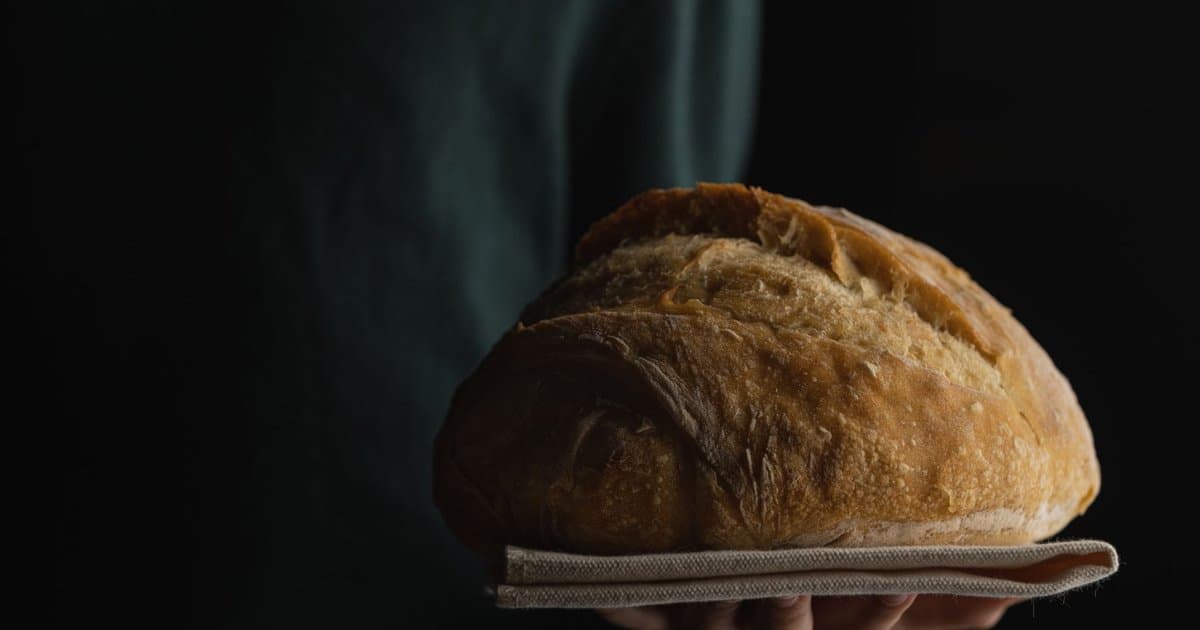
The third reason is that the cold pulls the crust in the opposite direction from the crumb. A good crust is dry and crisp because moisture was driven out of it during baking. Refrigerators are humid, so the crust absorbs moisture from the air and goes soft and leathery. Meanwhile the inside is drying out and firming up. You end up with the exact reverse of what you want, which is a soggy exterior wrapped around a dry, tight interior. That combination is nearly impossible to recover with toasting alone. Artisan loaves with a thick crust suffer the most here, which is unfortunate, because those are exactly the loaves people feel protective enough about to refrigerate.
The fourth reason is that the cold does not solve the problem people put bread in the fridge for. Most of us are trying to stop mold, and refrigeration does slow mold growth somewhat. But the tradeoff is bad, because you trade a few extra days of mold protection for a loaf that became unpleasant to eat well before it would have molded. If mold is the real concern, the freezer handles it completely rather than partially. The fridge lands in the worst middle ground on both counts. Sliced sandwich bread with preservatives resists mold for a week on its own, so it gains almost nothing from the cold and loses plenty.
The fifth reason is that people usually compound the mistake with the wrong wrapper. A tightly sealed plastic bag in a cold fridge traps the moisture leaving the crumb and holds it against the crust, which accelerates the sogginess. Paper bags do the opposite and let a loaf dry out even faster in that environment. Neither material fixes a storage temperature that is working against you. The container is a smaller variable than the temperature, and no bag will save a loaf from the cold. Bread also picks up odors easily in a fridge, so a loaf stored next to onions or leftovers comes out tasting like them.
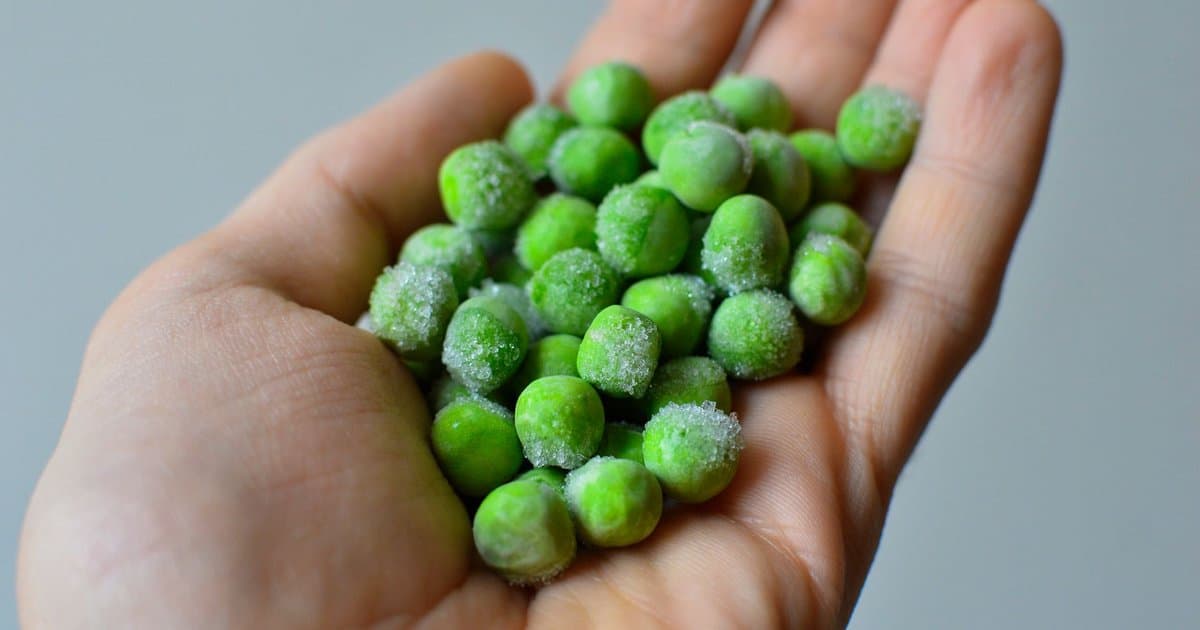
So here is what actually works. Keep bread you will finish within two or three days at room temperature, cut side down or in a bread box, away from direct sun. For anything beyond that, slice the loaf first and freeze it, because freezing takes the bread past the retrogradation zone rather than parking it in the middle of it. Frozen slices toast straight from the freezer with no thawing and come out close to fresh. If a loaf has already gone stale on you, a short pass in a hot oven with a light spray of water will temporarily reverse some of the crystallization. That trick only works once, so eat it that day. Anything past saving still makes good croutons, breadcrumbs, or French toast, and stale bread is actually better than fresh for all three.