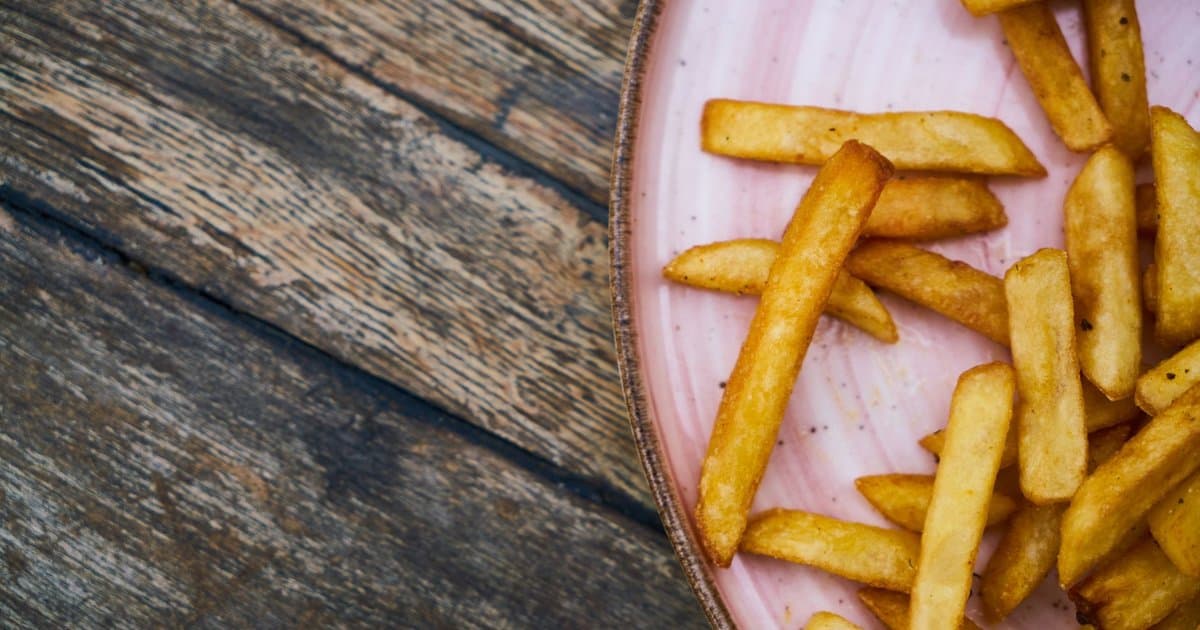
If you have ever pulled a batch of homemade fries out of hot oil only to watch them go limp within a minute, you already know the frustration. The potato looked promising, the oil was hot, and still the result was soft and greasy instead of crisp and golden. The instinct is to blame the potato or the pan, but the ingredient is almost never the problem. Restaurants use the same potatoes you can buy at any grocery store, cut with the same kind of knife. What separates their fries from yours comes down to three things that have nothing to do with luck: how you handle moisture, how you deal with surface starch, and how you apply heat.
A raw potato is roughly eighty percent water, and water is the single biggest enemy of a crisp exterior. When you cut a fry and drop it straight into oil, all of that surface moisture has to boil off before any browning can begin. While the water is escaping, the outside of the fry is steaming rather than frying, which is exactly how you end up with a pale, soft surface. The fix is to remove as much surface water as possible before the fry ever touches the oil. After cutting, pat the fries down hard with a clean towel until they feel dry to the touch. This one step does more for texture than any expensive equipment ever will.
The second problem is starch sitting on the cut surface of the potato. When you slice a potato, you break open its cells and release starch that would otherwise stay locked inside. Left in place, that loose starch browns too fast, burns in spots, and makes fries stick together in a clump. Soaking the cut fries in cold water for about thirty minutes pulls that excess surface starch away. You will actually see the water turn cloudy, which is the starch leaving. After soaking, you have to dry the fries completely again, because you just added water back to the surface and moisture is still the enemy from the first step.
Here is the part most home cooks never learn, and it is the biggest thing restaurants rely on. Great fries are cooked twice, not once. The first fry happens at a lower temperature, around three hundred degrees, and its only job is to cook the inside of the potato through without adding color. Think of it as poaching the fry in oil until it is soft all the way through. You pull the fries out, let them rest and cool, and then fry them a second time at a much higher temperature, around three hundred seventy five degrees. That second, hotter bath is what blisters the surface into a hard, glassy crust while the inside stays fluffy.
Even with perfect prep, one mistake can undo everything, and that mistake is crowding the pan. Oil holds a fixed amount of heat, and every cold fry you drop in pulls that temperature down. Dump a full basket at once and the oil temperature crashes, so instead of frying, your potatoes sit and simmer in lukewarm grease that soaks straight into them. That is the greasy, soggy result nobody wants. Work in small batches, give the oil a minute to recover its heat between rounds, and use a thermometer so you are not guessing. Hot oil in small batches beats a full basket in cooling oil every single time.
The final detail is timing your salt. Salt sticks best to a hot, slightly oily surface, so the moment the fries come out of that second fry is when you season them. Wait until they cool and the salt simply slides off onto the plate. Toss them in a bowl with salt right away, while they are still glistening, and every bite carries seasoning. If you are skipping the fryer entirely, the same principles carry over to the oven and the air fryer. Dry the potatoes, give them room so they are not touching, and use high heat so the surface sets before the inside can steam. The oven will not give you quite the same shattering crust as a deep fry, but the gap closes dramatically once you stop skipping the prep and start treating moisture and heat as seriously as a restaurant does.
None of this requires a special machine or a secret ingredient, which is the whole point. The reason your fries never matched the ones from your favorite spot was never the potato. It was that a restaurant kitchen quietly manages moisture, starch, and heat as a matter of routine, while most home cooks skip straight from cutting to frying. Once you build those steps into your process, crisp fries stop being a lucky accident and become something you can repeat on demand. Try it once the slow way, taste the difference, and you will not go back to the shortcut. The method was the missing ingredient all along.