If you have prayed for any length of time, you have probably hit the stretch where it feels like you are talking into an empty room. You bring your words, your worries, and your requests, and what comes back is silence rather than a clear answer. This is one of the most common experiences in the life of faith, and it shows up in people who have prayed for decades just as much as in beginners. The honest question underneath it is whether anyone is actually listening, and pretending you have never asked it does not help. What helps is looking at the silence carefully instead of treating it as proof that prayer does not work. The answer is usually more layered than the feeling suggests.
Part of the issue is what we expect prayer to be. Many of us absorb the idea that prayer is a transaction, where we say the right words and a clear result arrives on schedule. When that does not happen, we conclude the line is dead, when in fact we may have been measuring the wrong thing. The older traditions describe prayer less as a vending machine and more as a relationship, and relationships do not run on instant replies. A long marriage includes plenty of quiet evenings where nothing dramatic is said, and that quiet is not the absence of love, it is the texture of it. Prayer that feels one-sided may simply be prayer that has matured past the need for constant confirmation.
The Bible itself is surprisingly honest about this, which is one reason it has held up. The Psalms are full of people asking how long they have to wait and why God seems far off, and those complaints were not edited out, they were kept and sung. Figures like Job and the prophets spend long seasons in apparent silence before anything shifts, and the silence is treated as part of the story rather than a mistake. Even Jesus, in the garden and on the cross, prays in a way that does not get an immediate visible answer. If the central texts of the faith include this experience without flinching, then your version of it is not a sign that something has gone wrong with you. It is closer to a shared human inheritance.
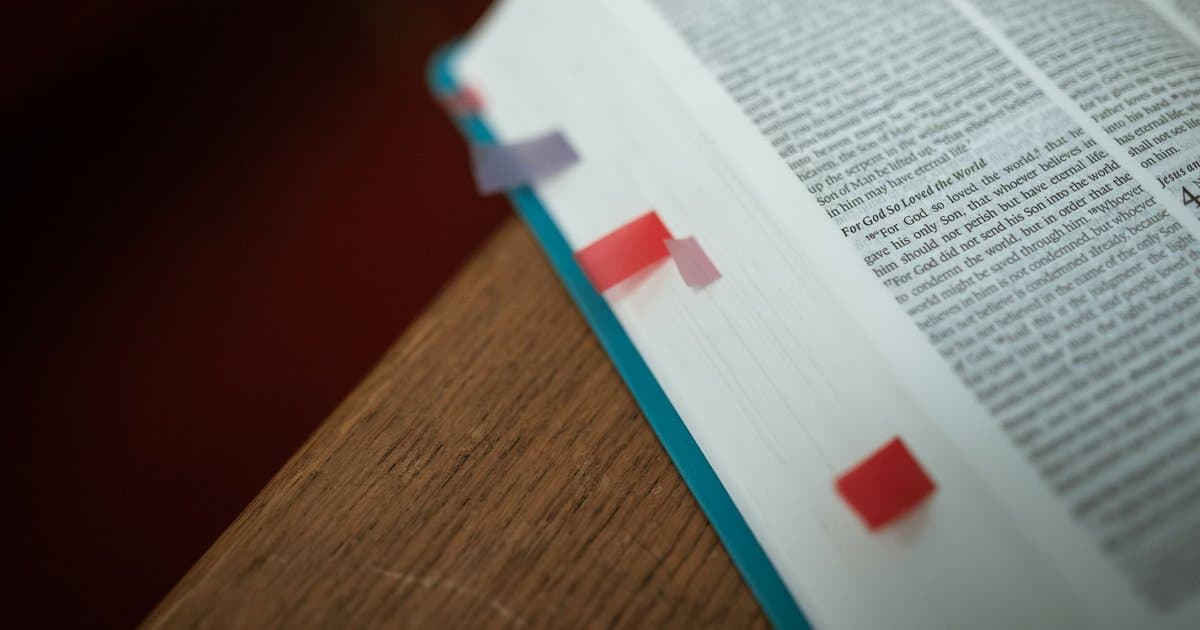
There is also a practical side worth naming, because some of the silence is about how we are praying. Prayer that is only a list of requests tends to feel one-sided, since a monologue usually does. Many people find that the silence changes when they spend part of their prayer simply being quiet and listening, rather than filling every second with words. Reading scripture slowly, sitting with a single verse, or writing out what you are actually feeling can turn the experience from a broadcast into a conversation. The point is not a technique that forces a reply, but a posture that makes you more able to notice one. Often the answer was never going to be a voice, but a slow shift in how you see your situation.
None of this erases the ache of waiting, and it should not. There are prayers that go unanswered for years, and faith does not require you to pretend that is easy or to dress it up as a blessing in disguise. What faith offers instead is a way to keep showing up without needing the silence to break first. The people who last in prayer are usually the ones who stopped grading it by immediate results and started treating it as something they do because the relationship is worth tending. If prayer feels one-sided this season, that may be a sign you are praying like an adult rather than a child expecting a prize. Keep bringing your words, and learn to sit in the quiet, because both halves are the practice.