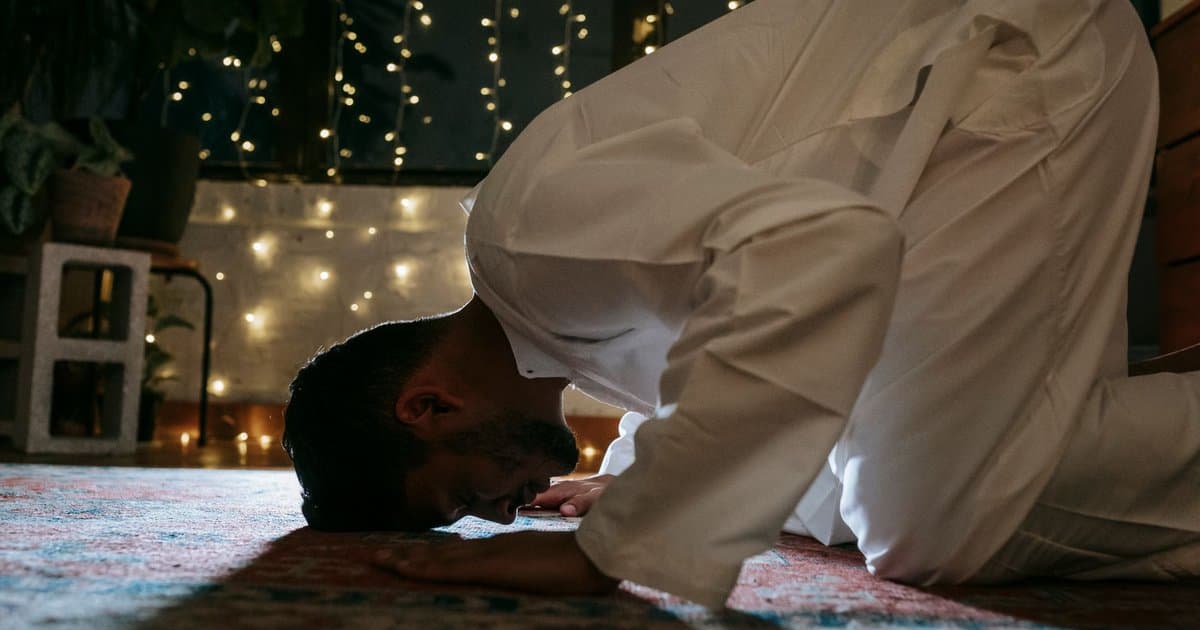
Picture prayer and most people picture the same thing. Head bowed, eyes closed, knees on the floor or a cushion. Kneeling has become the default posture for prayer across much of the world, so common that it feels like the natural and original way. But it was not always the standard, and it did not begin as the main posture at all. For long stretches of history, people prayed standing up, with their eyes open and their hands raised. The story of how kneeling won is really a story about what the body was trying to say.
If you read the oldest accounts, standing shows up again and again. In the ancient world, standing with hands lifted toward the sky was a normal way to pray, a posture of openness and expectation. Early worshippers often prayed on their feet, especially in moments of praise and thanksgiving. The raised hands meant something plain and human. They pictured a person reaching upward, ready to receive. Standing was not casual or disrespectful in the least. It was the body saying it was present and awake before God.
Kneeling carried a different message, and that message is the key to the whole thing. To kneel is to make yourself lower and smaller in front of someone greater. It is the posture of a subject before a king, a servant before a master, a person setting aside their own standing. In the ancient world, you knelt before rulers to show submission, and that image carried straight into prayer. When people wanted to express humility or surrender, they went to their knees. The posture said what words sometimes could not.
Kneeling also showed up in the heaviest moments. When someone was desperate, grieving, or begging for mercy, standing no longer fit the feeling. People fell to their knees, and sometimes all the way to the ground, in prayers of deep need. The body simply followed the weight of the heart. A person in crisis does not reach up with confident hands, they sink down and plead. So kneeling became tied to the most urgent and honest kinds of prayer, the ones offered from the very bottom.
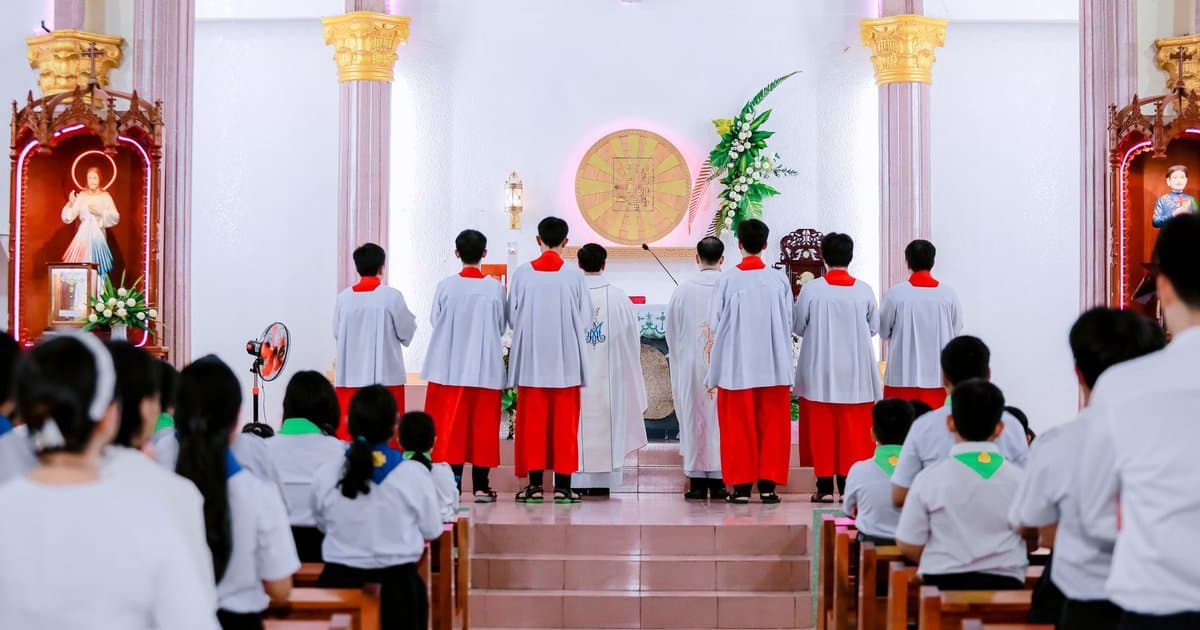
Over the centuries, kneeling slowly moved from one posture among many to the expected one, at least in the West. Part of that was the world people lived in. In societies built around lords and kings, kneeling before power was a daily reality everyone understood. It made natural sense to bring that same posture into worship, kneeling before the highest authority of all. Church buildings and furniture followed, with rails and benches made for the practice. What began as a gesture of humility hardened into a habit, and then into a rule.
Step back and the fuller picture is richer than any single pose. Across the scriptures and the traditions that grew from them, people prayed in many positions. They stood, they knelt, they bowed their heads, they lay face down on the ground, they lifted their hands and their eyes. Each posture carried its own meaning, from joyful praise to sorrowful pleading. There was never really one correct way to hold your body in prayer. There were many ways, each matched to a different state of the heart.
That is the quiet point behind all of it. Posture in prayer was never about following a rule for its own sake. It was the body joining the words and adding honesty to them. Kneeling makes humility physical, so the heart and the knees agree. Raised hands make hope physical. Bowing makes reverence something you do, not just something you think. The outside was always meant to match the inside, which is why the posture mattered in the first place.
So kneeling was never the only way to pray, and it was not the first. It won its place because of what it said, a whole-body way of admitting you are small before something vast. Knowing that can change how it feels the next time you do it. You are stepping into one of the oldest gestures humans have, the choice to lower yourself on purpose. And you are still free to stand, to bow, or to lift your hands, each one saying its own true thing. The posture was always meant to speak, and it still does.