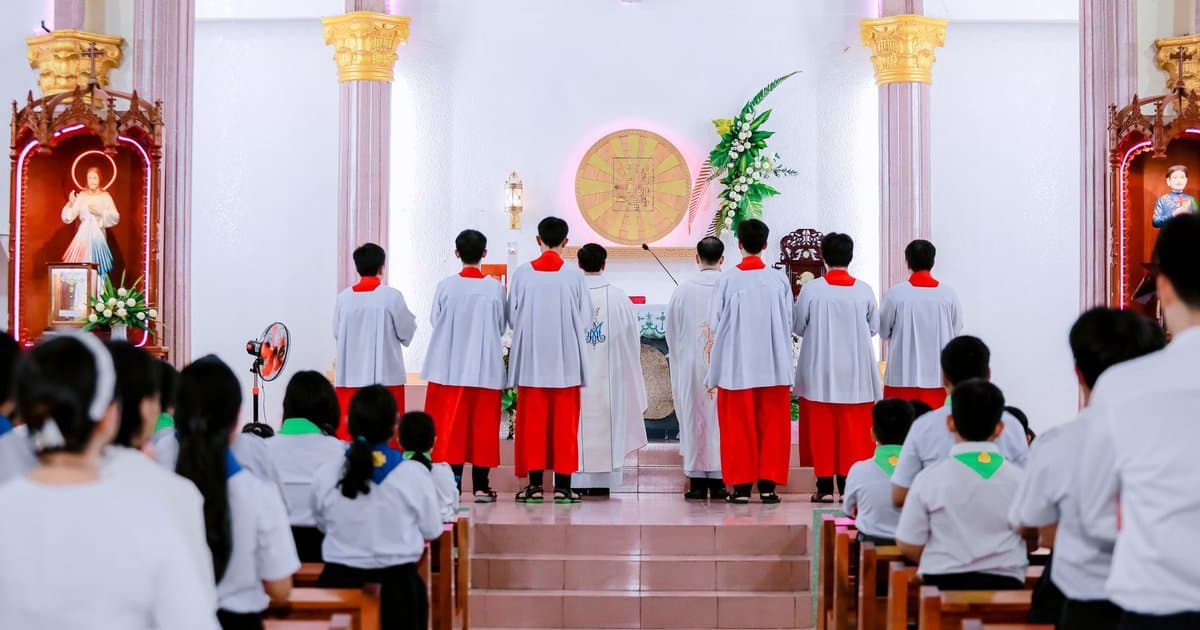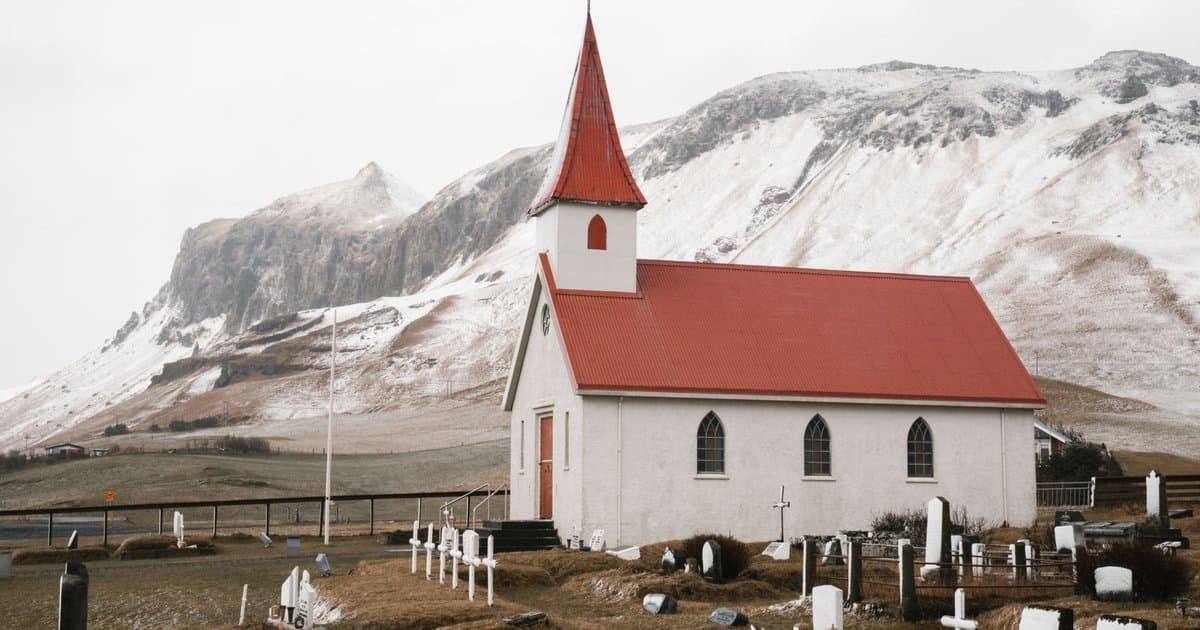
You did not mean to stop going. A busy season came, or you were tired, or something happened that made you want space, and you missed one Sunday. Then you missed another. A few weeks became a few months, and now the strange thing is that going back feels harder than staying away, even though you want to go. This is one of the most common experiences in the life of faith, and almost nobody talks about it out loud. People assume the gap grows because their faith shrank. Usually that is not the real reason. The reason is more human and more fixable than that.
Part of it is simple habit. Showing up somewhere every week is a rhythm your body learns, and rhythms fade when you stop repeating them. When church was a fixed part of your week, you did not have to decide to go. You just went, the way you go to work or make coffee. Once that rhythm breaks, every single Sunday becomes a decision you have to make on purpose, against the pull of rest, comfort, and a hundred other things competing for the morning. Decisions are tiring in a way habits are not. So the longer you are away, the more effort each return requires, because you are fighting to rebuild something that used to run on its own.
Then there is shame, and shame is heavier than habit. When you have been gone a while, a quiet voice starts telling you that people noticed, that they wonder where you went, that you will have to explain yourself. You imagine walking in and being asked where you have been, and the imagined conversation feels worse than it would ever actually be. So you avoid it, and avoiding it makes the gap longer, and the longer gap makes the shame louder. It becomes a loop that feeds itself. The thing keeping you away is not that you stopped believing. It is that you started dreading the doorway.
There is also a deeper layer that people rarely name. Sometimes the distance is not really about church at all. Sometimes you drifted because something inside felt unresolved, a disappointment with God, a prayer that went unanswered, a season where faith felt dry and going through the motions felt fake. Stepping back can feel more honest than pretending. That instinct is not wholly wrong, but it hardens over time into something that looks like distance and feels like doubt. What started as honest fatigue becomes a settled habit of absence, and you can forget that you ever wanted to be there in the first place.
The people in the oldest stories of faith understood this rhythm of drifting and returning. The Psalms are full of writers who felt far off and said so plainly, asking why God felt distant and where the old nearness had gone. Elijah ran and hid after a great victory, exhausted and wanting to quit, and God met him not with a lecture but with food and rest and a quiet voice. The point running through all of it is that the door back is never as heavy on God's side as it feels on yours. The distance you feel is not the distance that is actually there. That is worth sitting with when the shame tells you otherwise.
So how do you actually go back. You make it small and you make it soon. Do not wait until you feel ready, because ready is a feeling that shows up after you act, not before. Pick a Sunday and just go, and let it be awkward, and expect the first ten minutes to feel strange. If walking into a full service feels like too much, go to a smaller gathering first, or reach out to one person you trust and go with them. The goal is not to arrive with your faith fully repaired. The goal is to shorten the gap before it grows again.
The truth almost nobody says is that returning is ordinary. People drift and come back all the time, and the ones who make it back are not the ones who never left. They are the ones who stopped waiting to feel worthy of the doorway and simply walked through it. The gap grows in the dark, fed by habit and shame and unspoken disappointment. It shrinks the moment you name it and move toward the door instead of away from it. You do not have to fix everything first. You just have to go back once, and then go back again.