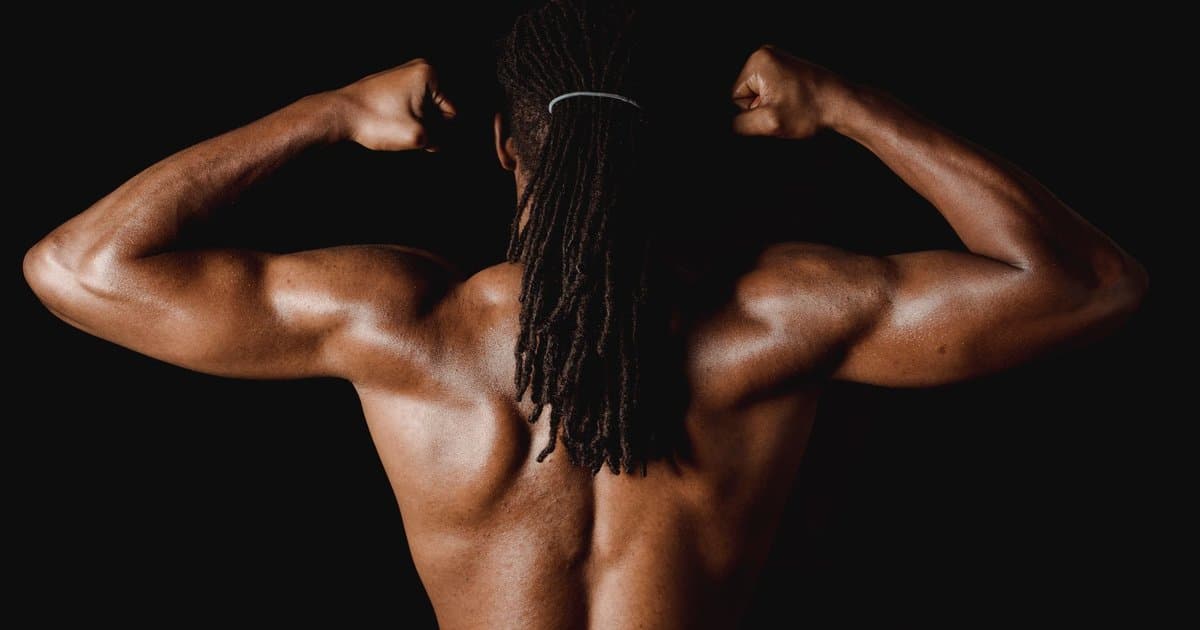
You are deep into a tough set, or holding a plank past the point of comfort, and your muscles start to shake. It can feel alarming, like something is going wrong inside. In almost every case, the shaking is normal and it has a clear cause. Your muscles are not single blocks of tissue that switch on all at once. They are made of many small teams of fibers called motor units, each one switched on by a nerve. That teamwork is the key to understanding the tremble you feel. The shake is a message, not a malfunction. Once you can read it, it stops being scary.
When a muscle works, these motor units take turns firing to share the load. Fresh and rested, they fire in a smooth, staggered rhythm that you never notice. As the effort drags on, some units tire and drop out, and the others have to fire faster to cover the gap. That firing becomes less even, more of a stutter than a steady hum. The visible result of that uneven signal is the shake you see in your arms or legs. It is the sign of a muscle working near its current limit.
Fatigue is the most common driver of the trembling. The longer a muscle holds tension, the more its fibers struggle to keep contracting in sync. Near the end of a hard set, so many units are firing and so many are fading that control gets shaky in the literal sense. This is why the last two reps of a heavy lift wobble more than the first two. It is also why a plank that felt steady at twenty seconds turns into an earthquake at sixty. The muscle is not failing you, it is telling you where the edge is. That edge is exactly where growth tends to happen. The wobble is a rough map of your current limit.
New or unfamiliar movements bring their own kind of shaking. When you try an exercise your body has not practiced, the small stabilizing muscles have not learned to fire efficiently yet. Your nervous system is still working out the timing, so the motion looks jerky and feels unsteady. This is common on single leg drills, on rings, or on any move that demands balance. With practice, the shaking fades as coordination improves, even before the muscle gets much stronger. A lot of early progress in training is really your brain learning the pattern.
Shaking is not always about muscle fatigue. Muscles run on fuel, and when that fuel runs low the tremble can show up early. Training hard on an empty stomach, or long after your last meal, can leave blood sugar low enough to make you shaky and lightheaded. Dehydration and lost minerals like sodium and potassium can do the same by disturbing how nerves signal muscles. If the shaking comes with dizziness, a cold sweat, or nausea, that is a fuel problem, not a strength one. The fix there is food and water, not pushing harder.
A few other things can amplify the shake. A large dose of caffeine before a workout can leave your hands trembling on their own, since the stimulant raises the excitability of your whole system. Nerves and adrenaline before a big lift can add a similar jitter. Cold muscles that have not warmed up may tremble more than warm ones. None of these are dangerous on their own. They are just extra inputs stacking onto the normal signal from tired fibers. Cut the caffeine if the jitters bother you. A proper warm up settles most of the rest. Your body usually calms once it is ready.
So when should shaking actually concern you? A tremble that only shows up during hard effort and stops soon after you rest is nothing to fear. Worry is only warranted when the shaking is sharp, one sided, or paired with real pain rather than the burn of effort. Trembling that appears at rest, with no exertion behind it, is a different matter and worth a doctor's look. For the everyday lifter, though, the workout shake is a normal report from a working body. Learning to read it keeps you from mistaking effort for injury.
You can even use the shaking as feedback. It marks the zone where a muscle is genuinely challenged, which is often where it adapts and grows. That does not mean chasing the tremble on every set or grinding to collapse each time. It means recognizing that a little shake near the end of hard work is a sign you reached the muscle, not a sign you broke it. Eat before you train, drink enough water, and warm up so the shake reflects effort and not empty tanks. Then let the last few trembling reps do their job.