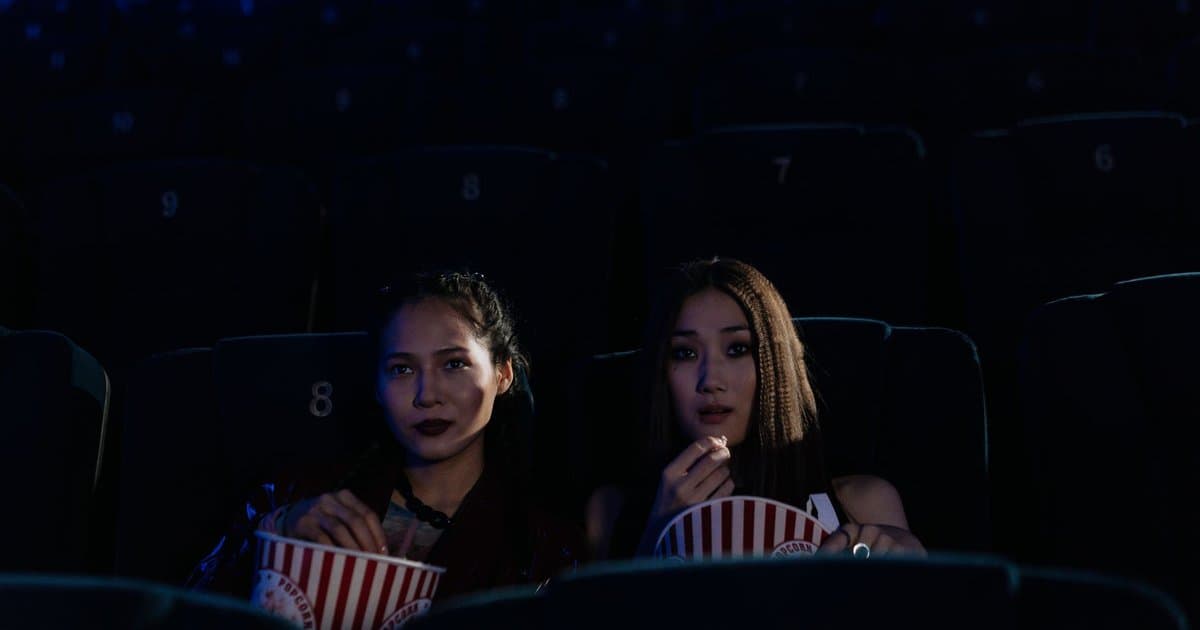
You sit down to watch a big new drama, a key scene starts, and you genuinely cannot tell what is happening on screen. The characters are whispering in a room lit by a single candle, the shadows swallow half the frame, and you find yourself adjusting the brightness or pulling the curtains shut at noon. If you have felt that frustration, you are not alone, and you are not wrong. Modern prestige television really is darker and murkier than the shows of twenty years ago, and the reasons are a mix of artistic choice, technical reality, and a few things that simply break between the studio and your couch.
Part of it is intentional. Cinematographers working on streaming dramas often chase a moody, filmic look that signals seriousness and separates a show from the flat, bright lighting of old network television. Low light, deep shadow, and high contrast feel cinematic, and a director who wants their series to read as art will lean into darkness on purpose. On the monitors in a color grading suite, which are expensive, perfectly calibrated, and viewed in a dim controlled room, those scenes look gorgeous and every detail in the shadows is visible. The problem is that almost nobody watches television in those conditions. The image that was graded in a dark professional room ends up on your living room set in the middle of the afternoon, and the careful shadow detail collapses into a black smear.
Then there is the technology itself, which cuts both ways. Newer shows are mastered in high dynamic range, a format that allows a much wider gap between the brightest highlights and the darkest blacks. On a top-tier television in a dark room, that range is stunning and the shadows hold real detail. On a cheaper or older set, or a TV using its default showroom picture settings, the dark end of that range gets crushed into mud, because the screen physically cannot reproduce those subtle gradations. Compression makes it worse. Streaming services squeeze the video to save bandwidth, and dark scenes full of fine gradient and grain are the hardest thing to compress cleanly. The result is blocky, smeared shadows where the artistry used to be. So the same scene can look flawless to the people who made it and nearly unwatchable to the person paying for the subscription.
Production pace plays a role too. Streaming demands enormous volumes of content on tight schedules, and lighting a scene beautifully takes time that a rushed shoot does not always have. It is faster to shoot dark and fix it later in the grade than to carefully light every frame on set. Sometimes the fix never fully happens, and the murk that was supposed to be temporary becomes the final look. None of this means the people making television are careless. They are working inside real constraints of budget, calendar, and a delivery pipeline that ends on devices they cannot control. The disconnect is structural. The image is created for ideal conditions and consumed in ordinary ones.
The encouraging news is that you can claw back a lot of clarity on your own end. Start by turning off your television's motion smoothing and any dynamic or vivid picture mode, then switch to the filmmaker or cinema preset if your set has one, because those modes get closest to how the show was actually graded. Dim the lights in the room when you can, since shadow detail only survives when stray light is not washing out the screen. If your set supports it, make sure you are getting the high dynamic range signal, and check that your streaming plan is delivering the highest quality tier rather than a throttled one. These small adjustments will not fix every overly ambitious dark scene, but they recover a surprising amount of the picture the creators intended.
It is worth saying that the trend is partly a pendulum swing too. Older television was often lit flat and bright because it had to survive on small, low-quality screens in well-lit rooms, and that look came to feel cheap and dated. Modern creators reacted by chasing the opposite, embracing shadow and contrast to feel more like cinema. Like most overcorrections, it went a little far, and now the darkness sometimes works against the very audiences it was meant to impress. The best shows are learning to balance mood with legibility, lighting scenes that feel rich without disappearing on an ordinary set. As more people watch on phones and tablets in bright places, that balance will matter even more.
So the next time you squint at a shadowy scene and reach for the remote, know that the frustration is built into the system, not into your eyes. Television is being made for one set of conditions and watched in another, and the gap shows up most in the dark. Understanding why does not make a murky episode easier to love, but it does put the power back in your hands. A few settings changed once can make every show you watch afterward clearer, sharper, and a lot closer to what someone in a color suite saw and called finished.