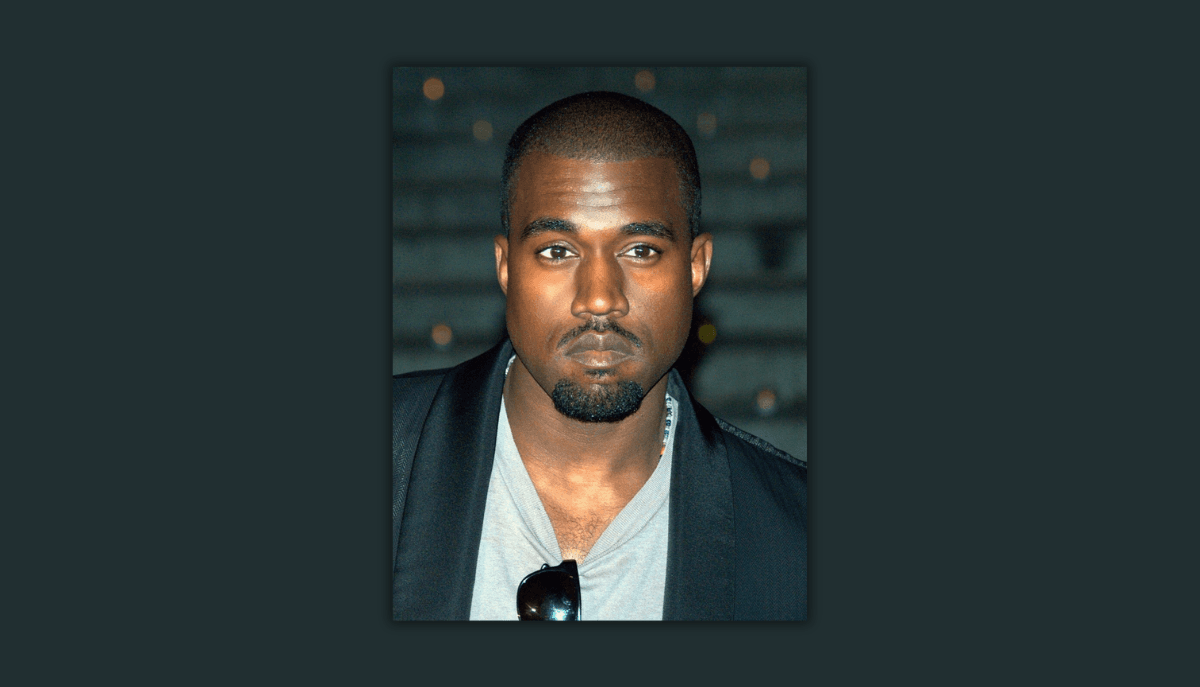
London's Wireless Festival, one of the largest urban music festivals in Europe, has been canceled after the UK government barred headliner Kanye West from entering the country. UK Prime Minister Keir Starmer issued a statement saying West should have never been invited to headline the event, and the Home Office confirmed that the artist, who now goes by Ye, has been denied entry under provisions that allow the government to exclude individuals whose presence is deemed not conducive to the public good. Festival organizers announced the cancellation rather than attempting to secure a replacement headliner, citing the logistical impossibility of restructuring the event at this stage with the festival scheduled for early July.
The decision to ban West is the culmination of years of controversy surrounding the artist's public statements, including antisemitic remarks made in 2022 and 2023 that led to the termination of his partnership with Adidas and his removal from multiple business relationships. Several European countries have restricted or denied entry to West in recent years, and the UK ban follows a similar decision by Australia in 2024. The Home Secretary's office did not specify which exact statements or actions triggered the ban, but advocacy groups including the Board of Deputies of British Jews and the Community Security Trust had been lobbying for the decision since West was announced as a headliner in February. The announcement drew immediate support from anti-hate organizations and criticism from free speech advocates who argue that banning artists sets a problematic precedent for cultural exchange.
The cancellation creates significant financial and logistical fallout for everyone involved in the festival ecosystem. Wireless typically draws between 45,000 and 55,000 attendees per day over a three-day weekend, generating tens of millions of pounds in ticket revenue, vendor sales, and local economic activity. Ticketholders will receive full refunds, but the hundreds of smaller artists, DJs, and performers who were booked for undercard slots lose a major performance opportunity and the income that comes with it. Production crews, security companies, food vendors, and local businesses that had staffed up in anticipation of the event are left with canceled contracts and no replacement revenue. The hospitality sector around Finsbury Park, the festival's traditional venue, had already booked out hotels and increased inventory in preparation for the weekend.
The broader conversation this event has sparked touches on questions that the entertainment industry has been navigating for years without clear resolution. How do you separate an artist's creative output from their personal conduct? When does controversial speech cross the line from protected expression to a legitimate basis for exclusion? And who gets to make those decisions? These are not abstract philosophical questions for festival organizers, booking agents, and venue operators who have to make real choices about which artists to platform and which risks to accept. The financial incentive to book controversial artists is significant because controversy drives ticket sales and media attention. But the reputational risk and potential legal liability have increased as audiences, sponsors, and governments become less willing to look the other way.
For the music industry specifically, the Wireless cancellation is a warning about the concentration risk that comes with building an entire festival around a single headliner. Major festivals have historically relied on one or two marquee names to anchor ticket sales, with the undercard serving as a value-add rather than a primary draw. That model works when everything goes according to plan, but it creates a single point of failure that can bring down the entire event if the headliner cancels, gets sick, or in this case gets banned from the country. Festivals that spread their booking investment more evenly across a deeper lineup of artists are more resilient to these disruptions, even if they sacrifice some of the marketing power of a single megastar name on the poster.
The situation also highlights the growing intersection of politics and live entertainment. Government intervention in festival lineups would have been nearly unthinkable a decade ago, but the post-pandemic era has seen increased willingness from public officials to weigh in on cultural events. Whether you view that as appropriate oversight or overreach depends largely on your perspective, but the practical reality is that artists with controversial public profiles now face a new layer of risk when booking international dates. Promoters will need to factor government relations and entry risk into their booking decisions the same way they already factor in insurance costs and force majeure clauses.
For fans who had purchased tickets and planned travel around the festival, the cancellation is a frustrating reminder that live events carry inherent uncertainty. Refunds will be processed, but the non-refundable flights, hotel bookings, and time-off requests that attendees had arranged around the dates are harder to recover. It is another example of how decisions made far above the level of ordinary people ripple down into their schedules, budgets, and plans in ways that the decision-makers rarely have to account for personally.