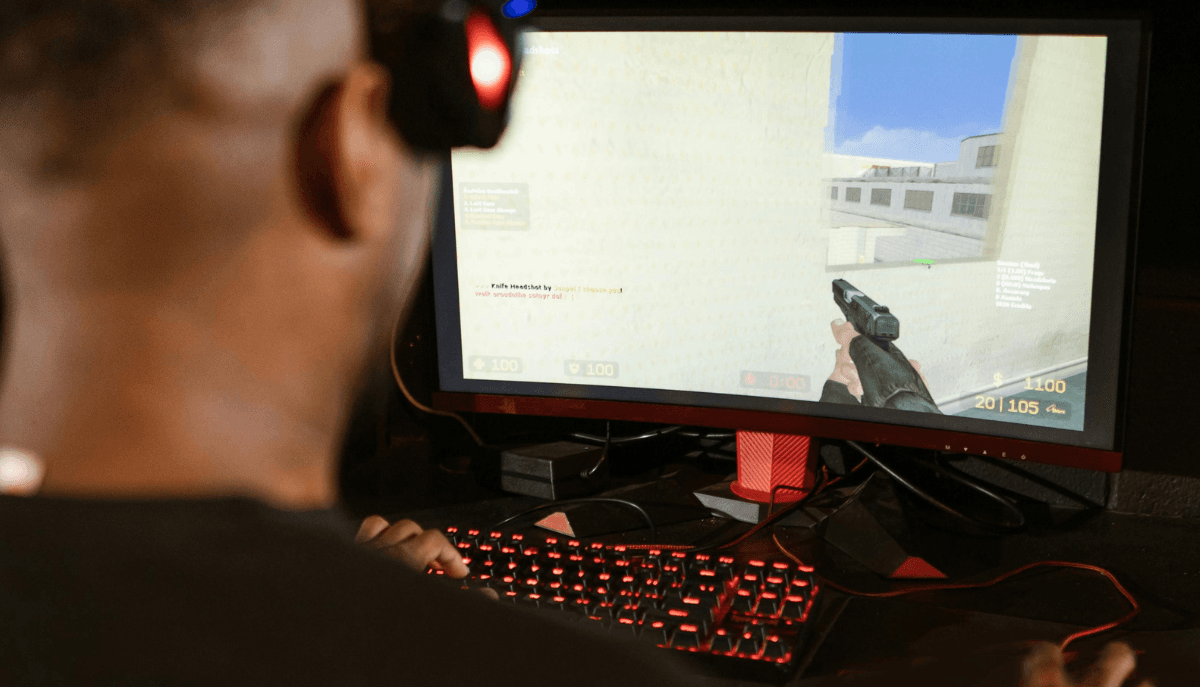
Intel Extreme Masters Rio is happening right now. The tournament, which runs April 13 through April 19 in Rio de Janeiro, is the first international Counter-Strike 2 major of the 2026 calendar and the first top-tier CS event held in Brazil since 2022. The arena has been sold out for weeks. Fans who were unable to get tickets are gathering at bars and public viewing sites across Rio and São Paulo. Brazilian Counter-Strike has been going through a rebuilding period for the past several years, and the tournament arriving back in the country is being treated as a moment of cultural return. The online atmosphere around the event reflects that. Brazilian Twitch viewership numbers for IEM Rio are already among the highest in the tournament's history.
The tournament structure runs through the final match on April 19, with sixteen invited teams competing through a Swiss format into a double elimination playoff bracket. The prize pool is $1 million, with $400,000 going to the first place team. Teams competing include the current top five globally ranked rosters. FaZe Clan, Vitality, Falcons, G2, and Natus Vincere are all in the field. Three Brazilian organizations are also present. MIBR, Imperial, and Pain Gaming have all qualified, and each has built rosters specifically designed to perform on home soil in front of Brazilian crowds. The home-team factor in Counter-Strike is real. The noise volume inside a Brazilian CS arena affects how teams communicate under pressure and how quickly they adapt to unexpected plays.
The significance of the tournament for Brazilian gaming is worth understanding. Brazil has been one of the most committed Counter-Strike markets in the world for more than a decade. Brazilian players and Brazilian teams have won multiple major championships. But the domestic esports infrastructure has struggled over the past several years. Several major Brazilian organizations reduced their investment in CS during the CS:GO to CS2 transition. Players moved to European organizations to stay competitive. Local tournaments shrank. IEM Rio 2026 is being positioned both by ESL and by the Brazilian esports industry as a turning point. If the event performs well, more major tournaments will schedule Brazilian stops. If it underperforms, the gap between Brazil's fan base and Brazil's tournament hosting pace will continue.
The gameplay on display this week is serious. Counter-Strike 2 has matured significantly over the past eighteen months. The most notable competitive changes in 2026 have been in utility usage, timing windows for bomb plants and retakes, and the rebalanced economic systems that make round-by-round decisions more consequential. Teams that can execute precise setups and adapt quickly to opponent strategies have pulled ahead of teams that rely heavily on individual mechanical talent. The Vitality roster led by Zywoo, the Falcons roster built around Niko, and the Natus Vincere lineup with new additions have been the most consistent performers through the first quarter. Any of those teams could win IEM Rio. An upset by a Brazilian team would be one of the biggest stories in Counter-Strike history.
The broader esports calendar context matters. April is a busy month across competitive gaming. CS2 has IEM Rio and BLAST Premier Rivals later in the month. League of Legends has regional splits in North America, Europe, and Asia running simultaneously. Dota 2 has PGL Wallachia Season 8. Valorant has Masters Bangkok later in the quarter. The overlap of major events is creating record viewership hours across Twitch, YouTube Gaming, and regional platforms. April 2026 is on pace to be one of the largest total viewership months in competitive gaming history. That matters for sponsorship dollars, organizational budgets, and the pace at which new investors enter the space.
For someone trying to watch IEM Rio without following competitive Counter-Strike closely, the recommended approach is to tune in for the playoff stage starting April 17. The group stage and Swiss brackets produce matches with lots of strategic nuance that non-specialist viewers often find hard to parse. Playoff matches are more accessible. The production team at ESL does a good job walking audiences through key moments without overwhelming them with data overlays. The English-language broadcast is available on YouTube and Twitch. The Portuguese-language broadcast is also streaming and offers a distinctly more emotional presentation. Brazilian CS commentary has a cultural rhythm that is entertaining on its own, even to viewers who do not speak Portuguese.
The tournament also has implications for individual players. Several rosters will come out of Rio with changed trajectories. Teams that underperform will likely see roster moves before the next major. Teams that exceed expectations will lock in their lineups through the summer. Players on the bubble between top-tier contention and the tier below the majors use events like this to establish their status. Scouts from every major organization are in attendance in person. Contract negotiations for the second half of 2026 will be shaped by what happens in Rio this week.
Beyond the competitive stakes, the event is also a cultural moment. Rio's role in global gaming is expanding. The city has become a destination for content creators, esports production companies, and streaming infrastructure investment. Major Brazilian creators including gaules have built fan bases that rival traditional sports broadcasters. Local government support for esports has increased, with state-level investment in tournament facilities and educational programs. IEM Rio 2026 is not just a Counter-Strike event. It is a signal of where competitive gaming in Latin America is heading, and the rest of the global esports industry is paying attention.