You download a simple app to do one small thing, and before it opens it asks for your location, your contacts, your microphone, and the right to send you notifications. A calculator wants your camera. A game wants your call log. Most people tap allow without thinking, because the app will not work otherwise and the request feels routine. But that moment is worth slowing down for, because the gap between what an app does and what it asks to access tells you a lot about how it actually makes money. When the product is free, the permissions are often the price.
Start with the business model, because it explains almost everything. An app that charges nothing has to earn somewhere, and for a large share of free apps the answer is data and advertising. Your location history, your installed apps, and your usage patterns are valuable to advertisers who want to target you precisely. Every permission you grant widens the picture a company can build and sell or use to place ads. The flashlight does not need your contacts to turn on the light. It asks because that contact list is worth more than the few cents the app itself could ever charge you.
Not every request is sinister, though, and it helps to know the difference. Some permissions are genuinely required for a feature to function, like a video app needing the camera or a maps app needing location. The honest signal is timing and relevance. A well behaved app asks for access at the moment you use the feature that needs it, and explains why in plain language. A questionable app asks for everything up front, before you have done anything, and bundles necessary requests with ones that have nothing to do with the task. When the ask comes too early and covers too much, that is your warning.
The deeper problem is that permissions rarely expire on their own. You grant location access once to find a nearby store, and the app may keep collecting that data quietly for months afterward. Background access is the part most people never think about, because nothing on the screen reminds you it is happening. An app you opened twice last year can still be tracking where you go if you never revoked what you granted. That slow accumulation is how a single careless tap turns into a long term stream of personal information flowing somewhere you cannot see.
It also pays to notice which companies are behind the apps you trust. A small developer with no clear way to make money is often monetizing the only asset they have, which is you. A larger company may handle data more carefully, but it also has more places to send it and more reasons to want it. Reading the short summary of how an app uses data, which both app stores now require, takes a minute and tells you a lot. The apps that are honest about it tend to ask for less. The ones that bury it tend to ask for everything.
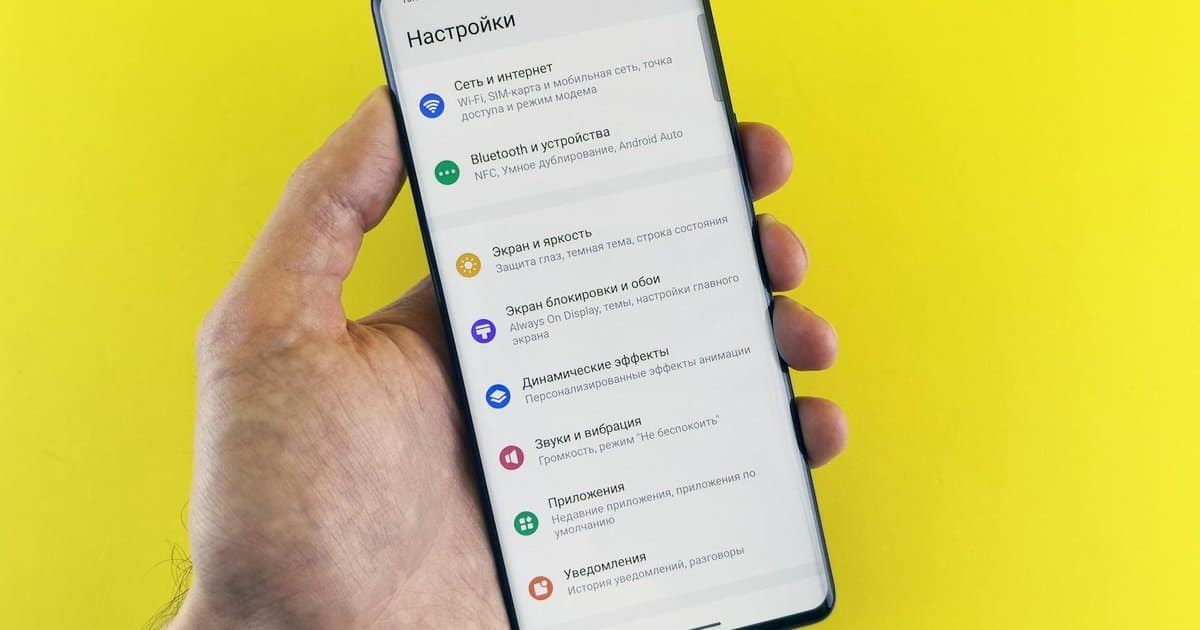
The good news is that you hold more control than the setup screen suggests. Both major phone systems let you review every permission an app has and turn off the ones that do not fit. You can set location to only while using the app rather than always, which closes the background tracking door without breaking the feature. You can deny contacts, microphone, and camera access to anything that has no honest reason to need them, and most apps will keep working fine. Spending twenty minutes in your privacy settings once a season will undo a surprising amount of quiet data collection.
There is also a simple habit that protects you before you ever install anything. When an app asks for a permission, pause and ask whether the request matches what the app is supposed to do. A photo editor needing your photos makes sense. A weather app needing your contacts does not. If the mismatch is large and the app refuses to function without the unnecessary access, that refusal is information, and the right move is often to find a different app. The choices you make in those first few seconds shape how much of your life the software gets to see.
None of this requires becoming an expert or living in fear of your phone. It requires treating permission requests as the meaningful decisions they are rather than obstacles to tap past. The companies asking are betting that you will not slow down, because friction is the only thing standing between them and your data. Slowing down, reading the request, and saying no when it does not add up costs you almost nothing and protects something you cannot easily get back. Free is rarely free. It just moves the bill somewhere you were not looking.