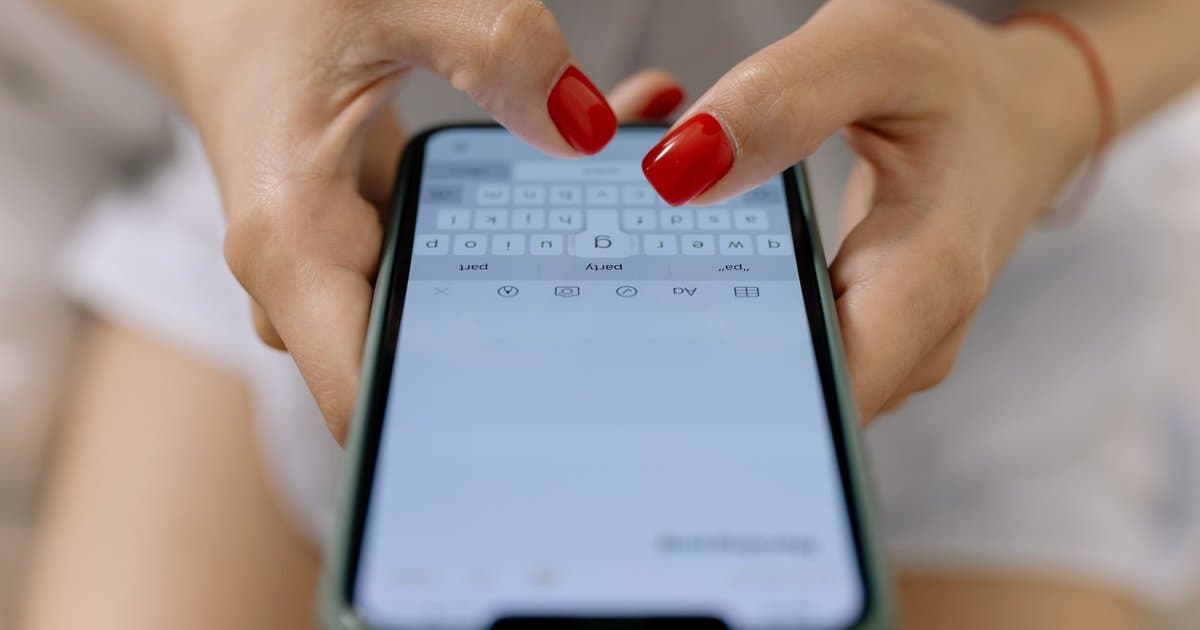
You turned on two factor authentication and told yourself your accounts are finally safe. The codes come by text, you type them in, and it feels locked down. Here is the uncomfortable part nobody mentions. A text message code is one of the weaker locks you can use, because the phone number it depends on can be stolen without anyone ever touching your phone. The attack is common, it is growing, and it has a name.
It is called a SIM swap. Your phone number does not really live in the little card inside your phone, it lives with your carrier, and it can be moved. A thief contacts your carrier pretending to be you, armed with personal details often bought cheaply from a data breach. They claim they got a new phone and need the number activated on a new SIM card. If the carrier believes the story, your number moves over to their device instead of yours.
The moment that happens, your phone goes silent and theirs lights up. Every call and every text meant for you now arrives on the attacker's device. That includes the security codes you have been relying on to stay safe. They go to your email, click forgot password, and wait for the reset code to land in their hands. From there they can walk into your bank, your email, and anything else guarded only by a code sent over text.
The reason this works is a flaw baked into the idea of using a phone number as identity. Numbers were built to be portable, to follow you between phones and carriers whenever you switch. That convenience is exactly what a thief takes advantage of. On top of that, the aging network that routes text messages has known weaknesses that can let determined attackers intercept them directly. Security agencies have quietly moved away from recommending text codes for these very reasons.
The warning sign is easy to miss, because it looks like an ordinary glitch. Your phone suddenly loses service for no clear reason. No bars, calls will not connect, and texts refuse to send. Most people assume it is a network problem and just wait it out. If your service drops out of nowhere and does not come back, treat it as a possible SIM swap and call your carrier from another phone right away. Minutes genuinely matter once your number is gone.
There are stronger locks available, and the good ones are free. Use an authenticator app, which generates codes right on your device that never travel over the network, so there is nothing for a thief to intercept. For your most important accounts, a physical security key is the strongest option of all, because the login is tied to a piece of hardware a remote attacker cannot copy. Both of these beat text codes by a wide margin. Move your email and your money first.
You can also harden the carrier side, which is where the attack actually happens. Call your provider and add a PIN or a passcode to your account, then ask for a port freeze or a number lock. That makes it much harder for someone to move your number without proving who they are. Stop posting your phone number in public places, and be careful about who you hand it to. The fewer places it sits, the smaller your exposure becomes.
Text codes are still better than nothing, so this is not a reason to turn off two factor entirely. It is a reason to upgrade it where it truly counts. Put your email, your bank, and anything holding money behind an app or a hardware key, and lock down your carrier account today. The goal here is simple to state. Stop letting your phone number be the master key to your entire life, because right now, for far too many people, it quietly is.