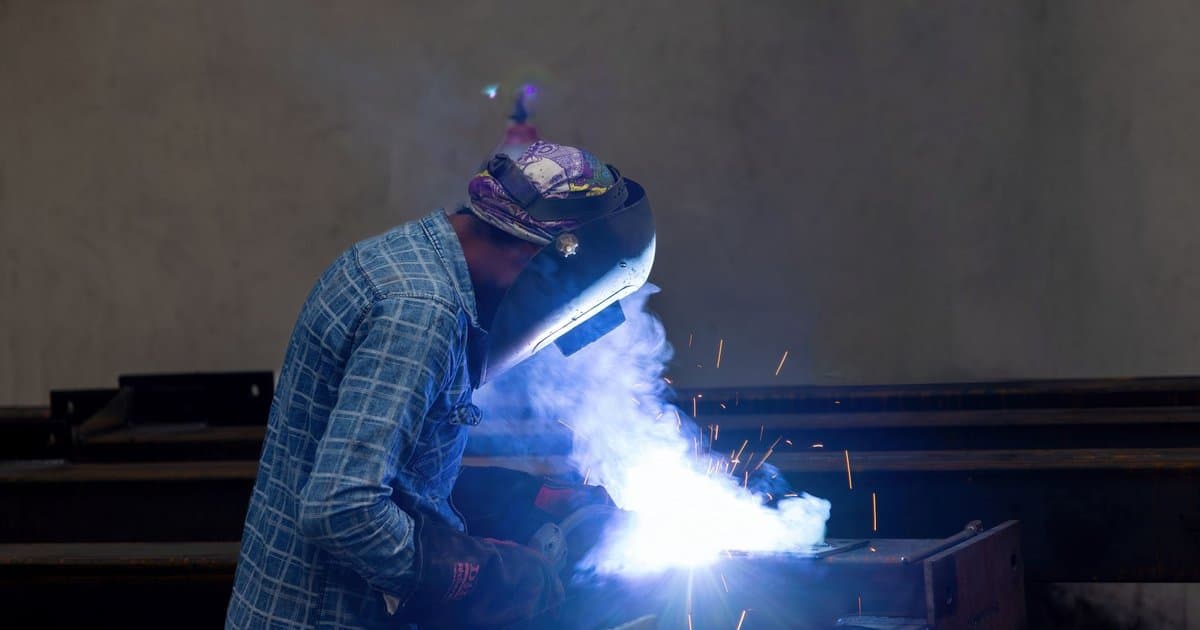
For a long time the message to teenagers was simple and one directional. Finish high school, go to college, get a degree, and the rest will work out. That advice held up for a generation, and many people built good lives on it. Now a growing number of young people are quietly choosing a different path. They are heading into trades like welding, electrical work, plumbing, and HVAC instead of a four year campus. The shift is not about avoiding hard work, and understanding why it is happening matters for any family with a teenager.
The first reason is money, and the math is hard to argue with. A four year degree often comes with tens of thousands of dollars in debt before the first paycheck. A trade program can take months instead of years and costs a fraction of tuition. Many apprenticeships even pay the student while they learn, so they earn instead of borrow. A skilled tradesperson can be making solid money at twenty two while a peer is still paying off loans at thirty. For a teenager watching older siblings struggle with debt, that contrast lands hard.
The second reason is job security, which feels scarce to this generation. Young people have watched waves of layoffs hit office jobs and white collar fields. They have also heard constant talk about software replacing desk work over the coming years. A broken pipe or a dead furnace still needs a human being who knows what they are doing. Those jobs cannot be shipped overseas or handed to a program, at least not anytime soon. That kind of stability looks more appealing than a degree with no guaranteed payoff at the end.
The third reason is a simple desire to work with their hands. Not every teenager is wired for years of lectures and exams. Some learn best by doing, by fixing something real and seeing the result the same day. Trades reward that kind of mind in a way a classroom often does not. There is satisfaction in finishing a job you can point to and say you built that. For a young person who never felt at home in school, that feeling can be the first time work makes sense.
There is also a shift in how the trades are seen, though the old stigma has not fully faded. For years, choosing a trade was framed as the backup plan for students who could not cut it academically. That framing was always unfair and is finally starting to crack. Skilled trades require real intelligence, problem solving, and years of mastery to do well. Social media has helped, with tradespeople showing their work and their paychecks to large audiences. Younger viewers are seeing respected careers where they once saw a consolation prize.
It helps to look at the numbers behind the trend rather than the headlines. Skilled trades face a wave of retirements as older workers leave the field. That means steady demand for younger people willing to learn the work. Wages in many trades have risen as companies compete for fewer qualified hands. A teenager entering an apprenticeship today is stepping into a field that genuinely needs them. That kind of demand is rare, and it is worth paying attention to when planning a future.
There is also the question of what a young person actually wants from a career. Some dream of an office, a desk, and the kind of work a degree opens up. Others want to move, build, and solve concrete problems with real tools in their hands. Neither desire is better than the other, and forcing one onto the wrong person helps no one. The old script assumed everyone wanted the same thing and judged those who did not. A better approach starts with the individual and asks what kind of work would actually fit them.
Parents play a larger role in this decision than they sometimes realize. A teenager who senses disappointment about skipping college may choose it anyway, against their own grain. The opposite is also true, where a young person feels pushed into a trade they have no interest in. Neither pressure serves the child, and both tend to breed resentment down the road. The most useful thing a parent can offer is honest information and room to choose. Support the decision that fits the young person in front of you, not the one that sounds best to relatives.
None of this means college is the wrong choice for everyone. Many careers still require a degree, and for the right student it remains a strong path. The point is that it is no longer the only respectable option, and pretending otherwise does teenagers a disservice. The best thing a parent can do is help a young person look honestly at the cost, the timeline, and the work itself. Some will thrive on a campus, and others will thrive on a job site. Both can build a stable life, and both deserve to be treated as a real choice.