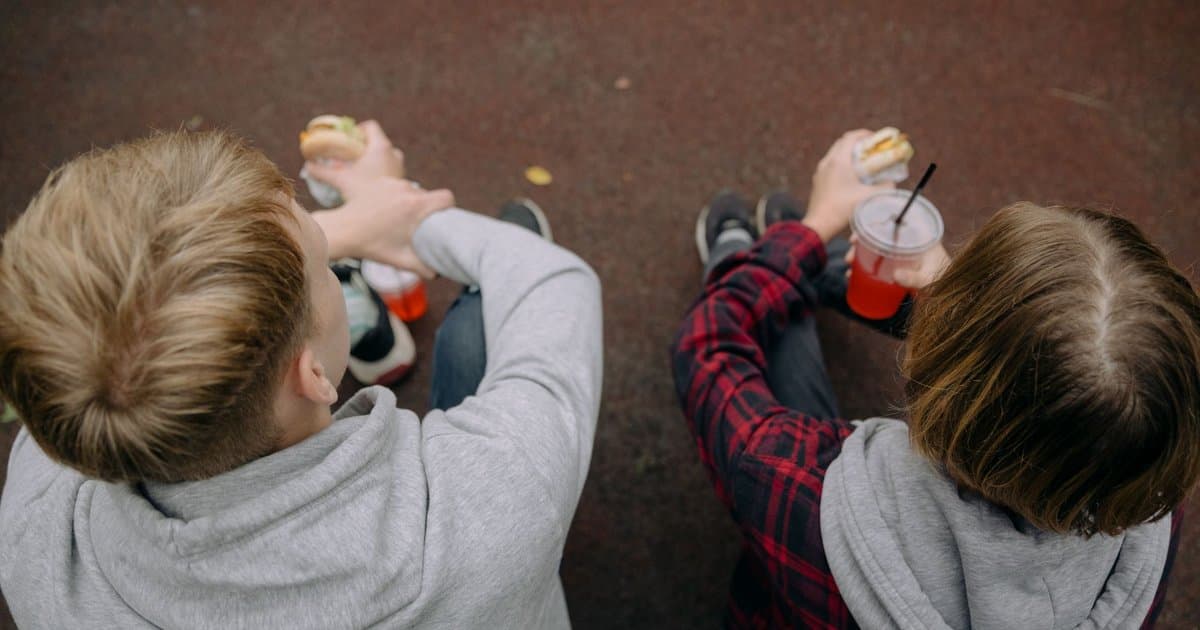
Picture a teenager and you probably picture some kind of risk. Sneaking a drink, a party that gets out of hand, a red cup in a basement. That image is burned into movies, ads, and the way adults talk about kids. The strange thing is that the numbers now point the other way. Teen drinking has been falling for decades, and the drop is not a small one. Fewer high school students drink today than at almost any point on record. The story of the wild, boozy teenager is badly out of date.
Look at the long trend and the shift is hard to miss. Around 1980, roughly two out of three high school seniors said they had a drink in the past month. In recent years that figure has fallen to about one in four. Binge drinking among teens dropped in the same steep way over that time. The share who have never tried alcohol at all keeps climbing higher. These come from large national surveys that have tracked students the same way for decades.
Alcohol is not the only teenage habit heading down. Teen smoking has all but collapsed from where it once stood. Fewer teens are having sex early compared with past decades. Fewer are riding in cars without wearing a seatbelt. Even the age when kids get a driver license has crept later and later. A lot of the classic markers of teenage risk have been sliding down together.
So what changed here? No single reason explains all of it, but a few stand out clearly. Social life moved onto phones and screens, which means far less time hanging out unsupervised. The old path to trouble often ran through a friend with a car and an empty house. That path is much smaller when everyone is texting from their own bedroom. Parents also watch more closely now and stay in contact through the whole day. Laws got stricter too, with tougher licensing steps and harder rules on buying alcohol.
Money and health play a real part as well. Teens have less spare cash than the myth suggests, and alcohol costs money. Health messaging has landed, and more young people see drinking as uncool or not worth it. A sober-curious streak now runs plainly through the wider culture. Some of them watched older siblings or parents struggle and chose to skip it. The reasons stack on top of each other rather than pointing to one clean cause.
None of this means the kids are perfectly fine. Anxiety and reported sadness among teens have climbed over the same years. Screen time brings its own set of problems that alcohol never did. Vaping stepped in and replaced some of the cigarettes that disappeared. In some cases one habit simply traded places with another one. So the honest picture is a mix, not a clean and total win.
Still, the drinking trend is real and worth sitting with. A parent picturing the same wild parties they remember is working from an old map. The pressure many teens feel today looks nothing like a keg in a dark field. It shows up more as grades, screens, and worry about the future. Aiming all the fear at alcohol can miss where kids actually struggle most. The threats moved, and the worry should really move along with them.
There is something quietly hopeful buried in these charts. A whole generation walked back one of the oldest teenage risks on record. They did it without much credit and against a stereotype that refuses to die. It is a reminder that young people are not doomed to repeat every pattern. When the world around them changes, their choices tend to change too. The next time someone says kids today are worse, the numbers are ready to argue back.