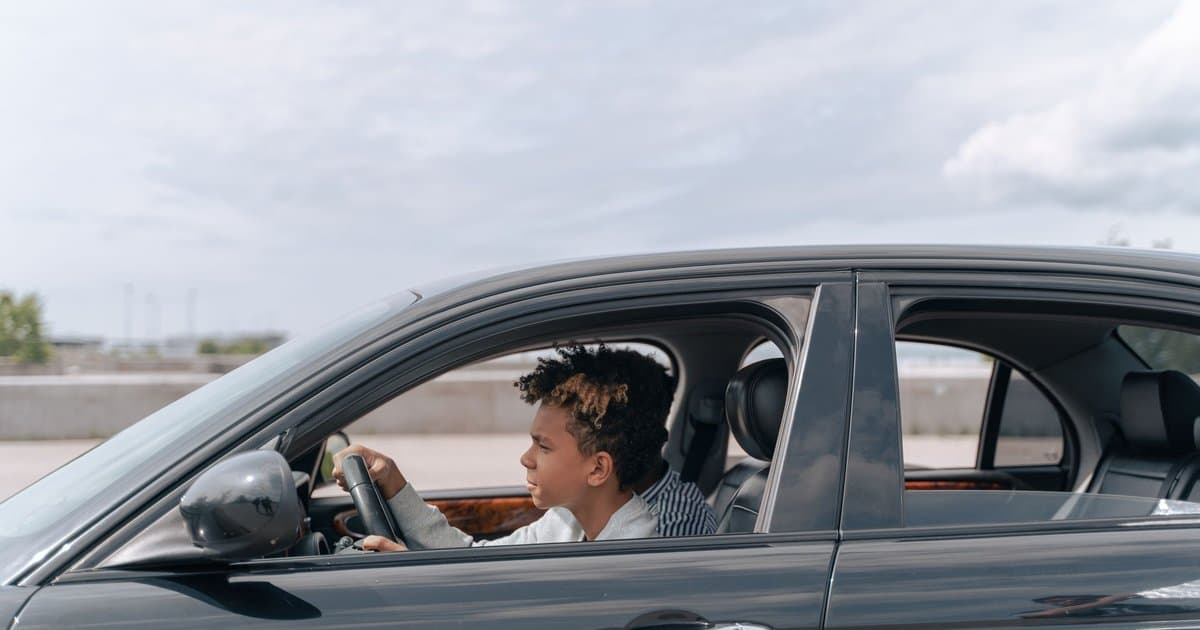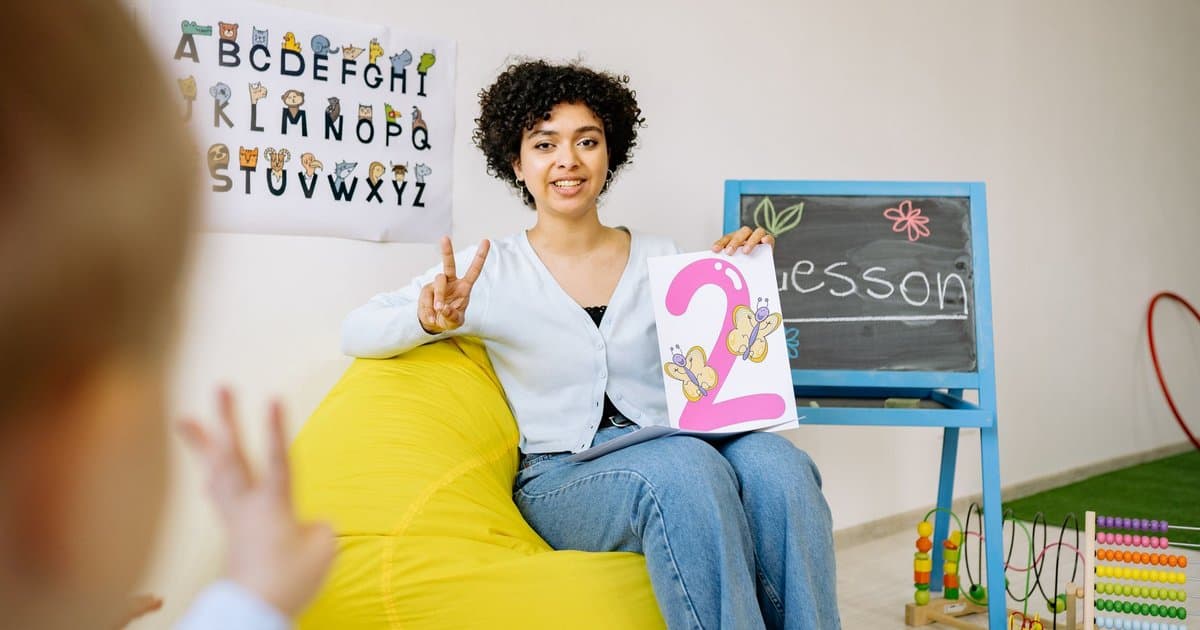
Drop a young child into a brand new country and something strange happens. Within a year, they often speak the local language like they were born there. The adult who moved with them can study hard for years and still sound like a guest. This gap is real, and it puzzles many parents who work far harder than their kids do. The child is not smarter than the adult in any general sense. The child's brain is simply built for a task the adult's brain has mostly moved past. That timing makes all the difference.
Scientists call the early years a sensitive period for language. During this window, the young brain treats sound and grammar as core survival skills. It soaks up patterns without ever being taught the rules on paper. A baby can hear the fine difference between sounds from every language on earth. By the first birthday, the brain starts to keep the sounds it hears often and let the rest fade. This is one reason some sounds feel almost impossible to say later in life. The ear stops noticing what it no longer needs.
The young brain is also far more flexible than the adult one. It builds and trims its connections at a speed that slows down steadily with age. New links form fast when a child hears the same word over and over. The brain is still deciding how to wire itself, so it bends to fit whatever it needs. An adult brain is more settled and more efficient, which helps with most daily tasks. That same order makes it slower to rebuild the deep habits of speech. Efficiency and flexibility pull against each other.
There is a second reason, and it has nothing to do with wiring. Children are simply not afraid to sound wrong. They guess, they mess up, and they try again without a trace of shame. A four year old will use a new word fifty times a day and laugh off the misses. Adults freeze because they fear looking foolish in front of other people. That fear quietly cuts the practice that the brain needs to lock a language in place. The child wins in part because the child is willing to fail out loud.
The way kids learn also differs from a classroom. They live inside the language all day, tied to food, play, and family. Every word is linked to a real need or a real object right in front of them. They do not translate in their heads, they just connect the sound to the meaning. This full soaking is far stronger than a single lesson once a week. The brain treats a language it hears all day long as something worth keeping. Meaning sticks best when it is lived, not memorized.
None of this means an adult cannot learn a new language. It means adults have to go about it in a different way. They can lean on the skills they already have, like reading and clear study of rules. They gain the most when they copy what children do, which is speak often and fear less. Daily use will beat long study sessions spread far apart. The goal is not to sound like a native but to be understood and to keep going. Progress comes from reps, not from waiting to feel ready.
For young people, this window is a gift that does not stay open forever. A child who hears two languages at home grows up with both for free. That second language can shape how they think, work, and connect for the rest of their life. Skill in another tongue opens doors in school and in the job market down the road. Families who speak more than one language pass down more than a set of words. They pass down a way to move through a much wider world. That head start is hard to buy later.
So the next time a child picks up phrases faster than you can, do not feel beaten. Their brain is doing exactly what it was made to do at that age. Yours is doing something else that is just as useful in its own right. The best move is to give kids sound, play, and chances to speak while the window is wide open. Talk to them, read to them, and let them hear more than one voice at home. What they take in now will stay with them far longer than you might guess. The early years are the cheapest time to build this skill.