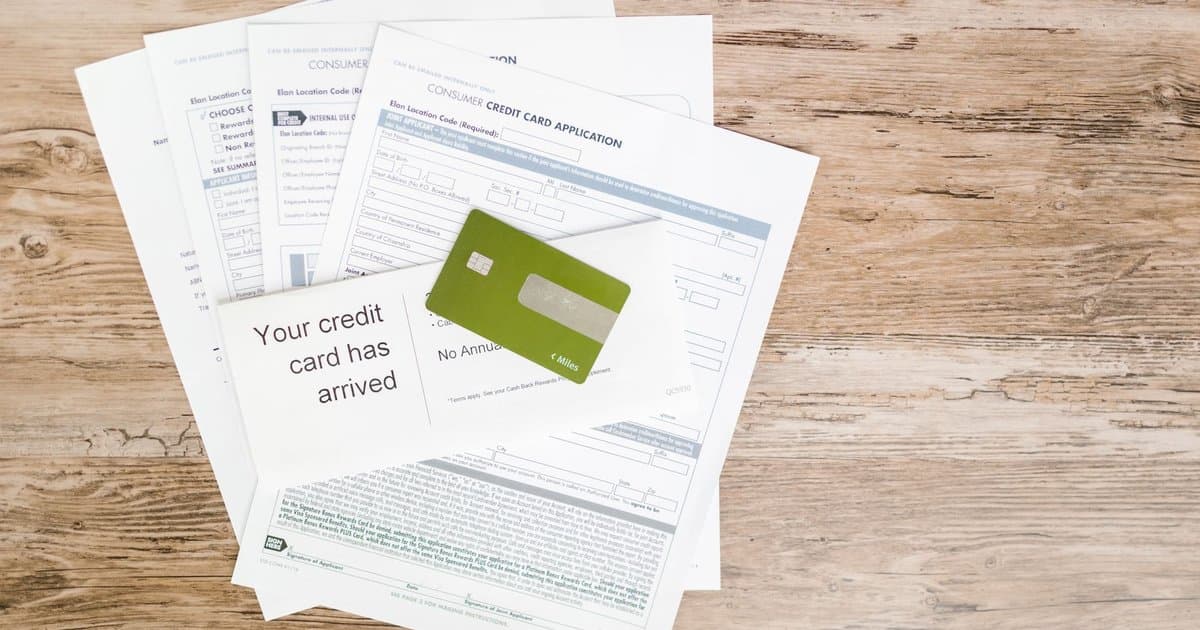
There is a version of financial advice that sounds responsible and quietly sets young people back. Avoid credit cards, pay cash for everything, never borrow. The debt avoidance part is sound. The problem is that the system judging you does not reward the absence of debt, it rewards a documented history of handling it. A person who has never borrowed and a person who has borrowed badly can both end up unable to get approved, for opposite reasons. The Consumer Financial Protection Bureau has estimated tens of millions of American adults are credit invisible, meaning no file at all with the nationwide bureaus, with millions more holding files too thin or stale to score. Those rates run highest among young adults, low income neighborhoods, and Black and Hispanic consumers.
The first bill usually arrives at an apartment. Landlords and property management companies pull credit as a standard part of screening, and a blank file often gets treated the same as a bad one. The common outcome is not a flat rejection, it is a condition. You will be asked for a larger security deposit, sometimes double, or for a cosigner, or for several months of rent paid up front. On a fifteen hundred dollar apartment that can mean finding an extra fifteen hundred to three thousand dollars at exactly the moment you have the least. The applicant with a modest but established file walks in with one deposit and moves in.
The second bill shows up in interest rates, and this is where the numbers get large. Auto lending is tiered by credit score, and the spread between the top tier and the bottom is not small. A borrower with strong credit might finance a used car in the mid single digits while a borrower with no score is quoted something in the high teens or low twenties. Run that across a five year loan on a twenty thousand dollar car and the difference in total interest can exceed six or seven thousand dollars for the identical vehicle. Nothing about the car changed. The only variable was whether a lender had a record of how you handle obligations.
The third set of costs is scattered and easy to miss because each piece looks small. Utility companies and cell carriers often check credit and require deposits when there is no file. In most states, insurers use credit based insurance scores as a factor in setting auto and renters premiums, which means a thin file can quietly raise a bill that has nothing to do with driving. Some employers run credit checks for roles involving money or security clearances, subject to state law and your permission. Individually these are a hundred dollars here and thirty a month there. Together they form a steady tax on being unknown to the system.
The mechanics of building a file are less dramatic than people expect. A secured credit card requires a deposit that becomes your limit, reports to all three bureaus, and functions as a normal card. Becoming an authorized user on a relative's long standing account can import that history onto your file without you ever touching the card. Credit builder loans, offered by many credit unions, hold the borrowed amount in a locked savings account while you pay, so you build history and savings at once. Several services now report rent and utility payments you are already making. Each of these creates the record that did not exist.
Two numbers make the timeline concrete. The most widely used scoring model generally needs about six months of activity on at least one account before it can produce a score, and the account has to have been reported recently. A competing model can often score a file with roughly a month of history. So the gap between invisible and scoreable is measured in months, not years, which means someone starting today is in a different position by the time a lease renews or a car becomes necessary. Starting at twenty two rather than twenty six also means the age of your oldest account, which carries real weight in scoring, is four years longer forever. That head start cannot be bought back later.
The behavior that builds the file is narrower than most people think. Use one card for a small recurring charge, a streaming subscription or a tank of gas, and pay the statement balance in full every month. Never carry a balance, because carrying one builds nothing and costs interest. Keep the reported balance under roughly thirty percent of the limit, and lower is better. Do not close your first account once you open better ones, since its age is part of what you are building. That is the whole practice. The goal is not to borrow money, it is to create a documented record of reliability so the system stops charging you for never having met you.