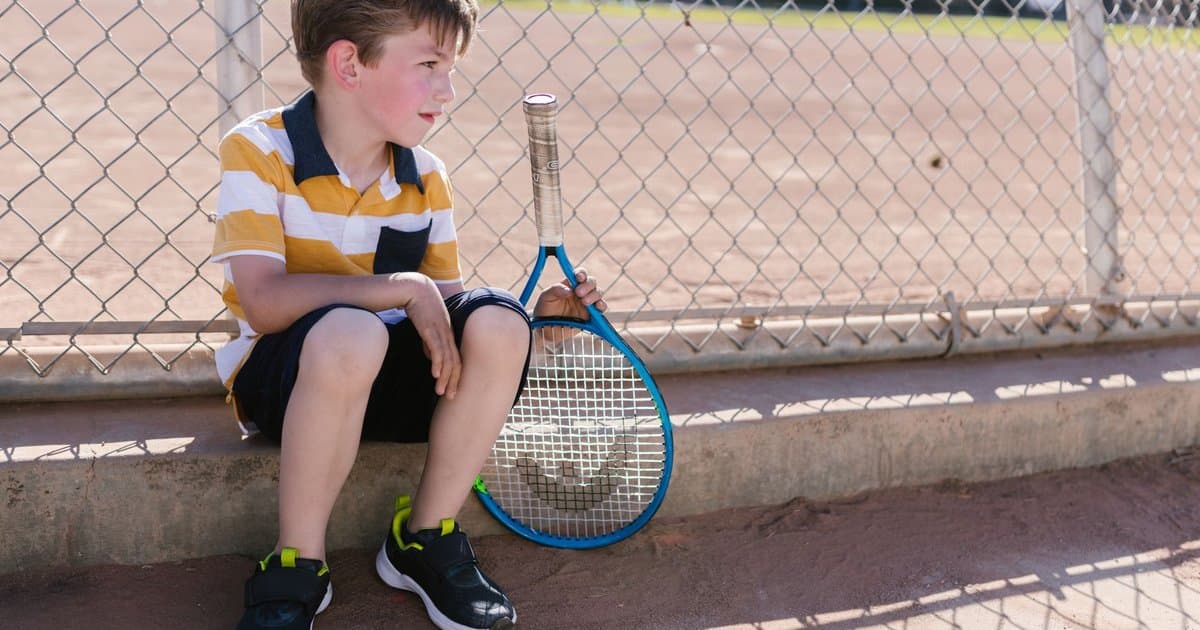
Somewhere around the age of thirteen, most kids walk away from organized sports for good. The exact figure gets cited again and again by youth sports researchers, and it lands near seventy percent. Think for a second about what that really means. The majority of children who sign up to play something drop out right as they reach their teens. It happens across almost every sport and in nearly every kind of town. Parents often assume their own child simply lost interest and moved on. The pattern is far too common for that, and the reasons behind it are surprisingly consistent.
When you ask kids directly why they quit, the top answer is not what adults expect. It is not talent, and it is not a busy schedule. It is that the sport stopped being fun. To a child, fun means playing in the actual game, goofing around with teammates, and feeling free to try and fail. It does not mean drills that stretch for hours or a coach shouting about a scoreboard. Researchers who survey young athletes find that winning ranks surprisingly low on the list of what kids want. Somewhere along the way, the adults in the room often forget that entirely.
A big driver is early specialization. Not long ago, a kid played soccer in the fall, basketball in the winter, and baseball in the spring. Now children are pushed to pick one sport young and train for it all year long. The pitch is that early focus builds elite skill and a shot at a scholarship down the road. The research tends to point the other way. Kids who specialize too early face higher rates of overuse injuries and burnout, and many multi sport athletes actually develop better over time. Playing one thing every month of the year turns a game into a grind, and grinds wear kids down.
Pressure is the next weight on the pile. Youth leagues that once welcomed everyone now hold tryouts, make cuts, and sort children into tiers by age nine or ten. A kid who does not make the top team gets a clear message that they are already behind. Those who do make it often face a win at all costs culture that leaves little room to simply improve. Being told you are not good enough, over and over, is not fun for anyone at any age. So the child who might have grown into the sport with a few more years quietly steps away instead. The talent pool shrinks right when it should be widening.
Money quietly pushes a lot of families out of the picture. Recreational leagues used to be cheap, but the fast growing world of travel and club teams is anything but. Registration fees, gear, private coaching, hotels, and gas add up to real financial strain. Studies show that kids from lower income homes drop out of sports at higher rates, and cost is a leading reason why. The children who need the health and friendship of a team the most are often the first ones priced off the field. A sport that started as a public good has drifted toward a paid membership. That shift leaves a lot of talent and a lot of joy sitting on the sidelines.
Then there is the simple problem of playing time. Plenty of kids quit because they spend the whole season on the bench watching everyone else play. A young athlete who barely touches the field has little reason to keep showing up week after week. Coaches focused on winning tend to ride their best players and rest the rest. From a scoreboard view that makes sense, but from a child's view it feels like being invisible. Kids do not join a team to watch from a folding chair. They join to play, and when the playing stops, the interest usually goes with it.
The behavior of adults on the sideline matters far more than most of them realize. Kids notice the yelling, the arguments with referees, and the heavy tension in the car afterward. Surveys of young athletes point to the ride home as one of the most dreaded parts of the entire experience. A parent replaying every mistake turns a game into a review session nobody asked for. Coaches who lead with fear rather than encouragement drain the fun just as quickly. Children can handle losing far better than adults tend to assume. What they struggle with is feeling that the people they love are disappointed in them.
So what actually keeps a kid in the game? The answer tracks closely with why they leave in the first place. Let them play more than one sport for as long as possible. Keep the focus on effort and friendship rather than a distant scholarship that very few will ever earn. Give them real playing time and let the game stay a little messy and joyful. Adults who protect the fun tend to raise kids who stay active for life, which is the real prize hiding behind all of this. The goal was never to manufacture a professional. It was to give a child something they want to keep doing long after the trophies stop.