For most of the last twenty years, young people heard one path to a good life repeated everywhere. Get good grades, go to a four year college, get a degree, and the rest will sort itself out. The trades, meanwhile, got treated as a fallback, the thing you did if the real plan did not work. That message was delivered by guidance counselors, by parents, and by a culture that quietly ranked a cubicle above a job site. The stakes of that message are now showing up in ways that are hard to ignore. A generation steered away from skilled work is discovering what got lost in the steering, and the bill is arriving for everyone.
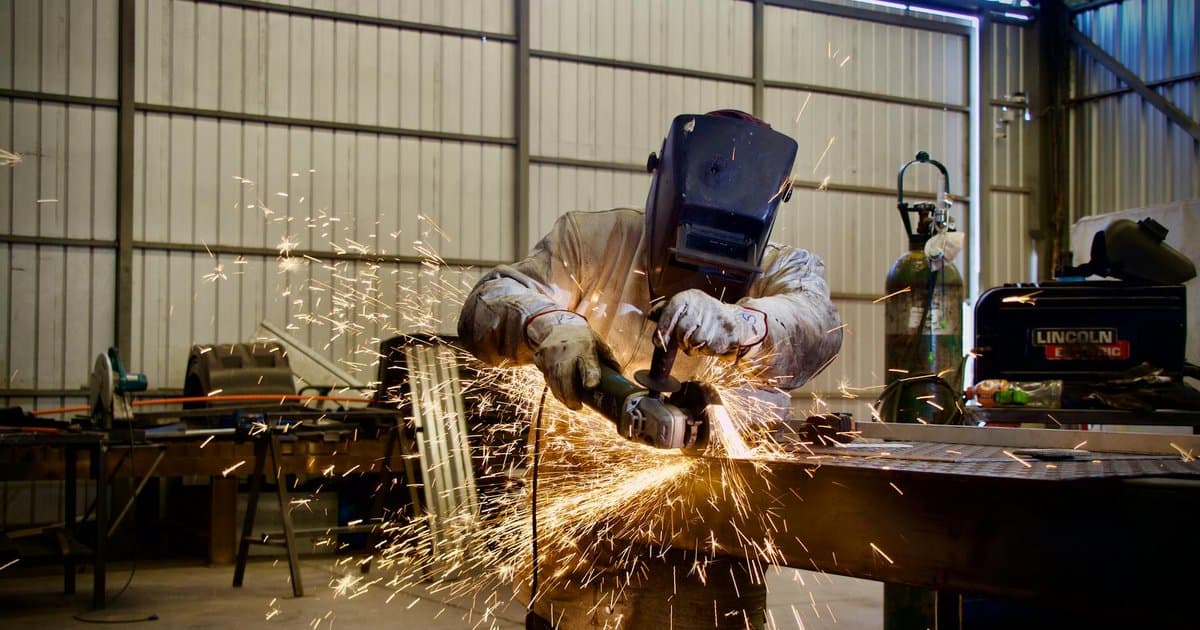
Start with the simple economics, because they undercut the whole assumption. Skilled trades like electrical work, plumbing, welding, and HVAC pay well, and they pay early. An apprentice often earns a real wage while learning, with no tuition debt stacking up in the background. Meanwhile a large share of young graduates carry loans for years against degrees that did not lead to the jobs they were promised. The story that college always pays and trades never do was never accurate, yet a whole cohort planned their lives around it. Many of them are now retraining into the exact fields they were told to avoid, only later and with more debt.
There is a labor shortage hiding inside this too, and it affects far more than the people who skipped the work. The skilled trades are aging out faster than they are being replaced, with experienced workers retiring and too few young people stepping in behind them. That gap is why it can take weeks to get an electrician, why home repairs cost more every year, and why major projects stall for lack of hands. When a society stops valuing a kind of work, it does not stop needing that work, it just makes it scarcer and more expensive. Everyone pays for that shortage, in higher bills and longer waits, not only the young people who were waved off.
The losses are not only financial, which is the part that gets missed most. There is a particular satisfaction in building or fixing something real, in seeing the result of your hands at the end of the day. Trade work offers autonomy, problem solving, and a path to running your own business that office work often does not. It cannot be shipped overseas or handed to software the way many desk jobs increasingly can. A young person who never even considers it loses access to a stable, meaningful kind of work, simply because the option was framed as a consolation prize. That framing did real harm to real people who would have thrived.
None of this is an argument against college. It is an argument against pretending there is only one respectable road. The healthiest message for a young person is that good work comes in many shapes, and the right path depends on the person, not on a ranking. A teenager who likes solving physical problems, who would rather move than sit, who wants to earn while learning, should hear about apprenticeships with the same enthusiasm as university. Schools that bring back real exposure to the trades give students a fuller map of their choices. A fuller map leads to fewer people stuck on a road that never fit them.
Part of what makes this hard to fix is how deep the bias runs. For a long time, a parent could feel a quiet sense of pride telling friends their kid was headed to a university, and a quiet worry admitting the kid wanted to weld or wire houses instead. That instinct did not come from the kids, it came from the adults around them, and it got passed down without much thought. Guidance counselors were often measured by college acceptance rates, which gave them every reason to point students one way. The result was a system that nudged even hands on, mechanically gifted kids toward desks they never wanted. Undoing that means changing the story the adults tell first, long before a teenager ever has to choose. Kids tend to value what the grownups in their life clearly respect.
The stakes here are bigger than any one career decision. We are talking about whether a generation gets an honest picture of how to build a life, and whether the work that keeps cities running has anyone left to do it. Telling young people the trades are beneath them was a quiet mistake with a loud cost. Fixing it starts with how we talk to a sixteen year old who is good with their hands and unsure what comes next. Tell that kid the truth. The trades are not a backup plan, they are a real one, and the country needs them to take it seriously.