Ask a parent about mornings with a teenager and you will hear the same story. The kid who could not be kept in bed at seven years old now cannot be pried out of it at seven in the morning. Alarms get slept through, breakfast gets skipped, and the whole house runs on tension before school. It is easy to read this as laziness or defiance, a phase of bad habits that needs more discipline. But the science points somewhere else entirely. The teenage struggle to wake up early is largely biological, and understanding it changes how you respond to it.
During puberty, the body's internal clock shifts later. The brain releases melatonin, the hormone that signals sleep, roughly two hours later than it does in children and adults. That means a teenager told to be asleep by nine or ten simply is not tired yet, no matter how early they got up. Their body is not ready for sleep until closer to eleven, and it wants to stay asleep well past dawn to finish the night. This is not a story teenagers invented to justify sleeping in. The same phase delay shows up across different countries and cultures, and even in other young mammals, which tells you it is wired in rather than learned.
The delay would not matter so much if teenagers did not still need a lot of sleep. Adolescents need somewhere between eight and ten hours a night, close to what they needed as younger children. Now put those two facts together and watch the math work against them. If the body will not fall asleep until eleven, and it needs nine hours, the natural wake up time lands around eight in the morning. Then compare that to a school day that often starts before eight, requiring a wake up at six or six thirty. The result is a teenager running on six hours of sleep during the exact years their brain and body need the most.
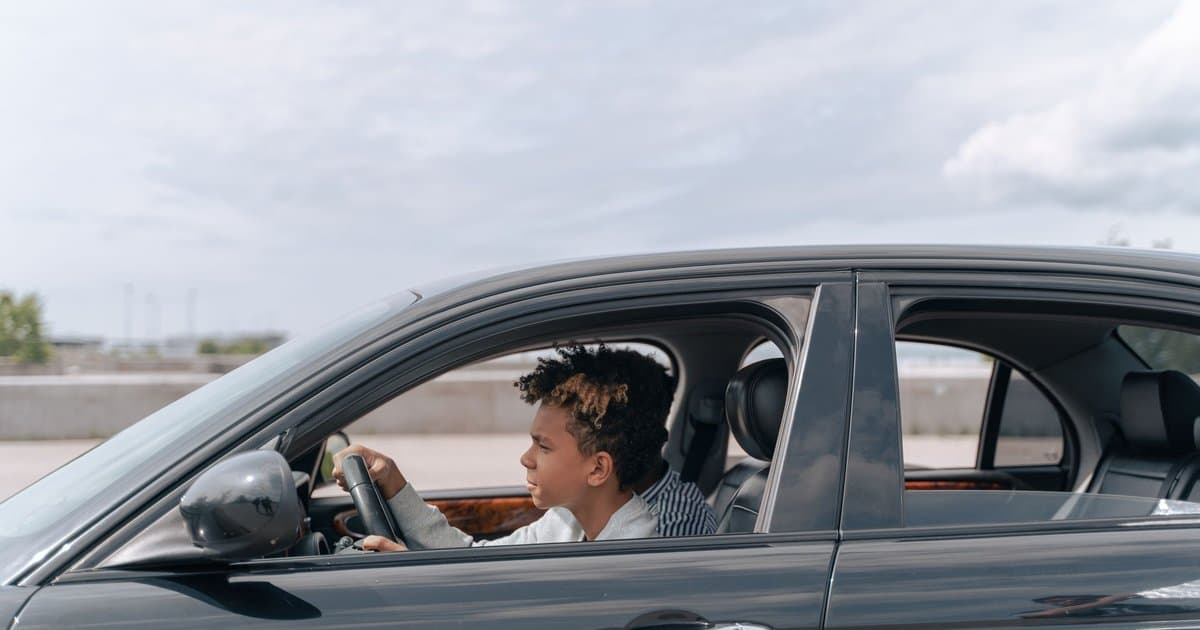
Chronic short sleep in teenagers is not a minor inconvenience. It shows up in mood first, as irritability, anxiety, and a shorter fuse, which families feel every morning. It shows up in the classroom as trouble focusing, weaker memory, and lower grades, because the sleeping brain is where the day's learning gets locked in. Sleep loss is tied to higher rates of depression in adolescents, and drowsy driving raises the crash risk for the youngest, least experienced drivers on the road. The teenager who seems checked out or emotional is often just exhausted. Behavior that looks like an attitude problem is frequently a sleep problem wearing a disguise.
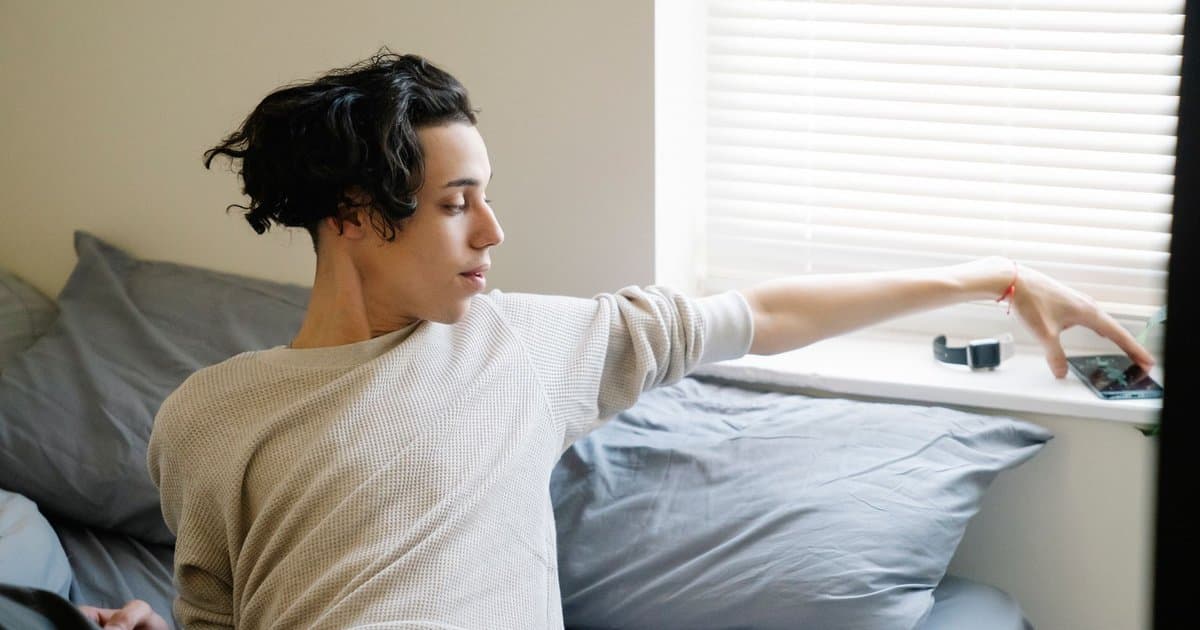
Biology sets the stage, and modern life makes it worse. Phones and laptops in bed push bedtimes even later, both through the content that keeps the mind spinning and the light that suppresses melatonin already running behind schedule. Homework loads, jobs, and evening activities stack up after dinner, eating into the only hours the teenage body is willing to sleep. On weekends teens sleep until noon to pay back the debt, which swings their clock even later and makes Monday brutal. This hits some families harder than others, since parents working early shifts cannot always shuttle a later schedule, and schools serving working communities are often the least able to push start times back. The strain falls on students, on parents, and on schools all at once.
There are real ways to help, even if you cannot rewrite your teenager's biology. Protecting the hour before bed from screens does more than most parents expect, since it removes both the stimulation and the light. Keeping a consistent schedule, including on weekends, stops the clock from drifting further out. Morning sunlight helps anchor the body clock a little earlier over time. The bigger lever, though, is the school start time itself, which is why major pediatric groups recommend that middle and high schools begin no earlier than eight thirty. When you stop treating a tired teenager as a lazy one, you can finally address what is actually going on, which is a young body fighting a schedule built for someone else's clock.