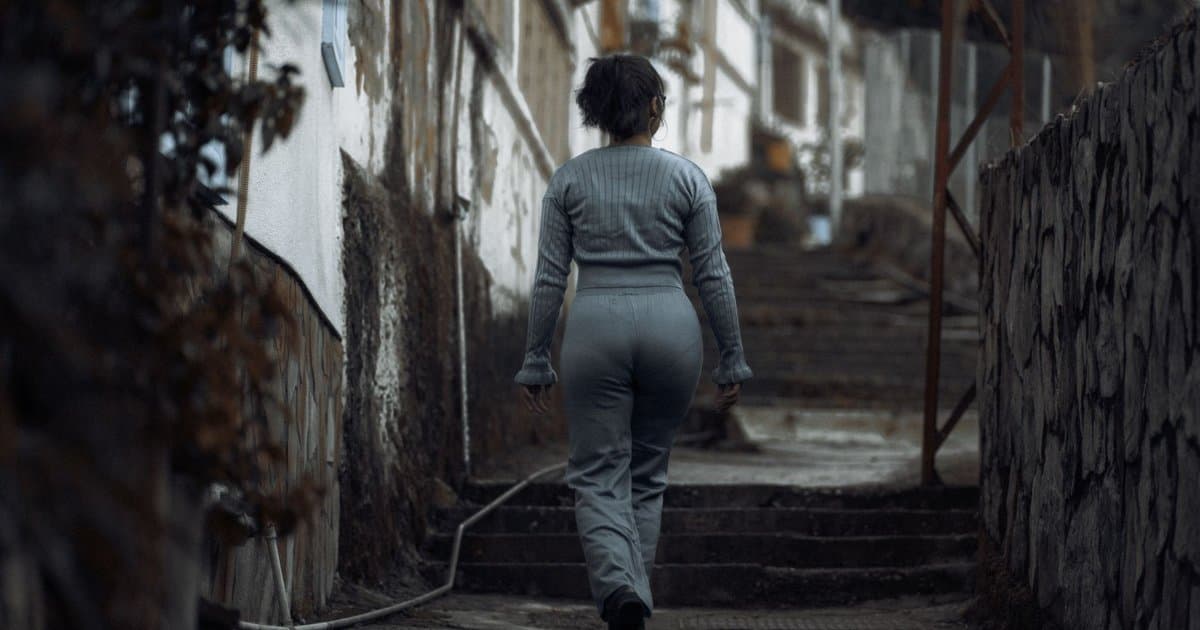
There is a specific kind of paralysis that hits in your twenties. Someone asks where you want to live, what career you are chasing, whether this relationship is the one, and your mind just locks. It is not that you are lazy or afraid of everything. It is that these decisions feel enormous and permanent in a way they somehow did not a few years earlier, and choosing one path means shutting a hundred others. If you have felt frozen in front of choices that should be exciting, there are real reasons for it, and none of them mean something is broken in you.
The first reason is that your twenties are the first time the decisions are actually yours and actually stick. For most of your life the big calls were made for you or came with rails, from the school you attended to the classes you took to the timeline everyone moved along together. Now the rails are gone. Nobody hands you the next step, the timeline is invisible, and the consequences land on you alone. That is a genuine shift in the weight of a choice, not a failure of nerve, and it takes time to build the muscle for carrying it. You are not bad at deciding. You are new at deciding.
The second reason is that you are drowning in options, and more options make choosing harder, not easier. Past generations often had a narrower set of realistic paths, which was limiting but also strangely freeing, because a short menu is quick to read. You can move almost anywhere, work in fields that did not exist a decade ago, and see the curated lives of thousands of people who chose differently than you. Every additional option raises the pressure to pick the best one and deepens the fear that you are missing something better just out of frame. Abundance sounds like freedom, but past a point it mostly produces doubt.
The third reason is that you are comparing your messy inside to everyone else's polished outside. Your feed is a highlight reel of engagements, promotions, new cities, and launched businesses, arriving all day with no context about the struggle behind any of it. It creates the illusion that your peers have it figured out while you are still circling, when in reality most of them are just as unsure and simply not posting the confusion. That gap between what you feel and what you see convinces you that hesitation is a personal defect, when it is close to universal. Almost everyone your age is quietly wondering if they are behind everyone else.
The fourth reason is a belief that quietly makes all of this worse, the idea that a wrong choice will ruin everything. Big decisions feel terrifying when you treat them as final and irreversible, as if picking the wrong city or job seals your whole life shut. Very few choices in your twenties actually work that way. You can move again, change careers, end a relationship, or start over in a new field, and people do all of it constantly and turn out fine. Most decisions are doors you can walk back through, not cliffs you jump off, and seeing them accurately drains a lot of the fear that keeps you stuck at the threshold.
So what do you actually do with all of this. You start by making decisions reversible wherever you can, testing a city with a lease instead of a mortgage or a field with a side project instead of a full leap, which lowers the stakes enough to actually move. You get honest that not choosing is itself a choice, one that hands your twenties over to drift while you wait for a certainty that never arrives. And you trade the fantasy of the single perfect path for a good enough next step you can adjust as you learn. Motion creates information that thinking never will.
The goal of your twenties is not to pick correctly on the first try. It is to start moving, gather real information that a feed can never give you, and trust that you are allowed to change your mind as you go. The people who look like they figured it out early mostly just started moving early, made plenty of wrong turns, and corrected along the way while everyone else was still deliberating. You do not need the perfect answer. You need a direction, a willingness to adjust, and the patience to let your actual life teach you what no amount of staring at the options ever could. You will get some of it wrong, and that is not the failure. The failure is standing still so long that the choice gets made for you by default. Pick a door, walk through it, and keep your hand on the knob.