Cardio has a clean reputation, and most of it is earned. It strengthens your heart, improves your endurance, helps manage weight, and lifts your mood in ways that are hard to argue with. The problem is not that people do cardio, it is that many people do only cardio and skip everything else. When your entire routine is running, cycling, or the elliptical, you are training one system well and leaving another to weaken. That other system, your muscle and bone, is the one that quietly determines how strong and independent you stay as the years pass. The risk is not something you feel next week, it is something you notice a decade from now when the work you skipped starts to matter.
Starting sometime in your thirties, your body begins losing muscle mass on its own, a process that speeds up if nothing pushes back against it. Cardio does very little to stop this, because steady running or cycling does not ask your muscles to grow, it asks them to keep going. Strength training is the signal that tells your body to hold onto muscle and build more, and without that signal, the decline continues year after year. Losing muscle is not just about looking softer, it is about losing the power to carry groceries, climb stairs, and catch yourself when you trip. This gradual loss has a medical name, and it is one of the main reasons older adults lose their independence. The muscle you protect in your forties is the muscle you get to use in your seventies.
Your bones respond to stress in much the same way your muscles do. When you lift something heavy or load your skeleton with resistance, your bones react by getting denser and stronger over time. Most cardio, especially low impact cardio like cycling and swimming, does not place that kind of demand on your bones. Without resistance work, bone density slowly declines, which sets the stage for fractures later in life that can be genuinely dangerous. A broken hip in your seventies is not a minor event, it can start a chain of complications that changes everything. Weight bearing and resistance exercise is one of the few things proven to keep bones strong as you age.
Muscle does more than move you around, it also shapes how your body handles food and energy. Muscle tissue burns more energy at rest than fat does, so having more of it makes your metabolism a little more forgiving. Muscle also acts like a storage tank for blood sugar, pulling glucose out of your bloodstream and helping keep it steady. When you carry less muscle, your body has a harder time managing blood sugar, which over years can raise your risk of serious metabolic problems. Cardio helps here too, but strength training adds a layer of protection that endurance work alone does not provide. The two together do far more for your long term health than either one on its own.
There is a daily quality of life angle that gets overlooked. Strength training improves your balance, your coordination, and the stability of your joints, all of which protect you from the falls that become more common with age. A body that only runs can be surprisingly fragile when asked to lift, twist, or brace against something unexpected. Strong muscles support your knees, your hips, and your lower back, reducing the aches that many people assume are just part of getting older. Adding strength work often makes your cardio better too, because stronger legs and a stronger core improve your running form and your staying power. Training only one way leaves gaps that the other way was built to fill.
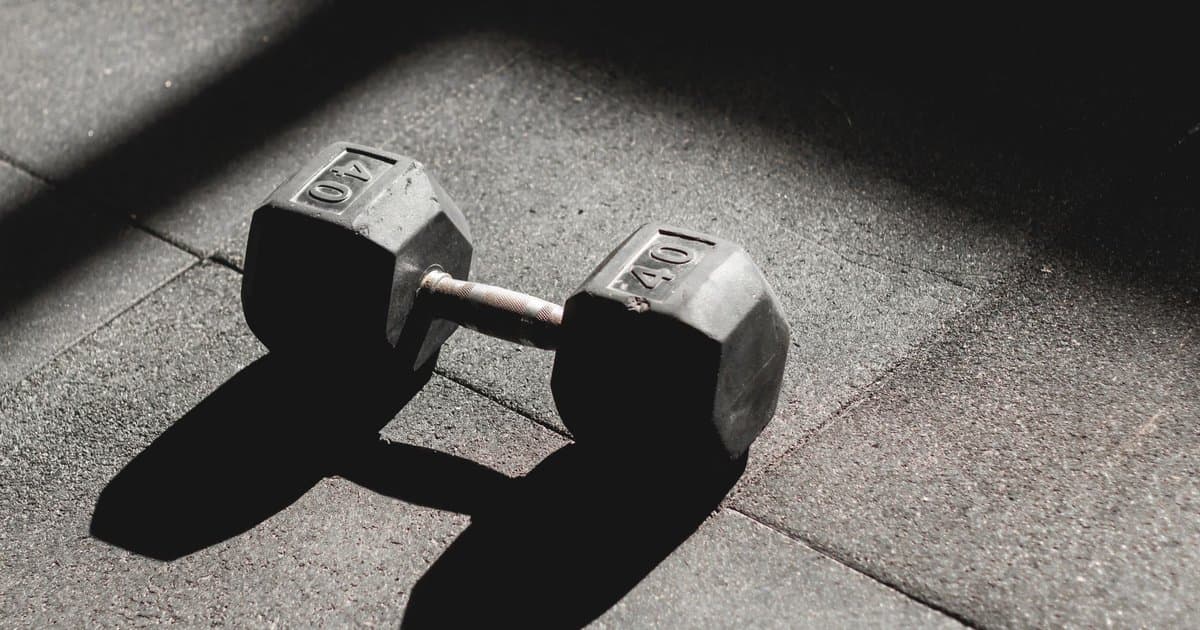
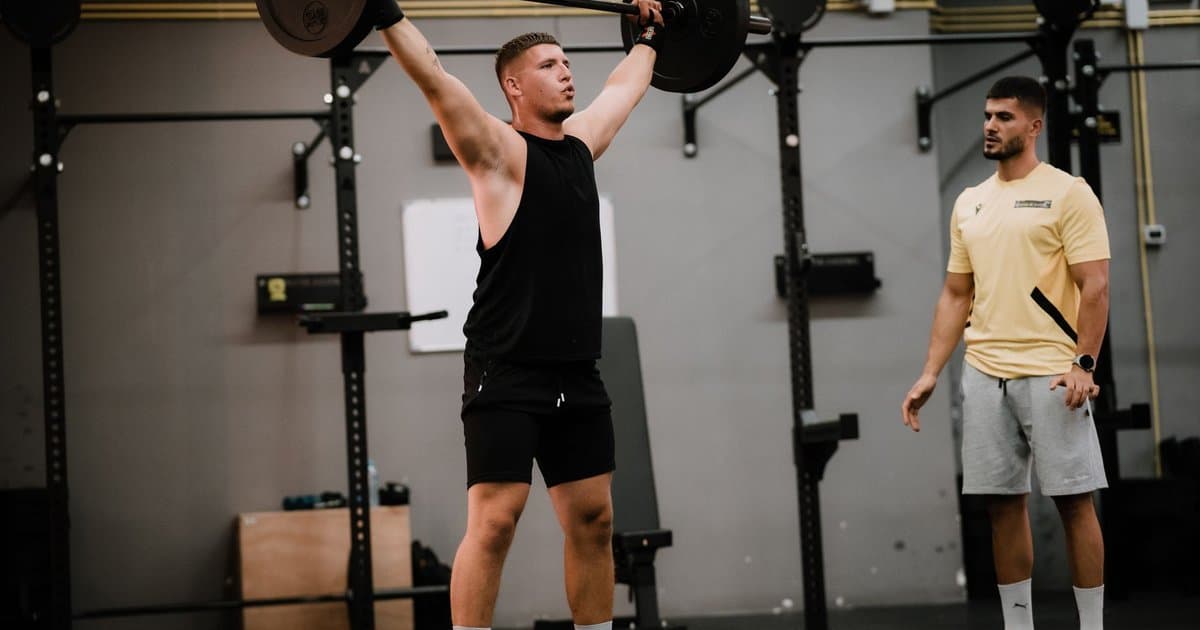
None of this means you should stop doing cardio, because your heart still needs it and so does your mind. It means the goal is balance, not replacement. Two or three short strength sessions a week are enough to change the trajectory for most people, and you can build them around basic movements like squats, presses, rows, and carries. You do not need a fancy gym or heavy barbells to start, since body weight and simple weights are plenty in the beginning. Give your muscles enough challenge that the last few repetitions feel hard, then let them recover before the next session. Keep the cardio you enjoy and add strength around it, and you protect the version of yourself that has to live decades from now. The best routine is the one that keeps you capable for as long as possible.