Almost everyone was taught the same thing about warming up. Before you train, you stretch. You reach for your toes, hold it, feel the pull, and count to thirty. It feels responsible, like you are protecting yourself, and it is what gym class drilled into all of us. The problem is that holding long, still stretches right before you lift heavy is one of the least useful things you can do, and in some cases it works directly against the session you are about to have. This is not a fringe opinion anymore. It has been studied enough that most strength coaches quietly stopped teaching it years ago, even if the message never reached the average person on the gym floor.
Here is what actually happens when you hold a long static stretch. You are asking a muscle to relax and lengthen and then hold that lengthened position for an extended time. That temporarily reduces the muscle's ability to produce force. For a short window after, the muscle is a little less responsive, a little less springy, and a little weaker. If your next move is a heavy squat, a sprint, or a max effort lift, you have just dialed down the exact quality you need. The effect is not permanent and it is not dramatic, but when you are chasing a hard set, giving away any power for no reason makes no sense. You warmed up in a way that made the work harder.
The confusion comes from mixing up two different goals. Improving your long-term flexibility is a real and worthy goal, and static stretching can help with that. But that is a separate project from getting ready to train. A warm-up is not the time to improve your flexibility. A warm-up has one job, which is to prepare your body to move well and hard in the next hour. Those are different tasks that call for different tools. People fail here because they use a flexibility tool to do a readiness job, and then wonder why their heavy sets feel flat and sluggish.
What a warm-up should actually do is raise your body temperature, get blood into the muscles you are about to use, and rehearse the movements you are about to load. That means moving, not holding. Dynamic warm-ups do this well. Think leg swings, walking lunges, arm circles, hip openers, and easy bodyweight versions of the movement pattern you are training. The idea is to take your joints through their full range under control while your heart rate climbs. You are waking the muscles up and telling your nervous system what is coming, instead of relaxing everything right before you ask it to fire.
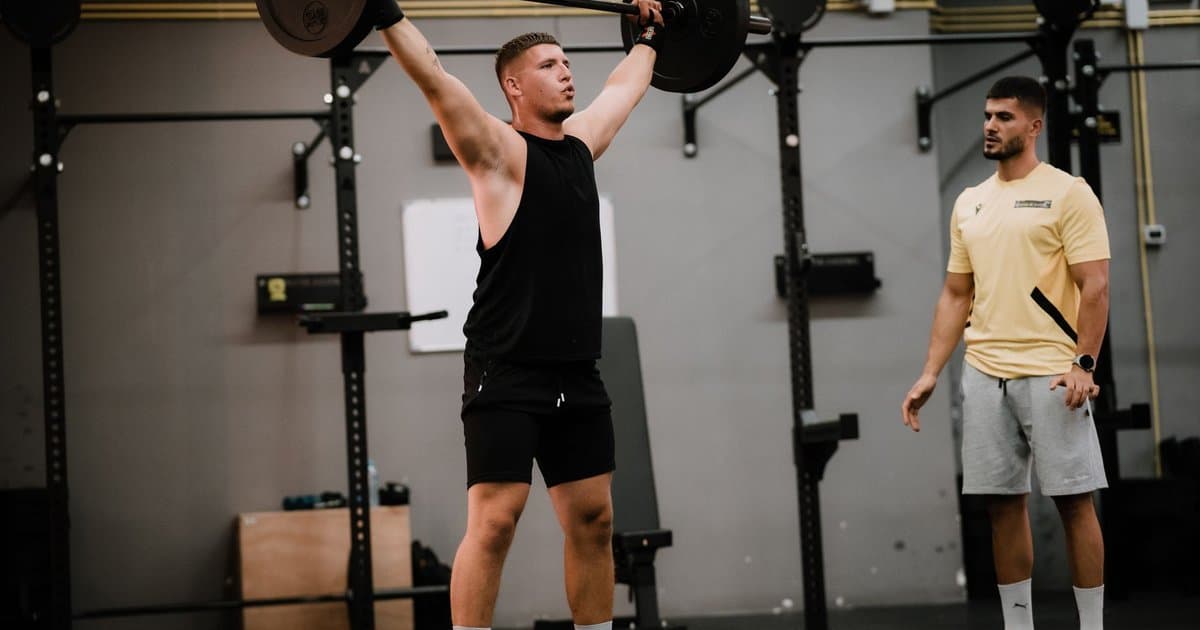
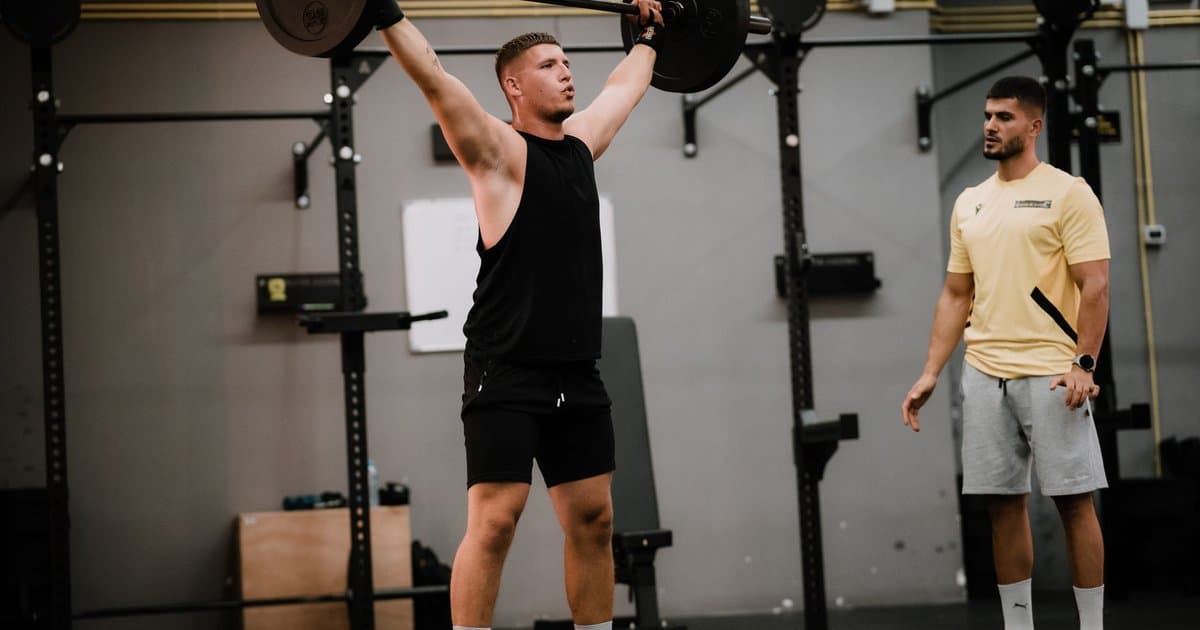
The most reliable warm-up of all is the movement itself, done light. If you are squatting, your best warm-up is squats. Start with the empty bar or a very light load and do a few sets, adding weight gradually until you reach your working weight. This does everything a warm-up needs to do. It raises your temperature, it grooves the exact pattern you are training, and it lets you feel out any tight or cranky spots before the weight gets serious. By the time you hit your first hard set, your body has already practiced the movement several times and knows exactly what it is being asked to do. Nothing beats it for getting ready to lift.
None of this means stretching is bad or that you should never do it. Flexibility work has a place, and for a lot of people it is genuinely useful. The point is timing. If you want to work on flexibility, do your static stretching after your session, when the muscles are warm and you are no longer trying to produce peak force, or on a separate day set aside for mobility. That way you get the benefit without paying for it in your training. You are not choosing between strength and flexibility. You are just stopping them from getting in each other's way.
So if your current routine is walk in, sit down, hold a few long stretches, then go straight into heavy work, try changing the order. Spend five to ten minutes moving. Do dynamic drills for the muscles you are about to train, then ramp up with light sets of the actual lift. Save the long holds for the end or for another day. Most people who make this swap notice their first working sets feel stronger and smoother almost immediately, because they finally stopped sedating the muscles right before asking them to perform. The old advice was not malicious. It was just aimed at the wrong moment.