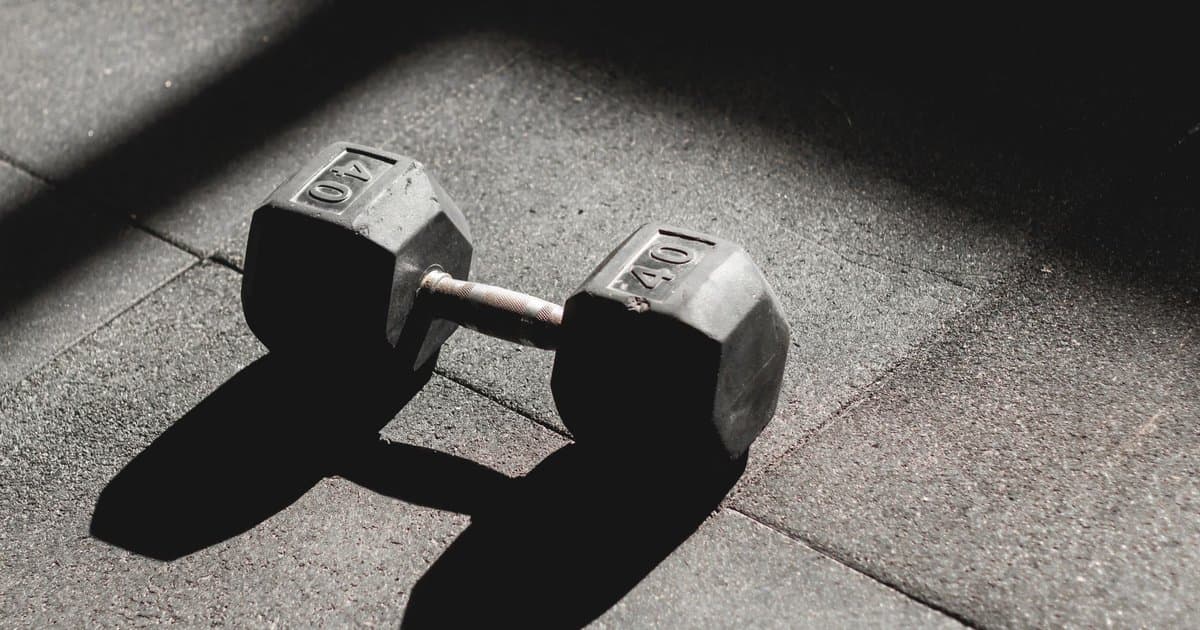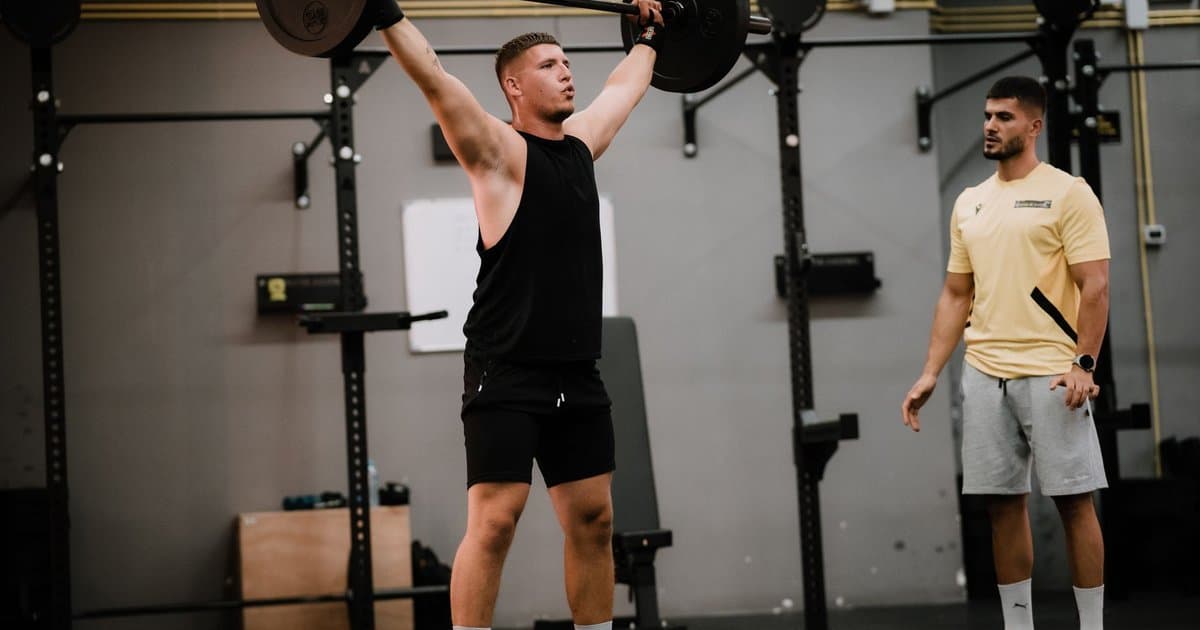
There is a moment in almost every gym where ego takes the wheel. The plates go on, the chest puffs out, and the lift becomes about the number instead of the movement. It feels strong in the moment. Over weeks and months, though, lifting too heavy too soon does the opposite of what you want. It slows your strength gains, it wears down your joints, and it sets you up for the kind of injury that costs you months. The hard part is that the weight does not announce itself as too heavy. You have to read the signs your body gives you, and most of those signs show up long before something actually tears.
The first sign is that your form falls apart before you finish the set. Good lifting has a shape to it. A squat travels the same path every rep, a press locks out clean, a row pulls from the same spot each time. When the weight is too heavy, that shape breaks down. Your back rounds on the deadlift, your hips shoot up first on the squat, your elbows flare and your wrists bend on the press. You might still move the weight, but you are no longer doing the exercise you set out to do. You are doing a sloppier, more dangerous version of it, and your body is borrowing from places it should not be borrowing from to get the bar up.
The second sign is that you cannot control the lowering part of the lift. Every rep has two halves, the lift up and the return down. The lowering phase, where the muscle lengthens under load, is where a lot of your growth and your control come from. When the weight is too heavy, that lowering phase disappears. The bar drops fast, you catch it at the bottom, and you bounce out of the hole. If you cannot pause the weight at any point on the way down, you are not lifting it, you are surviving it. Controlled tempo is one of the clearest tests of whether a load belongs to you yet, and it is one most people skip checking.
The third sign shows up in your joints rather than your muscles. After a good session, your muscles should feel worked. That is normal. What is not normal is sharp pain in your knees, your shoulders, your elbows, or your lower back. Muscle soreness is a dull, spread out feeling that fades over a day or two. Joint pain is sharper, more specific, and it tends to linger. When you load the bar beyond what your tendons and ligaments are ready for, those tissues take the hit, and they adapt much slower than muscle does. If your joints are talking to you after every heavy day, the weight is moving faster than your connective tissue can keep up with.
The fourth sign is that you dread the heavy sets instead of feeling ready for them. There is a difference between healthy nerves and real dread. A challenging set should make you focus, but it should not make you want to walk out of the gym. When the load is consistently beyond you, your nervous system knows it before your mind admits it. You start finding reasons to skip the last set, to add an extra rest day, to train a different muscle group. That avoidance is information. It usually means you climbed the weight too fast and your body is asking for a step back, not because you are weak, but because you skipped the building blocks that make heavy weight feel earned.
The fix for all of this is not complicated, and it does not mean lifting light forever. It means respecting progression. Add weight in small jumps, and only after you can complete every rep of every set with clean form and a controlled tempo. Spend real time at a weight before you move past it, because the reps you bank there are what make the next jump safe. Build in recovery so your joints and tendons can catch up to your muscles. Strength is not a single good day under a heavy bar. It is the result of weeks of solid, repeatable work that your body actually absorbed.
The lifters who last are rarely the ones who chased the biggest number the fastest. They are the ones who let the weight come to them. They treated each load as something to master before moving on, and they listened when their form, their tempo, their joints, and their nerves told them to wait. None of this is about lifting like you are fragile, and it is not about fear. It is about reading the four signs early enough that you never have to learn them the hard way. The bar will always be there next week. The goal is to still be lifting it then, healthy and progressing, instead of sitting out with an injury you could have read coming.