Toning is one of the most common words in fitness, and it is also one of the most misleading. People say they want to tone their arms, tone their stomach, or get toned without getting big, as if toning were its own special process. Walk into most gyms and you will hear it used as though it means something precise, when it really means almost nothing on its own. The word survives because it sells classes, light dumbbells, and vague promises. What actually creates a defined, athletic look is simpler and less mysterious than the marketing suggests. Once you understand the real mechanics, you can stop chasing a myth and start training in a way that works.
Here is the plain truth the word hides. That firm, defined look everyone calls toned is just two things happening at once, building or keeping muscle and reducing the layer of body fat sitting on top of it. Muscle gives your body its shape, and fat determines how much of that shape you can see. When someone looks more sculpted, they have not changed the quality of their muscle into something called tone. They have either added a bit of muscle, lost some of the fat covering it, or both at the same time. There is no separate toning gear inside your body, there is only muscle and the fat around it.
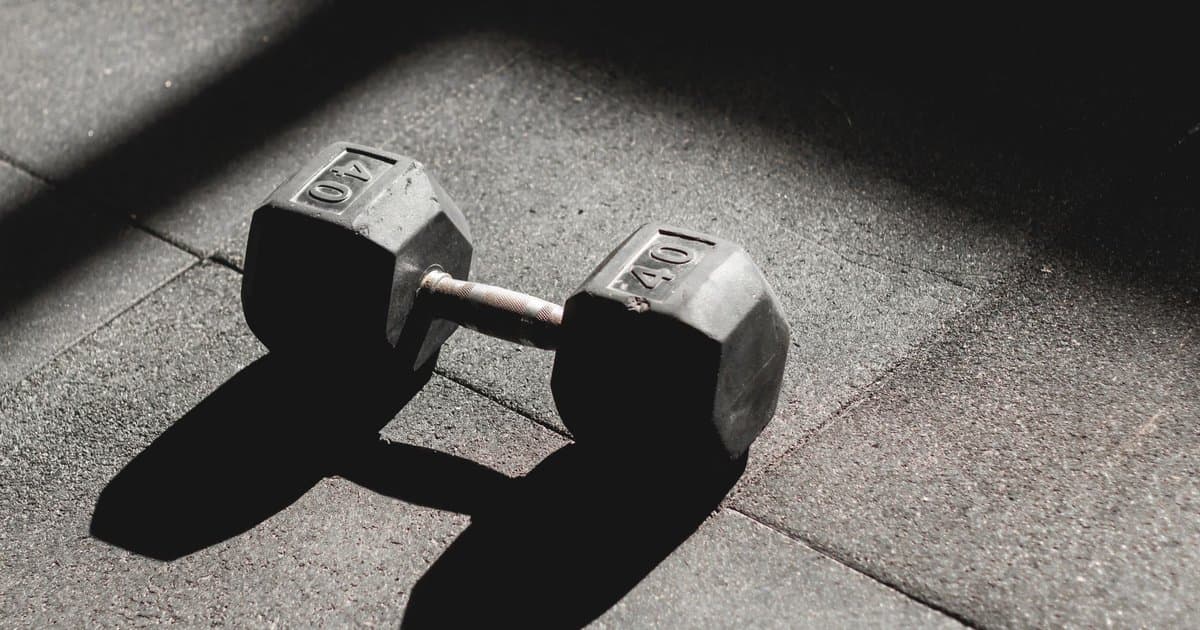
This is why the old advice to lift very light weights for very high reps to tone falls apart. Muscle responds to being challenged, and a weight so light that you could lift it fifty times gives it little reason to grow or even hold on. To build and keep the muscle that creates shape, you have to ask it to work against meaningful resistance and gradually add more over time. That principle, doing a little more than your body is used to, is what actually drives change. Feather light weights can burn some energy and improve endurance, but they are a slow road to the look most people are after. If definition is the goal, the resistance has to be real.
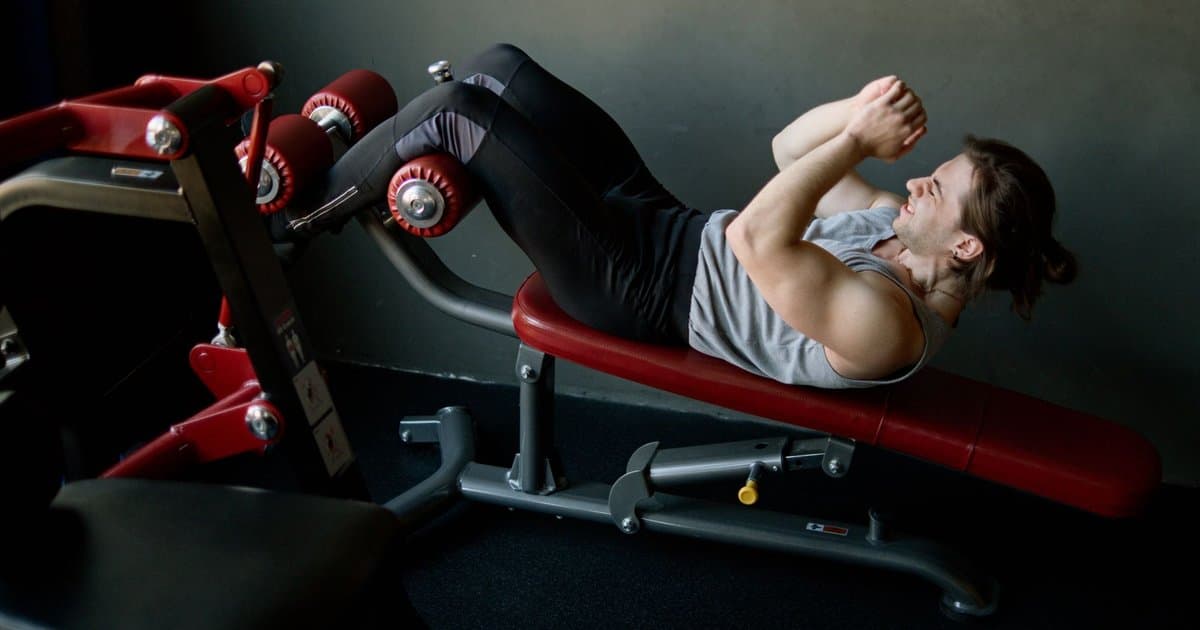
The other half of the equation is body fat, and this is where a stubborn myth needs to go. You cannot pick a spot and burn the fat off it by working that area, no matter what a routine promises. Doing endless crunches will strengthen the muscles under your midsection, but it will not melt the fat covering them, because the body pulls fat from all over based on genetics and overall balance. The same goes for arms, hips, and everywhere else people want to target. Fat comes off across your whole body when you take in a bit less energy than you use over time. Where it leaves first is mostly out of your hands, and that is normal.
So the honest formula for looking toned has two parts working together, and neither is exotic. First, train with real resistance and slowly increase it, so your muscles have a reason to develop and stay. Second, eat in a way that creates a modest, sustainable gap between what you take in and what you burn, with enough protein to protect the muscle you are building. Cardio can help you move more energy and support the fat loss side, but on its own it will not carve out the shape, because it does little to build muscle. The two levers pull in the same direction, and you need both. Skip either one and the results stall.
The reason this matters is that the toning myth sets people up to work hard on the wrong things. They pick up the lightest weights in the room, avoid getting stronger out of fear of bulking, and wonder why nothing changes after months. Building visible muscle takes real effort and time, so the worry about accidentally getting huge is misplaced for almost everyone. A better plan is patient and boring in the best way, lift with intent, add a little each week, feed yourself well, and give it real time. The people who look the way you admire did not find a toning secret, they built muscle and managed their body fat. Drop the word, keep the work, and the definition takes care of itself.