Walk into most gyms in the first week of January and you will see the same scene. The treadmills and stair climbers are packed, and the weight room sits nearly empty. Most people believe that burning fat means sweating through cardio until the scale finally moves. Trainers watch this play out every year, and the quiet truth is more boring than the marketing. Fat loss is decided mostly by what you eat and how much you move across the entire day, not by the single hour you spend on a machine. Cardio has a place, but it is a small slice of a much larger picture. Once you understand the order of what matters, you save yourself months of spinning your wheels.
Your body loses fat when it takes in less energy than it burns over time. That gap can come from eating a little less, moving a little more, or both, and food is the lever most people underrate. A single slice of pizza can carry more calories than forty minutes of jogging will burn off. This is the reason you cannot out-train eating that runs on autopilot. When someone says they exercise all the time and still cannot lose weight, the missing piece is almost always what happens at the table. You do not need a perfect diet, a cleanse, or a long list of banned foods. You need an honest look at how much you actually eat in a normal week, plus enough protein to stay full and hold onto muscle.
Cardio still matters, just not for the reasons the posters suggest. It strengthens your heart and lungs, it lifts your mood, and it adds to the energy you burn each day. What it does not do is melt fat in the amounts that fitness ads imply. The calorie readouts on machines tend to run high, sometimes by twenty or thirty percent. The famous afterburn, where the body keeps burning energy once you stop, is real but small for steady cardio. You would need long, hard intervals to see much of it, and even then the bump is modest. Use cardio because it makes you healthier and helps the daily math, not because you believe it does the whole job.
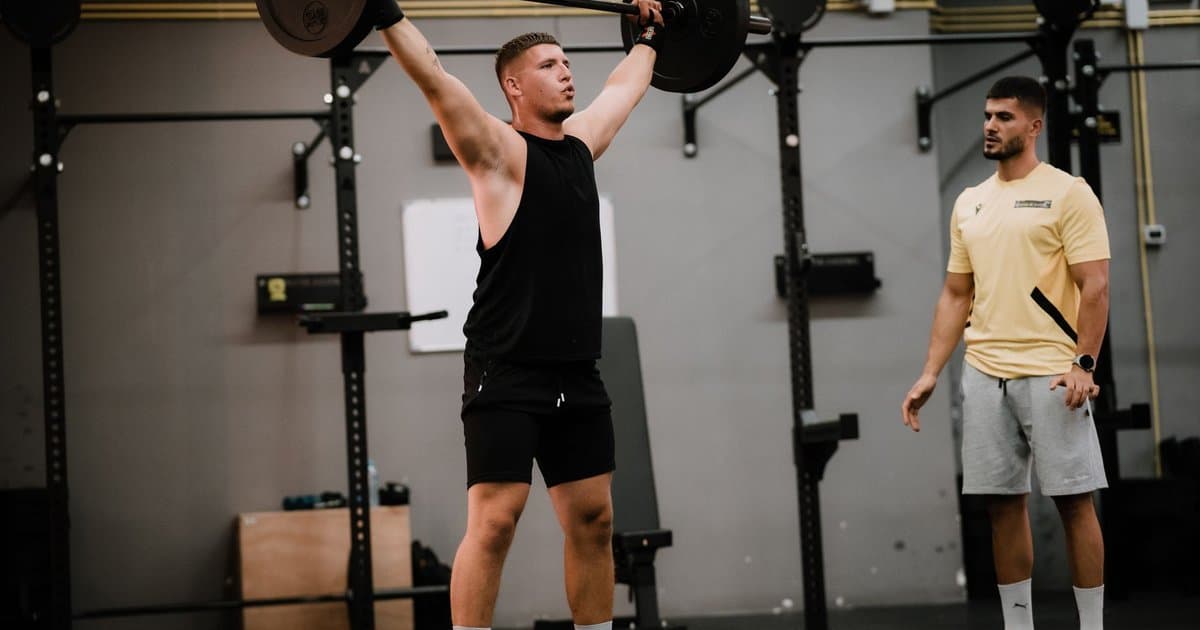
Here is the part many trainers wish more people understood. Lifting weights is one of the best tools for changing how your body looks, even when the scale barely moves. Muscle is active tissue that raises how much energy you burn at rest, so building it tilts the math in your favor around the clock. When you lose weight through cutting food alone, part of that loss comes from muscle, which can leave you smaller but soft. Strength work signals the body to keep muscle while you drop fat, so the shape underneath actually improves. You do not have to train like a competitor or live in the gym. Two or three honest sessions a week, with real effort and a little more weight over time, gets the job done.
The most overlooked driver of fat loss is the movement you never think about. It has a name, non-exercise activity, and it covers walking, standing, cleaning, carrying, and every small motion outside of a formal workout. For a lot of people this burns far more across a week than their actual gym sessions do. That is why hitting a daily step target often beats squeezing in one more cardio class. Sleep belongs in the conversation too, because short sleep raises hunger signals and makes cravings much harder to resist. Stress pulls in the same direction, nudging you toward food you never planned to eat. None of this is dramatic, and that is exactly the point.
So if you truly want to lose fat, put your attention where it pays off. Set your food first, with enough protein and a modest, steady gap you can actually keep. Add strength training to protect the muscle that gives your body its shape. Walk more, sleep more, and treat cardio as support rather than the main event. This is not the message that sells supplements or boutique class packages, which is part of why you rarely hear it stated plainly. It is slower and less exciting, and it keeps working long after the New Year motivation burns off. The people who stay lean are rarely the ones grinding hardest on the treadmill, they are the ones who got the order right.