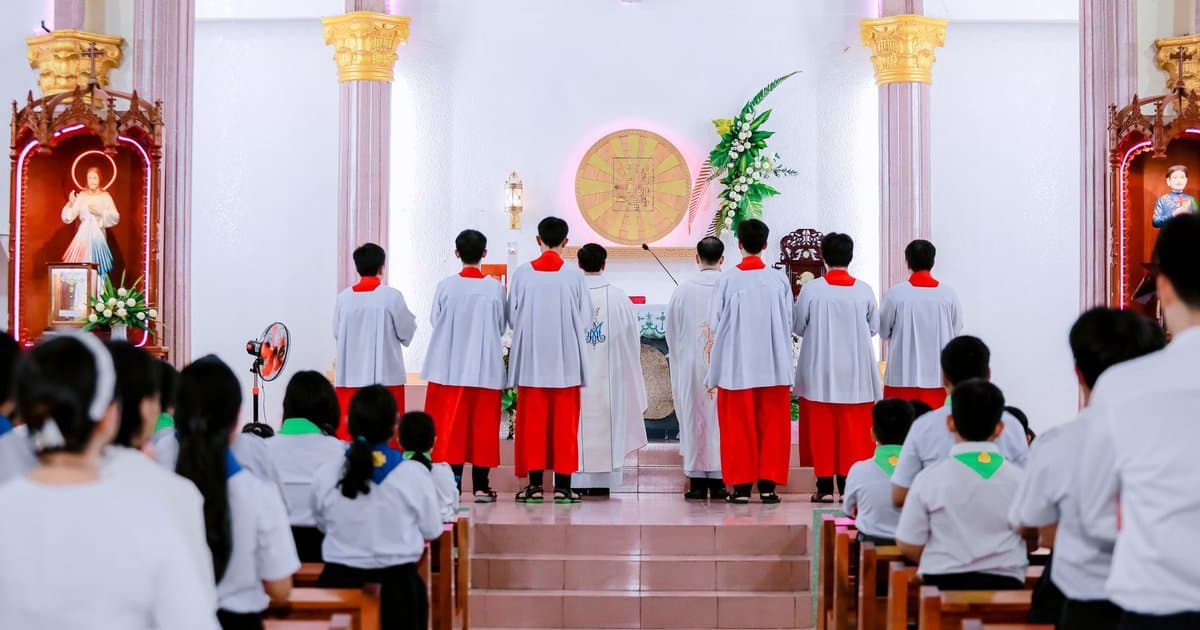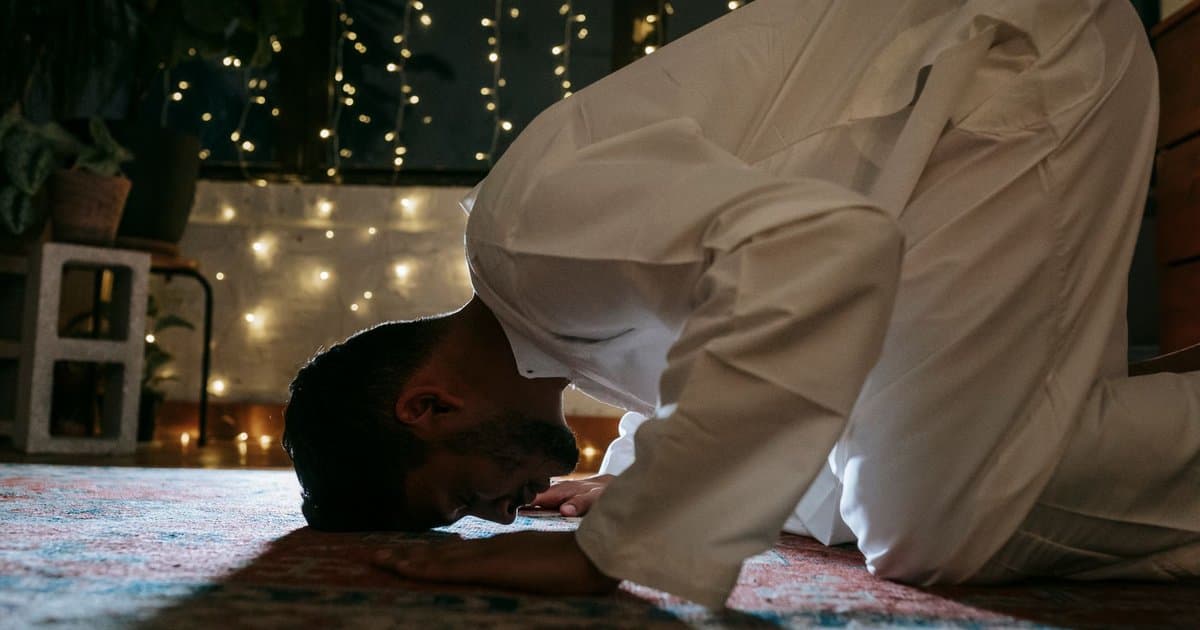
Almost everyone prays in a crisis. The diagnosis comes back, the job falls through, the relationship breaks, and suddenly the person who has not prayed in months is on their knees. There is nothing wrong with that prayer. God meets people in their worst moments, and the cry for help is one of the most honest prayers a person can pray. But if crisis is the only time you ever talk to God, you are living off a thin slice of what prayer was meant to be, and you are losing things you may not even realize you are missing. The problem is not that crisis prayer is wrong. The problem is that it is incomplete.
The first thing you lose is familiarity. When you only call on God in emergencies, you are reaching for someone you barely know, and it shows. The prayer feels awkward and one sided because the relationship has been silent for so long. Compare that to someone who talks with God daily, in small ordinary moments, about small ordinary things. When their crisis comes, and it will come, they are not reaching for a stranger. They are turning to someone they already trust, in a relationship that already has weight. Familiarity is built in the quiet seasons, not the loud ones, and you cannot manufacture it in the middle of a storm. It has to already be there.
The second thing you lose is the steadiness that comes from gratitude. Crisis prayer is almost always about asking, because that is what crisis does, it makes you need. But a life of prayer is supposed to include thanksgiving, and thanksgiving changes the person who practices it. When you regularly stop to thank God for what is good, you train your eyes to see what is good, and that habit holds you steady when hard times come. The person who only prays when things fall apart never builds that muscle. They go from need to need, crisis to crisis, and they miss the quiet strength that comes from a heart practiced in noticing grace. Gratitude is not a bonus feature of faith. It is part of how faith keeps you upright.
The third thing you lose is direction. Prayer is not only about getting what you want from God. It is also about being shaped by God, about slowly learning to want what He wants. That kind of shaping does not happen in a single desperate prayer. It happens over time, in the daily practice of bringing your decisions, your relationships, and your plans before Him and listening. The person who only prays in crisis is constantly reacting, never being formed. They ask God to fix the emergency, but they never let Him guide the ordinary choices that might have kept the emergency from coming. Direction is given to those who walk with God in the calm, not just those who scream for Him in the wreck.
There is also something you lose about your view of God Himself. When the only time you talk to Him is when you need rescue, you start to see Him as a kind of emergency service, a number you dial when things break. That picture is too small, and it quietly shrinks your faith. The God of Scripture is not a repairman waiting by the phone. He is a Father who wants relationship, who delights in His children, who is present in the dull Tuesday as much as the terrible one. A prayer life built only on crisis never gets to know that God, because you only ever meet Him at your lowest. You miss the friend, and you keep only the firefighter.
None of this is meant to shame anyone who prays only in hard times. That prayer is real, and the door is always open. But the invitation is to more than that. The fix is not complicated, and it does not require long hours or fancy words. It is a few minutes in the morning, a sentence of thanks before a meal, a habit of turning small worries into small prayers throughout the day. Consistency matters far more than length. A short prayer offered every day builds something that a marathon prayer offered once a year never will.
So consider this a gentle nudge rather than a rebuke. The crisis will still come, because crisis comes for everyone. The question is who you will be when it does. Will you be reaching for a stranger, or turning to a friend you already know. Will you arrive empty, or steadied by months of gratitude and trust already in the bank. Build the relationship now, in the quiet, while there is nothing on fire. That is when prayer does its deepest work, and that is the part most people never get to see.