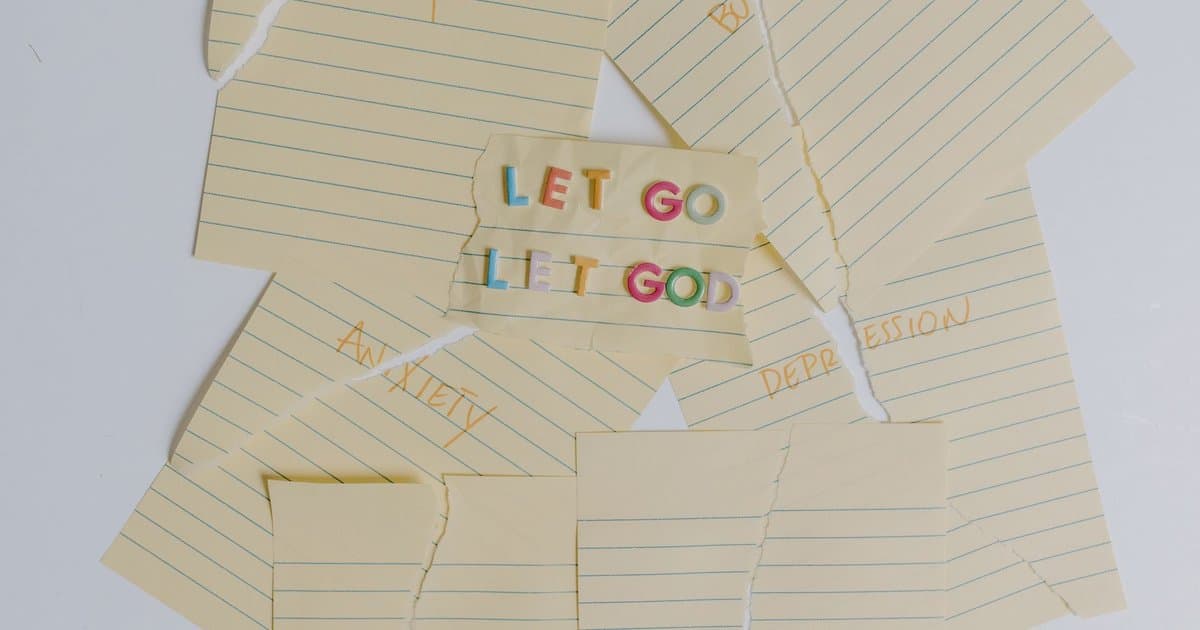
A lot of people read the verses about worry and walk away feeling worse. The words seem to say stop being anxious, as if anxiety were a switch you could flip if you only had enough faith. So when the worry does not lift, the natural conclusion is that something is wrong with you, that your faith is too thin or your trust too weak. That reading misses what the text is actually doing. The Bible talks about worry far more often as a matter of direction than as a matter of feeling, and once you see that distinction, the instruction stops being a burden and starts being a practice you can actually do.
Look at the famous passage in Matthew where the teaching is to consider the birds and the flowers, that they do not store up or labor anxiously and yet they are cared for. The point is not that birds have achieved emotional calm. The point is where they are looking. Their attention is on the present provision in front of them, not on a future they cannot control. The same is true of the well-known line from Philippians about being anxious for nothing. Read closely, it does not stop at do not worry. It immediately gives an action, to bring your requests to God, and then it promises a peace that guards the heart. The structure matters. The text moves from a problem straight to a thing to do, which tells you the goal was never to white-knuckle your emotions into stillness.
This reframing takes a quiet weight off the shoulders of anyone who has felt like a failure for being anxious. Worry is treated in scripture as a deeply human experience, not a sin to be ashamed of. The Psalms are full of people crying out in fear and distress, naming their dread openly before God rather than hiding it. Even the line about casting your cares onto God assumes you have cares to cast, real ones, heavy ones. The faith on display there is not the absence of worry. It is the decision about what to do with it. You can be afraid and faithful at the same time, and the people throughout the Bible who are praised for their trust are almost never people who felt no fear.
So the work is not to feel less. It is to redirect. When the mind runs ahead into every way things could fall apart, the instruction is to bring it back to the present and to bring the fear to God in plain words. That is why prayer shows up as the response to anxiety again and again. It is not magic that erases the problem. It is the act of moving the weight from your own shoulders, where it crushes you, onto someone you trust to carry it. The peace that is promised is described as something that guards you, almost like a sentry posted at the door of your thoughts, not as a feeling you generate on your own. It comes as a result of the handing over, not as a precondition you have to manufacture first.
There is also a practical wisdom buried in the teaching about not worrying over tomorrow. The instruction to let each day have enough trouble of its own is not a dismissal of planning. It is a recognition that most worry is borrowed from a future that has not arrived and may never arrive in the form you fear. The mind multiplies tomorrow's possible disasters and tries to suffer all of them today, which solves nothing and drains the strength you need for the actual task in front of you. Bringing your attention back to the day you are in is both a spiritual discipline and a sane one. It keeps you working on what is real rather than wrestling with phantoms you cannot touch.
None of this means faith makes anxiety disappear, and pretending it does only adds shame to suffering. There are seasons where worry runs deep and the right response includes wise counsel, community, and sometimes professional help, none of which is a betrayal of trust. What the Bible offers is not a command to feel calm on demand but a place to put the fear and a direction to keep turning toward. Considered honestly, the message is gentler than it first appears. You are not failing because you are afraid. You are being invited, over and over, to bring that fear somewhere it can be held, and to keep your eyes on the day in front of you rather than the one that has not come.
This is a faith reflection and not a substitute for mental health care. If anxiety is overwhelming or persistent, reaching out to a trusted professional or counselor is a wise and faithful step.