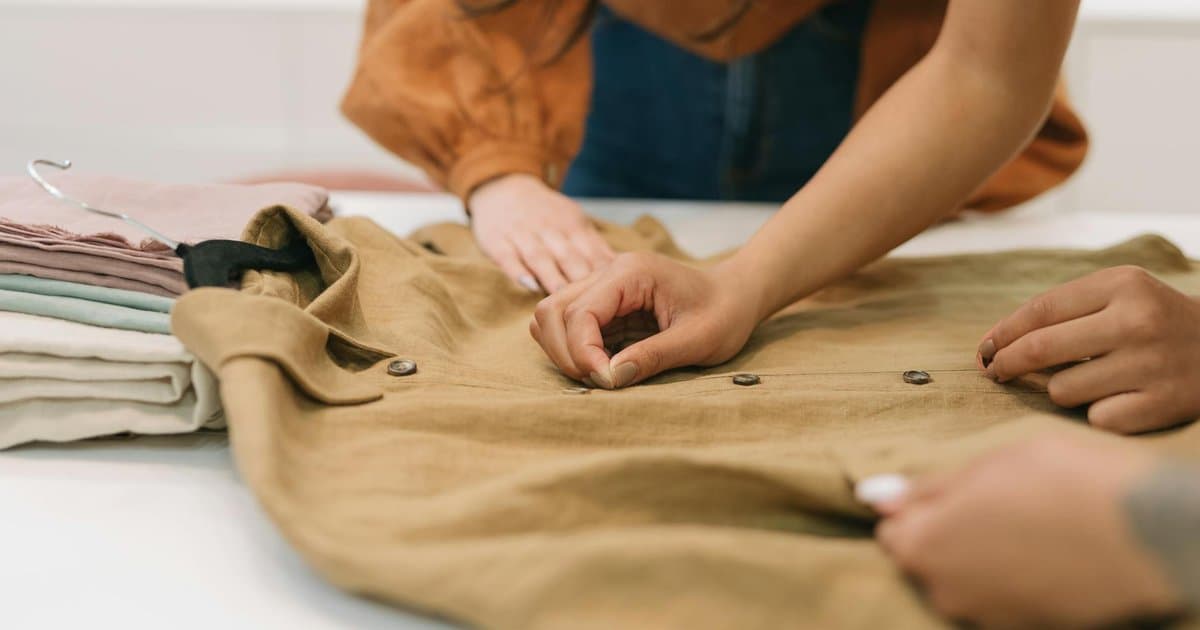
Ask a teenager today to sew a button, change a tire, or read a simple contract, and you will often get a blank look. That is not because young people are less capable. It is because the classes that once taught those things quietly disappeared while no one was paying close attention. Over the last few decades, schools dropped home economics, shop class, basic finance, and hands on trades to make room for test preparation and college tracks. The change felt reasonable one budget cut at a time. Added up across a whole generation, it left millions of young adults missing skills their parents took for granted.
The clearest loss is practical money knowledge. Most students graduate without ever learning how a credit card actually works, what interest does to a balance over time, or how to file a basic tax return. They step into adult life surrounded by financial decisions and armed with almost nothing to make them well. The gap is not their fault, because no one put the lesson in front of them. They learn instead through expensive mistakes, late fees, and debt that could have been avoided with a single semester of plain instruction. A topic that touches every adult somehow became optional.
Hands on trades took a similar hit. Shop class, auto repair, and similar courses once gave students a path to skilled, well paid work that did not require a four year degree. As schools pushed everyone toward college, those programs got cut as second class, and the message to teens became that working with your hands was a lesser choice. The result is a strange shortage. Skilled trades now pay well and beg for workers, while a generation was steered away from even trying them. Many young people never got the chance to discover they were good at something the market actually needs.
There is also a quieter loss in the everyday skills that build independence. Cooking a real meal, managing a household, fixing a small thing instead of replacing it, and handling basic paperwork are not glamorous, but they are what makes an adult feel capable. When those lessons leave the classroom and the home gets busier, no one is left to pass them down. Confidence grows from doing real things with your own hands and seeing them work. A young person who has never been taught any of it can reach adulthood feeling unprepared for ordinary life, and that feeling follows them.
The encouraging part is that none of this is permanent, and families do not have to wait for schools to fix it. A parent who shows a teenager how to cook three meals, read a pay stub, and set up a simple budget hands them more than any worksheet could. Letting a young person handle real responsibility, even when they fumble it, builds the exact muscle the curriculum stopped exercising. Free lessons online can fill the trade and finance gaps for anyone willing to sit down with a curious kid. The teaching just has to move from the classroom back into the kitchen and the garage.
For communities that have always had to be resourceful, this is familiar ground. Skills passed hand to hand, from an aunt, a neighbor, or an elder, have carried families through times when institutions did not. That tradition is worth leaning on now more than ever. Teach the young people around you what you know, whether it is money, tools, food, or simply how to handle a hard conversation. A generation was sent into the world missing a few important things, but the people closest to them can still hand those things over. That is how the gap actually gets closed.