The moment a live show begins, everything looks effortless. The lights are right, the sound is clean, the host walks out relaxed, and the audience settles in believing it all just came together. The truth is that the hour before that opening is one of the most tightly choreographed and nerve heavy stretches in all of production. Dozens of people are moving fast, solving last minute problems, and running checks they have run a hundred times, because live means there is no second take. What looks like calm is the result of a frantic final hour that the audience never sees and is not supposed to. Here is what is actually happening behind that curtain.
It starts with the technical checks, which never fully stop until air. Audio engineers test every microphone, one by one, listening for the hum or crackle that signals a bad cable before it becomes a disaster in front of an audience. Camera operators frame and refocus their shots, the director calls for each camera in sequence to confirm the feeds are live, and someone confirms the recording is rolling on backup in case the main system fails. Lighting gets a final pass, because a bulb that was fine an hour ago can blow at the worst moment. None of this is glamorous, and all of it is the difference between a smooth show and a public failure, so the crew treats the boring checks as sacred.
While the technical side runs its passes, the performers are going through a different kind of preparation. Some pace and run lines under their breath, some sit perfectly still with headphones on, and some crack jokes to burn off the adrenaline that is building whether they want it or not. The professionals have a routine they trust, and the hour before is when they lean on it hardest. A stage manager checks in with each of them, confirms they know their cues, and quietly manages the nerves that come even to people who have done this for years. The audience sees a confident performer at showtime, but the hour before is often the most human and anxious part of anyone's day.
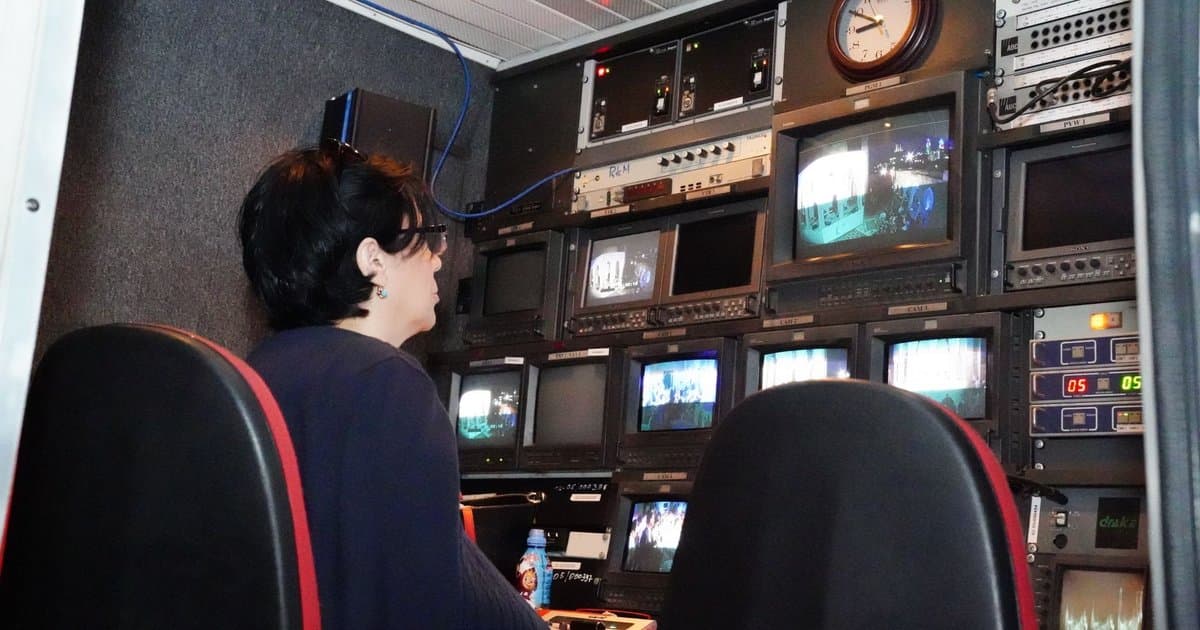
The control room is where the chaos becomes organized. The director, the technical staff, and the producers gather at a wall of monitors showing every camera and source at once. They walk through the rundown, the minute by minute plan of what happens when, and confirm that everyone agrees on the order and the timing. Graphics are queued, video clips are cued to the right frame, and the team rehearses the handoffs where one element passes to the next, because those seams are where live shows break. The director's calm voice during the broadcast was rehearsed into being during this hour, when every possible failure was named out loud and given a backup plan.
Then there are the problems that always appear, because something always does. A guest is late and the rundown has to be reshuffled on the fly. A graphic has the wrong name spelled and a designer fixes it with eight minutes to spare. A microphone dies during the final check and a runner sprints a replacement to the stage. The crew expects these surprises, and the good ones do not panic, they simply work the problem and move on, because the clock does not care. This is the part outsiders find hardest to believe, that the smoothest broadcasts are usually the ones where the most went quietly wrong in the final hour and got fixed before anyone outside the building noticed.
As the clock ticks down, the energy in the room shifts into something focused and quiet. The chatter dies, the stage manager begins the countdown, and the last few people find their marks. The host takes a breath, the audience hushes without quite knowing why, and the director's hand hovers over the call that starts it all. Everyone in the building has done their job, and now they have to trust that the preparation holds, because in a few seconds there is no taking anything back. That handoff from frantic preparation to total commitment is the real heart of live production, and it happens in silence right before the first word.
What makes all of this remarkable is that the goal of the entire hour is to leave no trace of itself. The crew works that hard precisely so the audience never suspects how close things ran. A great live show feels easy, and that feeling is the product, carefully manufactured by people who will never be seen. The next time you watch something go out live and it all seems to flow, remember that the smoothness is the achievement, not the absence of trouble. Behind the calm host and the clean shot is an hour of controlled urgency, and the people who pulled it off are already breathing again in a dark room you will never see.