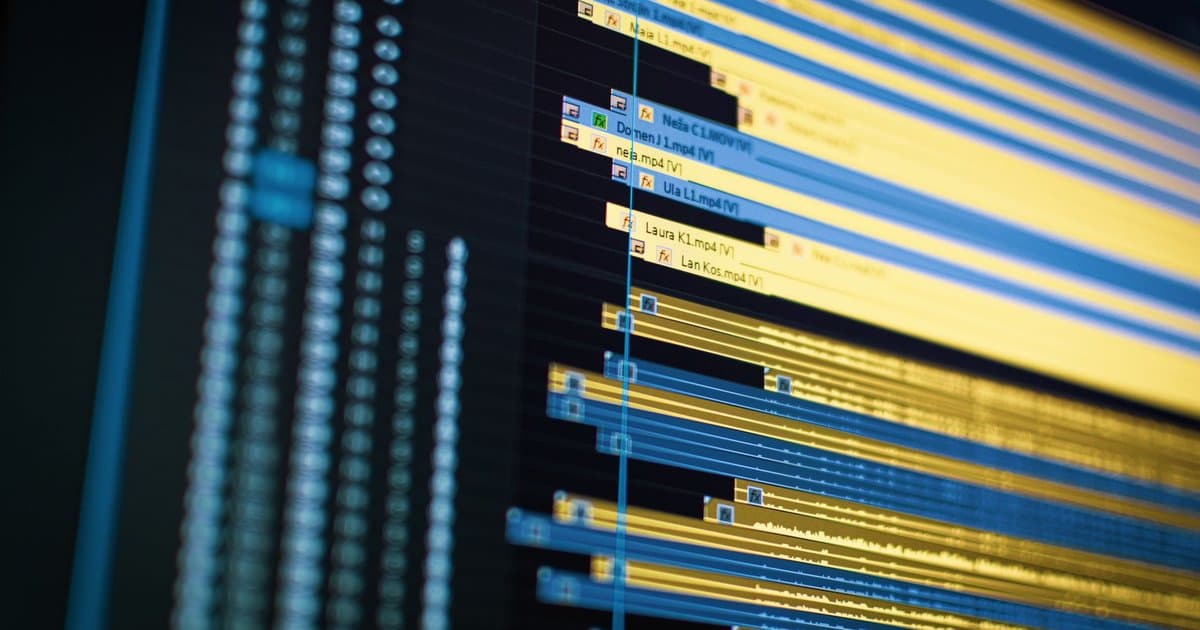
People assume the hard part of video is the day of the shoot. The lights, the camera, the talent in the chair, that is the part everyone pictures. The real work starts after everyone goes home and the footage sits on a drive. A finished clip you watch in two minutes can represent ten or twelve hours nobody ever sees. That hidden stretch is where a shoot either becomes something usable or quietly falls apart. Understanding it changes how you plan the whole project, not just the edit.
The first thing that happens is backup, and it is boring on purpose. Footage gets copied to at least two drives before a single card is wiped. A card that fails before the copy is finished can erase an entire day of work that can never be repeated. Editors who skip this step learn the lesson exactly once, and it is an expensive lesson. After the copy comes the sort, where good takes get separated from the noise. A single interview might hold forty minutes of talking and five minutes worth keeping.
Then comes the part most viewers never think about, which is sound. Audio carries a video far more than picture does, and bad audio sinks even beautiful footage. The editor cleans hum, removes clicks, balances levels, and smooths the gaps between sentences. A room that sounded fine in person often hides a hum from an air vent or a refrigerator down the hall. Fixing it later is slow, and sometimes it cannot be fixed at all. This is why careful crews spend real time on sound before they ever roll camera.
Color is the next layer, and it does quiet but heavy lifting. Raw footage usually looks flat and slightly gray straight out of the camera. The editor pushes contrast, corrects skin tones, and matches shots so two cameras look like one. When color is done well, you never notice it, and that is the entire point. When it is done badly, the video feels cheap even if everything else was perfect. Most of the difference between amateur and professional work lives in this invisible step.
Only after all of that does the actual storytelling begin. The editor decides what to cut, what to keep, and what order makes the point land. A strong story can be built from average footage, and a weak one can waste great footage. Pacing gets tightened, dead air gets removed, and the opening gets reworked until it earns the next ten seconds. This is the stage where a video finds its shape or loses the viewer for good. It is also the stage clients underestimate the most when they plan a timeline.
The takeaway is simple once you see the full process. The shoot is maybe a third of the work, and the rest decides whether that third mattered. Plan for the edit before you plan the shoot, not after. Capture clean sound, shoot extra coverage, and label your footage so the person editing is not guessing. The video people praise was built mostly in the quiet hours after the lights came down. That is where the craft actually lives, and it is worth respecting before you ever press record.