There is a story athletes tell themselves that toughness means never sitting out. You hear it from coaches, teammates, and the voice in your own head that says quitting now is weakness. So you tape the ankle tighter, swallow another pill, and tell yourself the pain is just part of the game. Sometimes that grit is exactly what the moment calls for, since competition does involve discomfort. The problem is that most athletes never learn to tell the difference between discomfort and a warning, and that confusion is what ends careers early. Playing through real pain rarely saves the season, and it often costs far more than the game you were trying to finish.
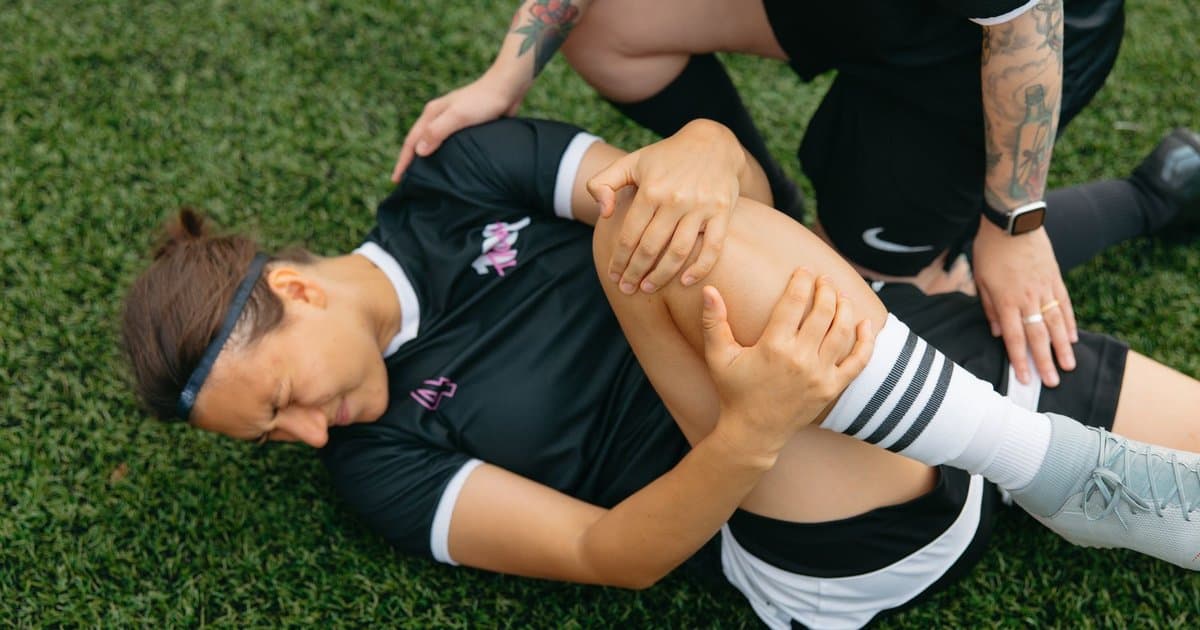
The first thing to understand is what pain actually is, because it is information, not an obstacle to ignore. Soreness from a hard workout is normal and fades within a day or two as the body adapts and rebuilds. Sharp pain, swelling, instability in a joint, or pain that gets worse as you keep moving is a different signal entirely. That kind of pain is your body reporting damage that is already underway and asking you to stop before it spreads. Ignoring it does not make you tougher, it just turns down the alarm while the fire keeps burning. Learning to read these signals is a skill, and the athletes who last the longest are usually the ones who read them best.
The cost of pushing through shows up in how injuries compound. A minor strain that needs a week of rest can become a major tear that needs surgery and months away from the sport. When one part of your body hurts, you unconsciously shift your form to protect it, which loads stress onto other muscles and joints that were never meant to carry it. That is how a sore knee becomes a hip problem, and how a tight hamstring becomes a back injury. The original issue was small and the body was asking for a short pause. The pattern of compensating around it is what creates the bigger, longer lasting damage that keeps you out far longer than rest ever would.
There is a mental cost too that often gets overlooked. Competing while hurt drains focus, because part of your attention is always managing the pain instead of the game. Your reaction time slows, your decision making gets foggy, and a tired and guarded body makes the kind of mistakes that lead to even worse injuries. So the athlete who plays through pain to help the team often plays worse and gets hurt more, which helps no one. The fear of being seen as soft pushes people to make a choice that quietly weakens their performance. Real toughness includes the honesty to admit when something is wrong and the discipline to handle it correctly.
The fix is not to baby every ache or to quit at the first sign of discomfort. It is to build a habit of treating pain as data and responding to it on purpose. That means warming up properly, telling a trainer or doctor the truth about how you feel instead of hiding it, and giving small problems the short rest they need before they grow. It means understanding that a few days off now can protect months of playing time later. The best athletes are not the ones who never get hurt, since injuries come for everyone who competes hard enough. They are the ones who manage their bodies wisely enough to keep showing up year after year.
If you take one thing from this, let it be that sitting out a single game is almost never the disaster it feels like in the moment. The season is long, your body is the only one you get, and careers are built over years rather than single contests. Coaches who respect the long game would rather have you healthy in three weeks than broken for the rest of the year. The athlete who learns this early protects something far more valuable than any one win. Pushing through pain feels like the brave choice. Knowing when to stop is often the smarter and braver one.