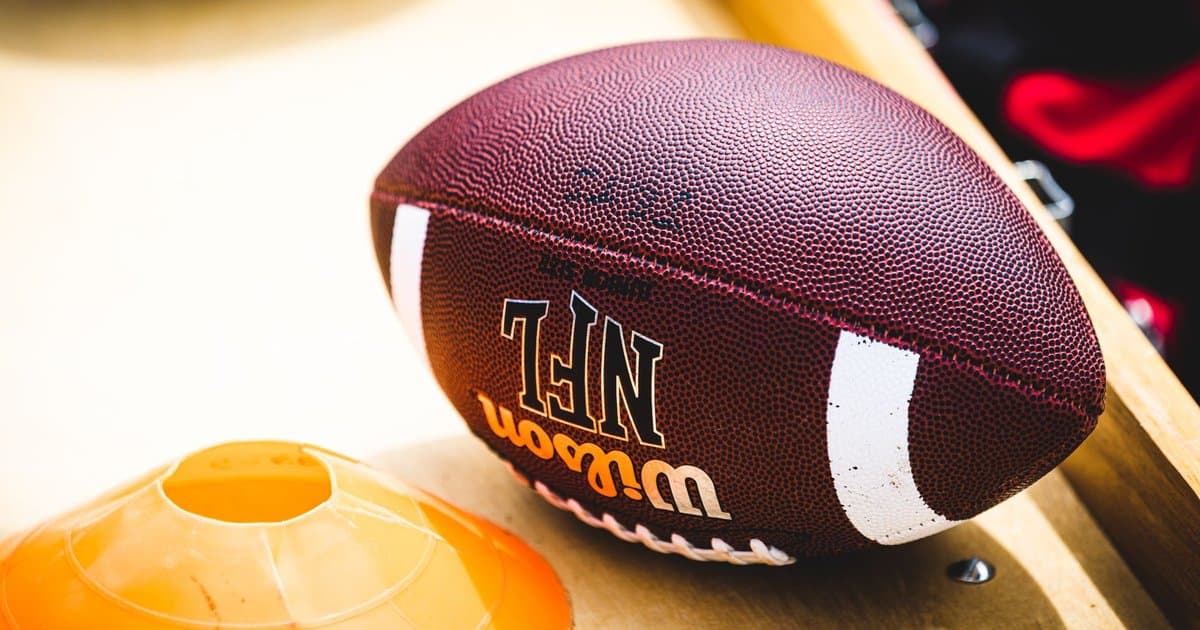
Sit down for a full NFL broadcast and you will give up more than three hours of your day. The teams are on the field the whole time, the clock keeps moving, and it feels like a lot of football. Now here is the part that stops people cold. When you add up only the moments the ball is actually in play, you get about eleven minutes. That is not a typo. A famous study put the real action in a pro football game at roughly eleven minutes total.
The number comes from a Wall Street Journal review back in 2010. Researchers watched broadcasts with a stopwatch and started the clock at each snap. They stopped it when the whistle blew and the play ended. Add every one of those short bursts together across four quarters and you land near eleven minutes. Most plays last only a few seconds before someone is tackled or the ball hits the ground. Multiply a handful of seconds by the number of plays and the math holds.
So what fills the other three hours? A big share is commercials, close to an hour of them in a typical broadcast. Replays eat up a large chunk too, often more time than the live action itself. Then there are huddles, players walking back to the line, measurements, timeouts, and the long gaps between snaps. The camera shows coaches, crowds, and sideline shots to keep you busy. All of that is the show wrapped around the eleven minutes.
This is not new, and it is not only a modern television problem. Long before instant replay and national ad deals, someone measured college games in the 1920s and found about the same thing. The action was always short. Football has always been a game of brief, intense bursts followed by a reset. The sport is built that way on purpose. Each play is planned, run, and then everyone regroups for the next one.
Once you know the number, you start to see the design behind it. Those pauses are not wasted time to the people who run the game. The gaps give coaches a chance to call plays, swap players, and adjust to what just happened. They also give broadcasters room to sell ads and show replays that build drama. The stop and start rhythm is part of why football works so well on television. It leaves natural breaks that other sports simply do not have.
The break between plays also shapes how the game is played. Football rewards strategy because there is time to think between every snap. Coaches send in plays, players read the defense, and the quarterback can change the plan at the line. Compare that to sports that flow without stopping, where choices happen on the run. In football, the pauses are where much of the chess match lives. The short bursts of action are just the result of all that planning.
It helps to put the eleven minutes next to other sports. A single play averages only about four seconds of movement, yet a game may run more than a hundred and thirty plays. A soccer match, by contrast, keeps the ball moving for close to an hour. Basketball and hockey flow almost nonstop once the action starts. Football trades that steady flow for a series of set pieces. Each one is short, planned, and separated by a pause, which is exactly why the total is so small.
None of this means the game is boring or fake. Eleven minutes of full speed collisions is a lot of violence packed into a small window. Players train for months to be ready for those few seconds at a time. The effort in each play is enormous even though the play is brief. What the number really shows is how much packaging surrounds the sport. The action is real, but it is a small slice of the broadcast.
Game length has crept up over the years while the action stayed flat. Modern offenses lean on more passing plays, which stop the clock every time a throw falls incomplete. Instant replay reviews add minutes as officials study a call from every angle. Longer ad breaks stretch the broadcast further still. Put it together and a game that once wrapped in well under three hours now often runs past it. Yet the eleven minutes of real play barely moves. All the extra time lands in the gaps, not the game.
So the next time someone says they watched a whole game, you can smile at the math. They gave three hours to see about eleven minutes of football. That is not a knock on the sport, it is just how the show is built. The pauses, replays, and ads are the price of the drama. Knowing the split might even change how you watch. You will start to notice how much of the broadcast happens between the whistles.