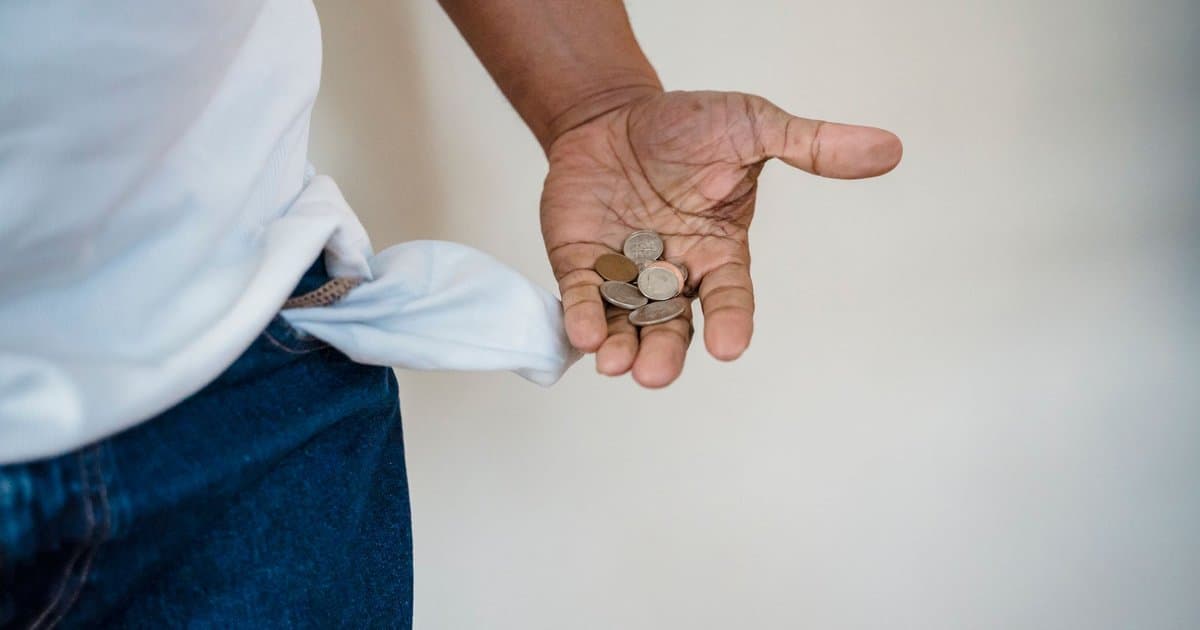
Most people give from the bottom of the pile. They pay the bills, cover the groceries, set aside a little for themselves, and then see what is left for anyone else. Whatever survives that process is what they call generosity. There is nothing evil about it, but it quietly reveals where giving actually ranks in their lives. It ranks last, after every other claim has been satisfied. The leftover approach treats generosity as a luxury you reach only after your own comfort is secure. That order is the very thing worth examining.
The older idea, found across the wisdom of Scripture, runs in the opposite direction. You give first, off the top, before the money has a chance to attach itself to a hundred other plans. The point was never that the amount is magic. The point is the order, because the order is what forms the person. When you give first, you are saying out loud that what you have is not ultimately yours to hoard. You are loosening the grip before the grip can tighten. That single act of sequencing does something to the heart that a year of good intentions cannot.
Money has a way of becoming an identity if you let it. The more you accumulate without ever releasing any, the more you start to believe that your security rests in the pile itself. Giving first interrupts that belief at the root. It is a small, repeated reminder that your provision comes from somewhere larger than your own effort. You worked for it, yes, but you did not create the ability to work or the breath that made it possible. Generosity off the top keeps that truth in front of you. It keeps gratitude from curdling into ownership.
There is also a freedom in it that surprised me the first time I practiced it. When giving comes first, the rest of the budget arranges itself around a decision you have already made. You are not agonizing each month over whether you can afford to be generous. The question is settled before the wrestling can begin. That settled quality removes a kind of low background anxiety that many people carry without naming it. The fear that there will not be enough loses some of its grip when you have already proven, in action, that you trust there will be. Faith grows in the doing, not in the thinking about it.
This does not mean you give recklessly or ignore real obligations. Providing for your family is itself a form of faithfulness, and generosity that leaves your own house in ruin is not the goal. The call is to put giving in its proper place in the order, not to pretend bills do not exist. Start with a small percentage you can sustain without drama, and make it the first line item, not the last. Let it be automatic if that helps, so the decision is protected from your moods. The size can grow over time as your capacity grows. What matters most at the start is the position, not the percentage.
It also reorders your relationship with the people around you. When generosity sits at the front of your budget, you start seeing needs you used to walk past without noticing. A heart practiced in giving becomes quicker to spot where it can help and slower to manufacture excuses. The leftover giver tends to feel stretched and protective, always guarding against the chance of running short. The first giver tends to feel steadier, because the hardest decision was already settled at the top of the month. That steadiness spills into how you treat your spouse, your children, and even strangers. Money stops being the quiet master that decides your moods. It becomes a tool you direct rather than a force that directs you. The order of your giving slowly rewires the order of your heart.
If you have only ever given from the leftovers, try reversing the order for ninety days and watch what happens inside you. The amount may be identical, but the experience will not be. You will notice your hands open a little easier and your worry quiet a little sooner. You will catch yourself trusting in something steadier than your own bank balance. That shift is the real return on giving first, and no leftover gift can produce it. Generosity was never mainly about the recipient. It was always, in part, about what it does to the one who gives.