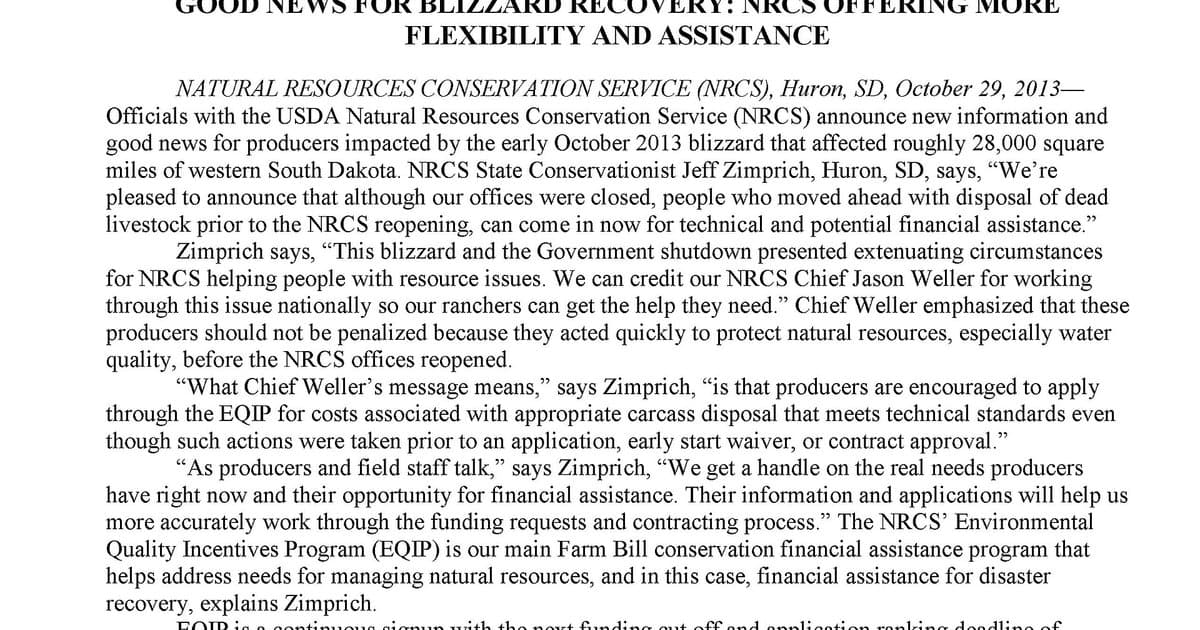
A government shutdown sounds like the whole government switches off, but that is not what happens, and the reality is both smaller and more disruptive than the phrase suggests. A shutdown begins when Congress fails to pass the spending bills that fund federal agencies before the deadline to do so. Without that funding approved, agencies lose the legal authority to spend money on most operations, so they are forced to pause a large share of what they do. Some functions continue because the law treats them as essential, while everything deemed non-essential stops until funding is restored. It is a budget standoff that spills out of Washington and lands on ordinary households, often ones with no stake in the disagreement. Understanding what actually pauses, and who feels it, matters more than the political scorekeeping around it.
The most immediate group affected is federal employees, and there are millions of them spread across every state, not just the capital. During a shutdown, workers are split into two groups: those furloughed and sent home without pay, and those required to keep working, also without pay, because their jobs are considered essential. Air traffic controllers, border agents, and many law enforcement staff fall into that second group, showing up to demanding jobs while their paychecks stop. A law now generally guarantees back pay once the standoff ends, but that does not help a family trying to cover rent or a car payment in the meantime. Missing even one paycheck pushes many households into hard choices, and lower-paid workers feel it fastest. These are clerks, inspectors, and support staff, not abstract figures in a budget line.
The public feels a shutdown through the services that slow down or stop. National parks and museums may close or run with skeleton crews, passport and visa processing can back up, and some small business and mortgage loan approvals that need a federal step get delayed. Food safety inspections and other oversight can be scaled back, and applications that require a government office to act simply wait. Programs that families count on, like certain nutrition assistance benefits, can face uncertainty if a shutdown drags on long enough to strain their reserves. Social Security and Medicare payments generally continue, because they are funded differently, but the offices that answer questions and fix problems often run short-staffed. The longer a shutdown lasts, the deeper these effects reach, moving from minor annoyances into real hardship for people who depend on timely government action.
The damage does not stop at federal payrolls, because the government works with the private economy at enormous scale. Federal contractors, from janitorial crews to technology firms, often stop being paid during a shutdown and, unlike employees, usually receive no back pay for the lost time. Communities built around federal facilities, military bases, research centers, and regional offices watch local spending drop as workers tighten their budgets. Restaurants, childcare providers, and shops near those hubs lose customers through no fault of their own. Cities with large immigrant and working-class populations can feel the strain quickly, since many residents work federal-adjacent jobs or rely on services that slow down. The costs ripple outward in ways that rarely make the headlines but show up plainly in local bank accounts.
For a family, the smart move is to know the pattern before one hits. Most shutdowns end fast, but a few have run for weeks, so a small cash cushion helps if your income touches federal work. If you have a claim, a loan, or a passport in process, expect it to move slowly and plan around the delay. Check whether the benefit you lean on is funded through the lapse or paused by it, since the two are treated very differently. Credit unions and local aid groups near big federal sites often step in during a long lapse, and knowing that ahead of time takes some of the fear out of it. A shutdown you saw coming is far easier to ride out than one that catches you flat.
Shutdowns are not tied to one party, and both Republican and Democratic presidents have presided over them, sometimes lasting hours and sometimes stretching for weeks. They are the product of a system that requires agreement to keep funding flowing, and when that agreement breaks down, the pause falls hardest on people with the least cushion. Economists generally find that the direct costs are recovered once operations resume, but a portion of the damage, lost business, delayed benefits, and personal stress, never fully comes back. For everyday families, the practical takeaway is simple: a shutdown is not a distant political event but a real interruption to paychecks, services, and local economies. Knowing which services pause and which continue helps people prepare rather than panic. The standoff happens in Washington, but the bill lands at kitchen tables across the country.