National politics takes up almost all of the oxygen. The presidential race gets years of coverage, endless debate, and the lion's share of attention at the dinner table. Yet for all that energy, the decisions that touch your daily life most directly are usually made a few miles from your home, not in a distant capital. Your city council, county commission, and school board quietly shape your streets, your taxes, and your children's classrooms. The contrarian truth is that your local election often matters more to your actual week than the one that dominates the news. It is worth understanding why, because the imbalance of attention costs ordinary people real influence.
Consider how much of your ordinary day is governed close to home. Local government decides whether the pothole on your street gets fixed and how quickly the storm debris gets cleared. It sets your property taxes, approves or blocks new housing, and writes the zoning rules that decide what can be built next door. It runs the water coming out of your tap, the trash pickup, the parks, and the public library down the road. It funds and oversees the police and fire departments that answer when you call for help. Almost none of that is settled in a national election, and almost all of it is settled by people whose names most voters cannot recall.
Now look at how few people actually show up to choose those officials. Presidential elections draw large crowds to the polls, often around two thirds of eligible voters in recent cycles. Local elections, especially the ones held in odd years or off the national calendar, frequently draw only a small fraction of that. In many cities, turnout for a mayor or a council seat lands in the low twenties or even single digits as a share of registered voters. That means a tiny, motivated group is deciding budgets and policies that affect everyone in town. The people who skip these races are not opting out of consequences, they are just letting a handful of neighbors choose for them. Low turnout does not mean low stakes.
There is a simple math reason your local vote carries more weight. In a national race, your single ballot is one among more than a hundred million, a drop in an ocean. In a city council or school board race, your ballot is one among a few thousand, and sometimes only a few hundred. Local elections are decided by tiny margins with real regularity, and races settled by a dozen votes are not rare at all. A small group of engaged neighbors can genuinely swing an outcome in a way that is impossible at the national level. If you want your vote to have the best chance of actually changing something, the smallest races are where it counts most. Power is most reachable exactly where most people are looking away.
It also helps to know which offices you are actually choosing in these races. School boards decide curriculum, budgets, and how your local schools are run day to day. City councils and county commissions set spending, approve development, and shape everything from transit to public safety. In many places, voters also choose the sheriff, the prosecutor, and local judges, roles that carry enormous influence over how the law is applied in your community. These are not ceremonial positions, and the people who hold them make choices that reach your family, your commute, and your wallet. When those seats are decided by a sliver of the population, the results can drift far from what most residents would actually want. Paying attention here is not busywork, it is self interest in the plainest sense.
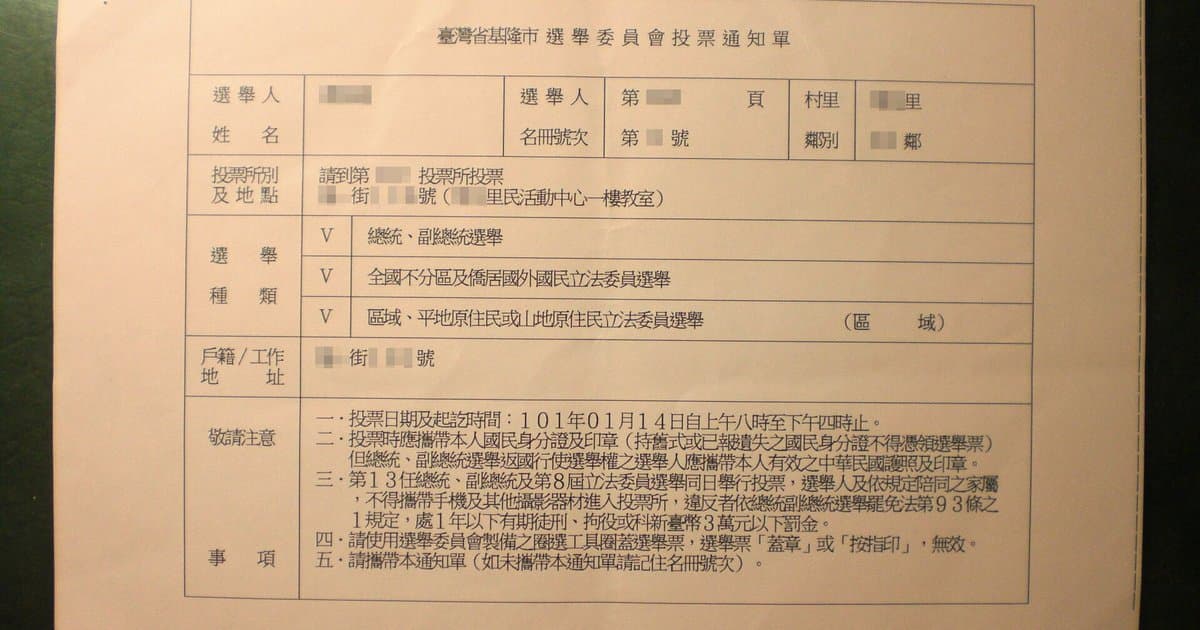
So here is the practical way to close the gap. Find out which local offices are on your ballot and when your city actually holds its elections, since many happen in off years that are easy to miss. Learn the handful of names for council, school board, and county seats the way you already know the national headlines. Vote in the primaries and the local races, not only the one every four years that everyone talks about. If you have an hour, sit in on a public meeting and watch how the decisions about your street actually get made. None of this requires money or connections, only attention and the willingness to show up. The election closest to your front door is the one most likely to change what happens behind it.