Politics and Policy
Legislation, courts, and how power actually moves.

You Won't Believe What Congress Can Edit After Saying It
The Congressional Record is not a straight transcript of the floor. Members can revise what they said and insert speeches they never gave.

The 218 Signatures That Can Force a Vote in the House
A House bill that leadership refuses to schedule is not always dead. A discharge petition can pull it to the floor, and the rules for doing...

What Actually Happens If a President Cannot Serve
Presidential succession is not left to chance or improvised in a crisis. A layered set of rules spells out exactly who steps in and how.
The Real Reason Federal Judges Serve for Life
Federal judges can hold their seats for life. The design traces back to one goal the founders cared about deeply.

What Your City Loses When the Census Misses You
The census is not just a headcount. It decides how many House seats your state gets and how federal money is split, so an undercount costs...

Why Does America Only Have Two Major Parties?
The United States almost always comes down to two big parties. The reason is baked into how the votes are counted, not the mood of the...

Why Does the Supreme Court Have Nine Justices?
The number nine is not in the Constitution. Congress set it, moved it several times, and landed on nine in 1869. Here is the full history.
Who Really Controls Federal Spending, and Why It Matters
The Constitution hands Congress the power to spend, but presidents have long tested whether they can hold money back. That fight has a name...

What Is Budget Reconciliation, and Why It Matters
Most Senate bills need 60 votes, yet major tax and spending laws pass with 51. The tool is called budget reconciliation, and it explains a...

The 60-Day Window Congress Uses to Kill a Rule
A 1996 law gives Congress a fast track to overturn a finished federal rule. The clock and the math behind it decide what survives.
What Does the Debt Ceiling Actually Do?
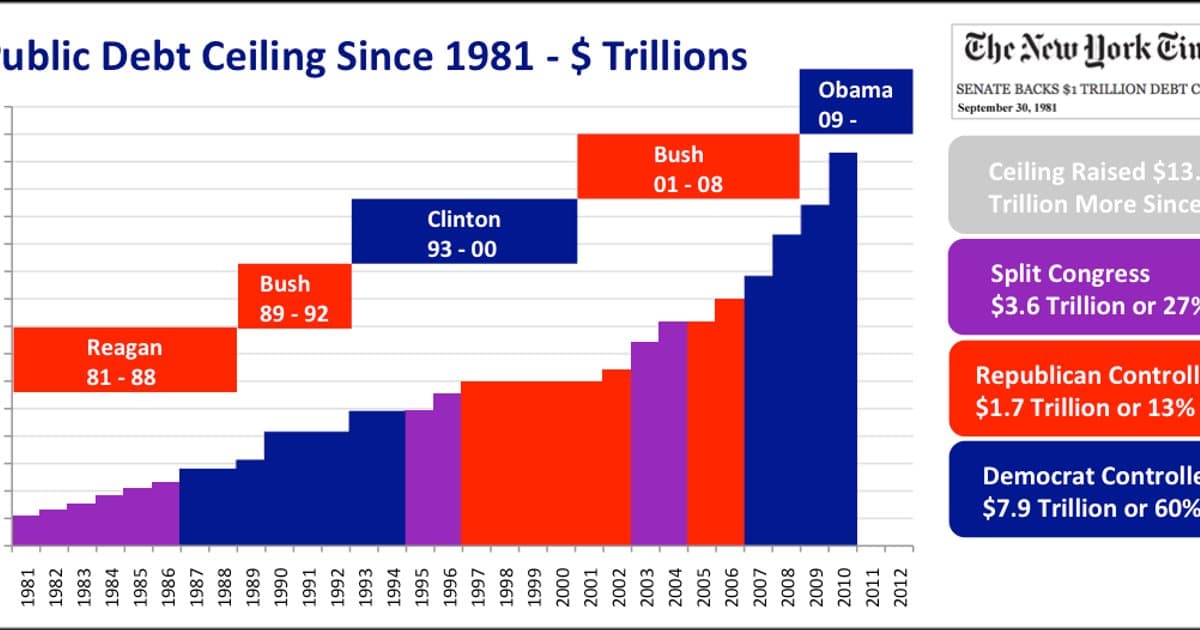
The debt ceiling gets blamed for a lot of things it does not do. Here is a plain look at what it is, how it works, and who feels it if it...
The Senate Rule That Quietly Requires 60 Votes
Most people think the Senate runs on simple majority votes. A long standing rule means most major bills actually need sixty, and that...

How Agencies Turn Laws Into Rules You Must Follow
Congress writes broad laws, but federal agencies fill in the details that touch daily life. Here is how that rulemaking works and why it...

What Does It Mean When the CBO Scores a Bill?
You hear that a bill got a CBO score. Here is what is being measured and why it can decide a bill's fate.

Why the Census Decides Far More Than Who Lives Where
The census looks like a simple headcount, but it steers more than 2.8 trillion dollars in federal funding a year and locks in political...
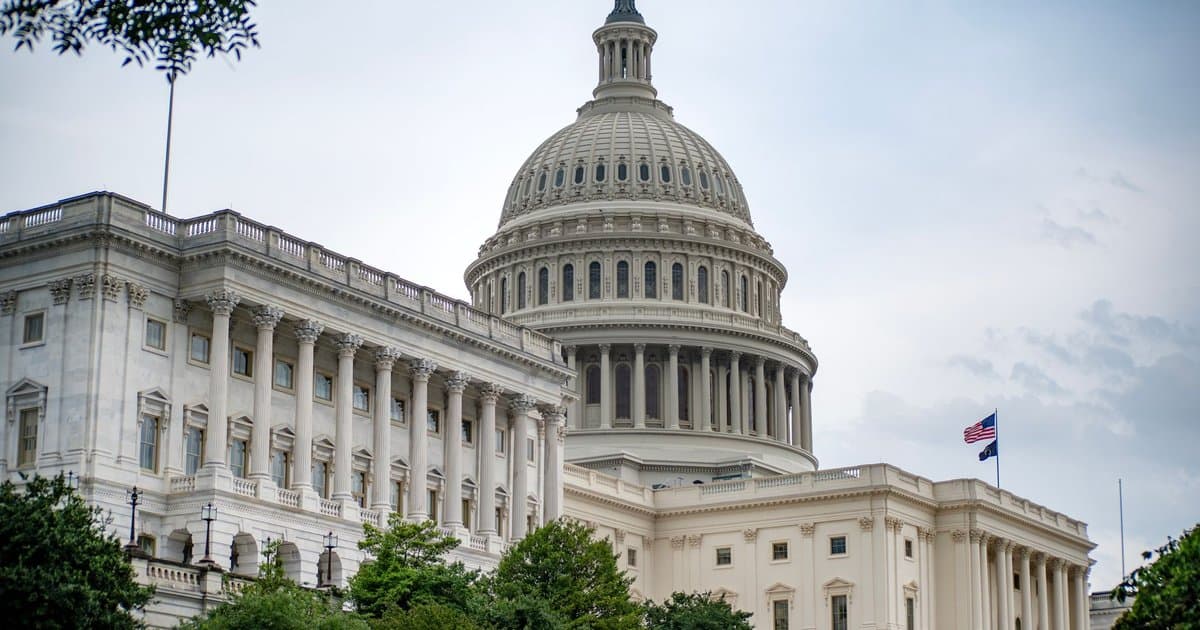
Why Congress Froze the House at 435 Seats in 1929
The House has not grown in nearly a century, even as the population tripled. A single 1929 law is the reason the number stopped moving.

The 1939 Law That Limits What 2 Million Workers Say
More than two million federal workers live under a 1939 law that limits their politics on the job. Here is what the Hatch Act allows and...
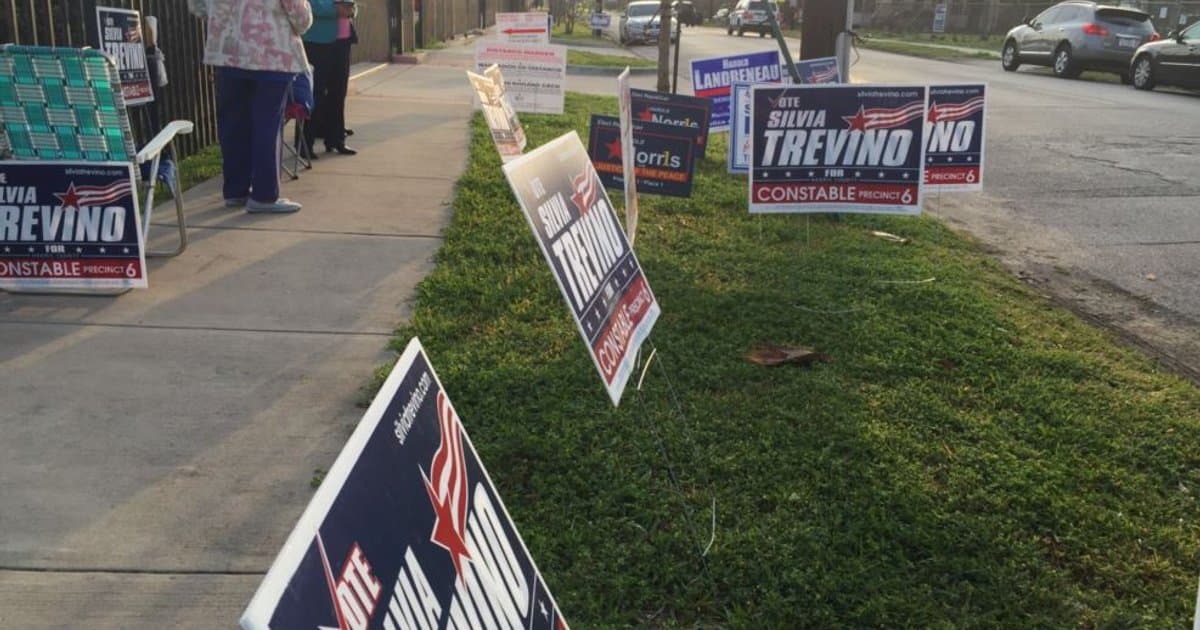
Why Do Americans Vote on a Tuesday?
Election Day lands on a Tuesday in November because of a law written for a nation of farmers. The reasons made sense in 1845 and quietly...

The 10-Day Rule Behind Presidential Recess Appointments
A single constitutional clause lets a president fill top jobs without a Senate vote. A 2014 Supreme Court decision set the clock that...
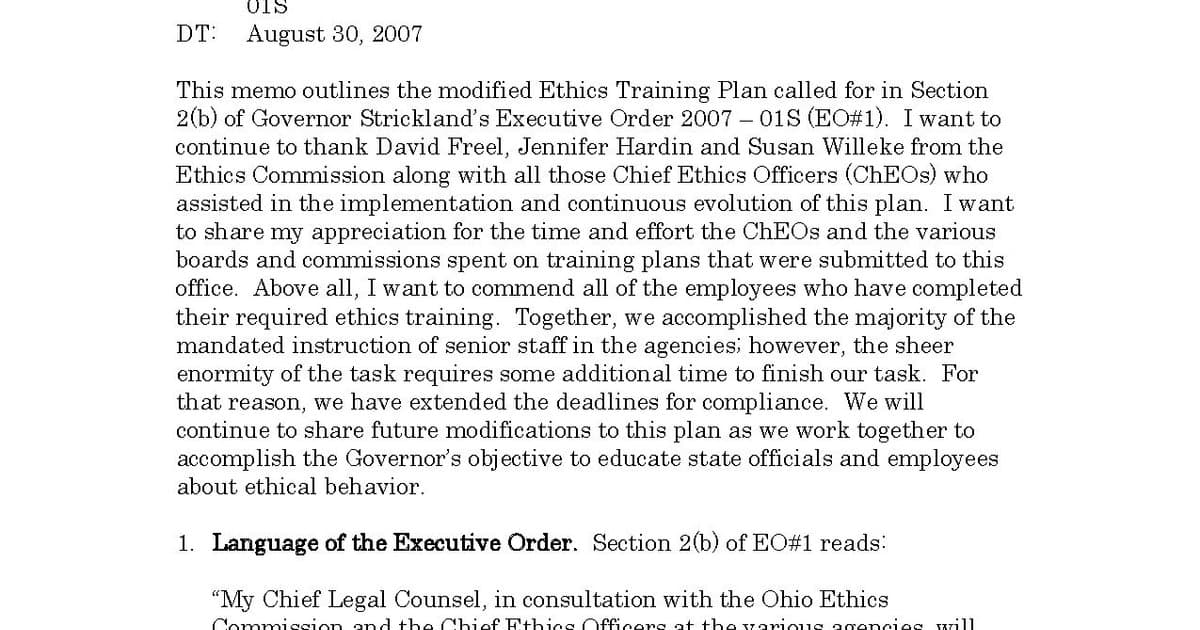
What an Executive Order Can and Cannot Do
An executive order is powerful, but it is not a magic wand. Here is the plain civics of what a president can and cannot do with a signature.

How 41 Senators Can Stop a Bill That 59 Support
Passing a law in the Senate rarely takes 51 votes. Thanks to the filibuster and the cloture rule, the number that decides most bills is 60.
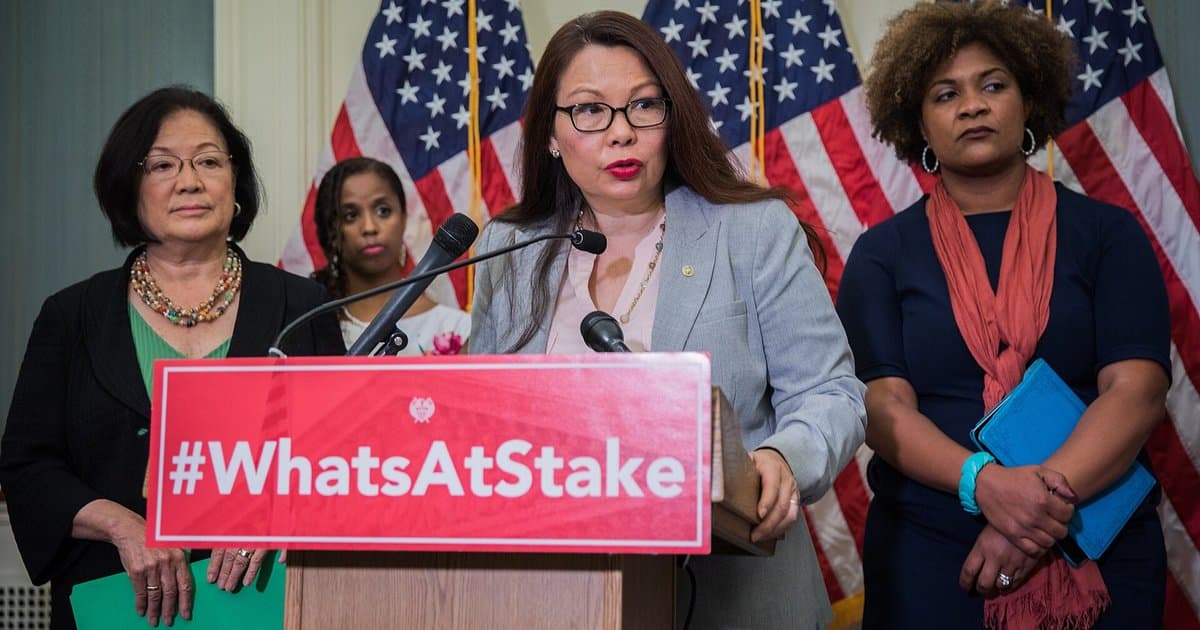
What Is at Stake When the Supreme Court Takes a Case
The Supreme Court hears fewer than one in a hundred cases it is asked to take. A look at how that choice is made and why the few it accepts...

What Really Rides on the Census Every 10 Years
A single population count sets congressional seats, electoral votes, and how roughly 1.5 trillion dollars a year is shared.

The Debt Ceiling Doesn't Do What Most People Think
Every couple of years it returns and the country tenses up. Most people think raising it means spending more. The truth is narrower and...