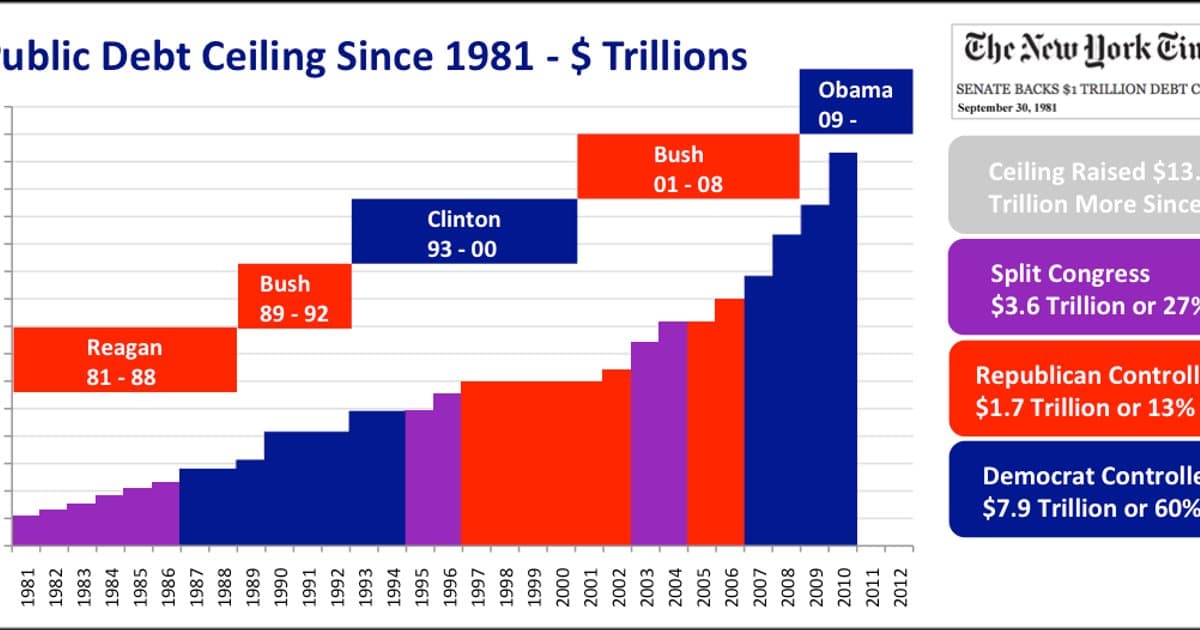
The debt ceiling is a legal cap on how much the federal government is allowed to borrow. Congress sets that limit, and the Treasury cannot go past it without permission. The cap covers money owed to bondholders and money the government owes itself through trust funds. It does not decide how much the country spends, since that is set separately through budget and spending laws. That split is the first thing most people get wrong about it. Spending is one decision, and borrowing to cover past bills is another.
This is the point that trips up almost everyone. The ceiling is not a limit on future spending, it is a limit on paying for spending Congress already approved. Lawmakers first pass laws that require money to go out the door. When tax revenue does not cover all of it, the Treasury borrows the rest. The ceiling caps that borrowing, even though the bills it covers are already owed. So raising the limit does not authorize new spending, it lets the government pay for choices already made.
When borrowing nears the cap, the Treasury cannot simply issue more debt. To buy time, it uses accounting steps often called extraordinary measures. These shuffle funds between accounts to keep paying the bills for a while. That window can last weeks or months depending on how much cash is coming in. Eventually the measures run out and the country reaches what is called the X date. At that point the government would not have enough money to cover everything it owes.
A great many people would feel the effects if the limit were breached. Federal workers and members of the military could see delayed pay. People who rely on Social Security, veterans benefits, or Medicare could face interruptions. Contractors and programs that depend on federal dollars would be caught in the gap. Because the government touches so many corners of daily life, the strain would spread quickly and unevenly. Working families and communities that live close to the margin would feel it first and hardest.
The damage would not stop at direct payments. United States debt has long been treated as one of the safest assets in the world. A missed payment would shake that trust and could push interest rates higher across the board. That means costlier mortgages, car loans, and credit cards for regular people. Even the fear of a breach can rattle markets and raise borrowing costs before any deadline hits. So the effects can reach households that never think about federal accounting at all.
The country has never actually defaulted because of the ceiling. Congress has raised or suspended the limit many times over the decades under both parties. The votes are often tense and go down to the wire, which is why the topic keeps returning to the news. In 2011, a close standoff led a major agency to lower its rating of United States credit for the first time. No default occurred, yet the drama alone carried a cost. History shows the limit is usually lifted, but not without strain.
For anyone trying to follow this, a few signals help. Watch for the Treasury Secretary to send Congress a letter naming a projected X date. Watch whether leaders are talking or dug in as that date nears. Pay attention to short term swings in the bond market, which often reacts before the public does. These markers tell you whether a deal is close or whether the standoff may drag on. None of them require special access, since they show up in plain news coverage.
The debt ceiling is easy to misread because its name suggests a spending limit when it works more like a borrowing cap on old bills. Knowing that difference helps you cut through a lot of noise when the fight flares up. The stakes are real for paychecks, benefits, and interest rates, which is why the topic returns again and again. The mechanics stay the same even as the players change. Understanding them lets you judge the news on facts instead of heat. That clarity is worth more than any single side of the argument.