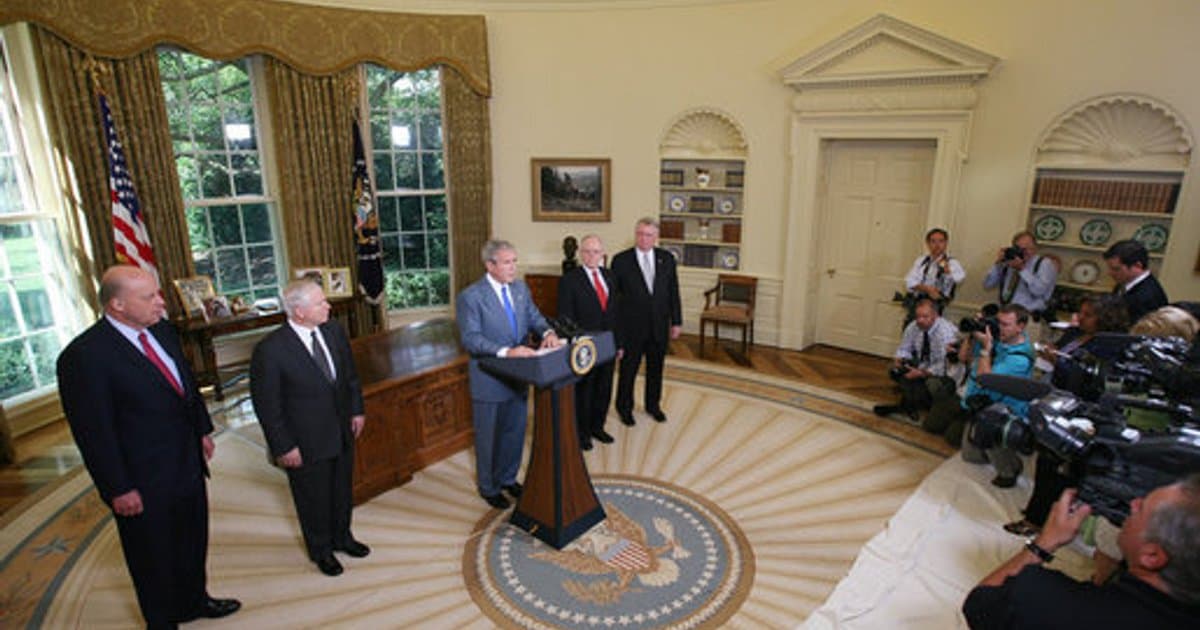
Every so often a president signs a document at a desk, holds it up for the cameras, and the country reacts as if the law itself just changed. Supporters cheer, critics warn, and a lot of people assume a signature can rewrite the rules of the nation overnight. Executive orders carry real weight, but they are far more limited than that image suggests. Understanding what they can and cannot do is basic civics, and it cuts through a lot of the noise. This is not about whether any single order is good or bad. It is about the machinery, the actual reach of the tool, no matter who holds the pen.
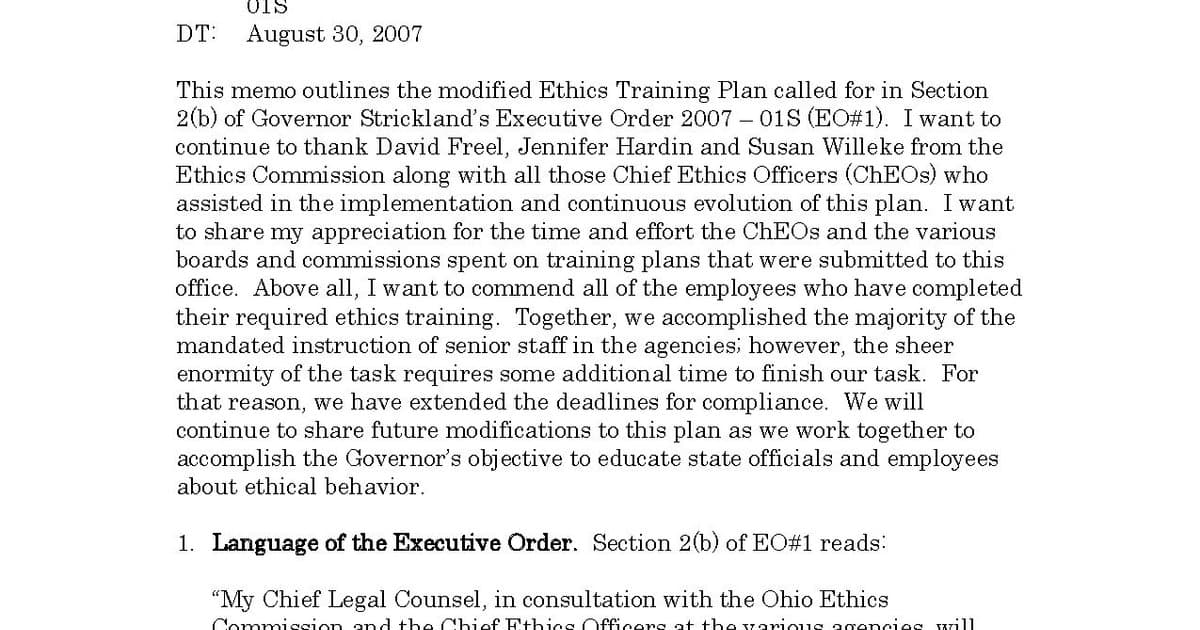
Start with what an executive order really is. It is a written directive from the president to the federal executive branch, the sprawling set of agencies that carry out the law. In plain terms, it is the president managing the parts of the government under presidential control. An order might tell an agency how to enforce an existing statute, set a priority, or organize an internal process. It is binding on those agencies, and in that sense it has the force of law. But that force runs through the executive branch, not across the entire government. The order commands the people the president already directs.
The key question with any order is where its power comes from. A president cannot simply invent authority out of thin air. Every valid executive order has to rest on one of two foundations. The first is the power the Constitution grants the president directly, such as the role of commander in chief. The second is authority that Congress has handed to the executive branch by passing a law. If an order strays beyond both of those sources, it stands on nothing. That is the line that separates a lawful directive from an overreach.
This is why the list of things an order cannot do is so important. An executive order cannot create brand new law on its own, because writing law is the job of Congress. It cannot spend money that Congress has not approved, since the power of the purse belongs to the legislature. It cannot override a statute already on the books, and it cannot violate the Constitution. A president who wants to do any of those things needs Congress, not a pen. When an order tries to reach past its limits, it becomes a target for challenge. And there are three separate ways that challenge can land.
The first check is the courts. Anyone with standing can sue, and judges can strike down an order that exceeds the president's authority. This has happened many times across history, to presidents of every party. The second check is Congress. Lawmakers can pass a statute that cancels an order, or they can refuse to fund the actions it calls for. The third check is time itself. An executive order is not permanent, and the next president can revoke it with a signature of their own.
That last point explains a pattern you may have noticed. Major policies built entirely on executive orders tend to swing back and forth with each new administration. Because an order can be undone as easily as it was made, it offers speed but not durability. A law passed by Congress is much harder to reverse, which is why lasting change usually runs through the legislature. Orders are a fast tool, not a settled one. Anyone counting on one to hold for decades is often disappointed within a few years.
Executive orders are not new, despite how modern the fights over them can feel. Presidents have issued directives since the earliest days of the republic, starting with the first administration. The government began formally numbering them in the early twentieth century, and thousands have been issued since. They have been used for everything from routine housekeeping to major turning points in the country's history. Some reorganized how agencies run, while others shaped how existing laws would be carried out on the ground. A few became landmarks that people still study today, and many more were quiet and technical enough that almost no one noticed them. The sheer volume shows how normal the tool is inside the daily work of government. The tool itself is old and ordinary. What changes over time is how often and how aggressively presidents reach for it.
So the next time a signing makes headlines, you can read it with a clearer eye. Ask what legal authority the order claims, whether it directs agencies or tries to make new law, and whether it can survive a court. Notice whether it rests on a real statute or leans on a stretch. None of this tells you if an order is wise, and that debate belongs to the voters. But it does tell you what the paper can actually accomplish. A signature commands the executive branch. It does not, by itself, command the nation.