Most people picture lawmaking as a single dramatic vote. An idea gets proposed, the chamber raises its hands, and a new law exists. The real path a bill travels through a state legislature is far longer and far quieter than that image suggests. Along the way there are many points where a bill can stall, get rewritten, or quietly die without a single headline. Understanding the actual route matters, because the law that eventually lands on residents started as an idea that survived a long obstacle course. Knowing where the real decisions happen is the difference between watching the process and being able to affect it.
It begins with an idea and a sponsor. A bill can grow out of a lawmaker's own priority, a request from constituents, or a proposal pushed by an outside group. A legislator agrees to sponsor it and the idea gets drafted into formal legal language, which is harder than it sounds. The exact wording shapes who the law touches and how, so this drafting stage already carries real weight. Once written, the bill is introduced and assigned a number, which makes it official but does not make it close to passing. At this point it is one of hundreds competing for attention in a session that only lasts so long.
The committee stage is where most bills live or die, and it gets almost no public notice. After introduction, a bill is sent to a committee that focuses on its subject, and the committee chair decides whether it gets a hearing at all. Many bills never get that hearing and simply expire when the session ends, killed by silence rather than a vote. The ones that do advance face questions, testimony from supporters and opponents, and often amendments that change the text. A bill can enter a committee as one thing and leave as something noticeably different. This room, far from the cameras, is where the real shaping happens, and it is where public input has the most direct effect.
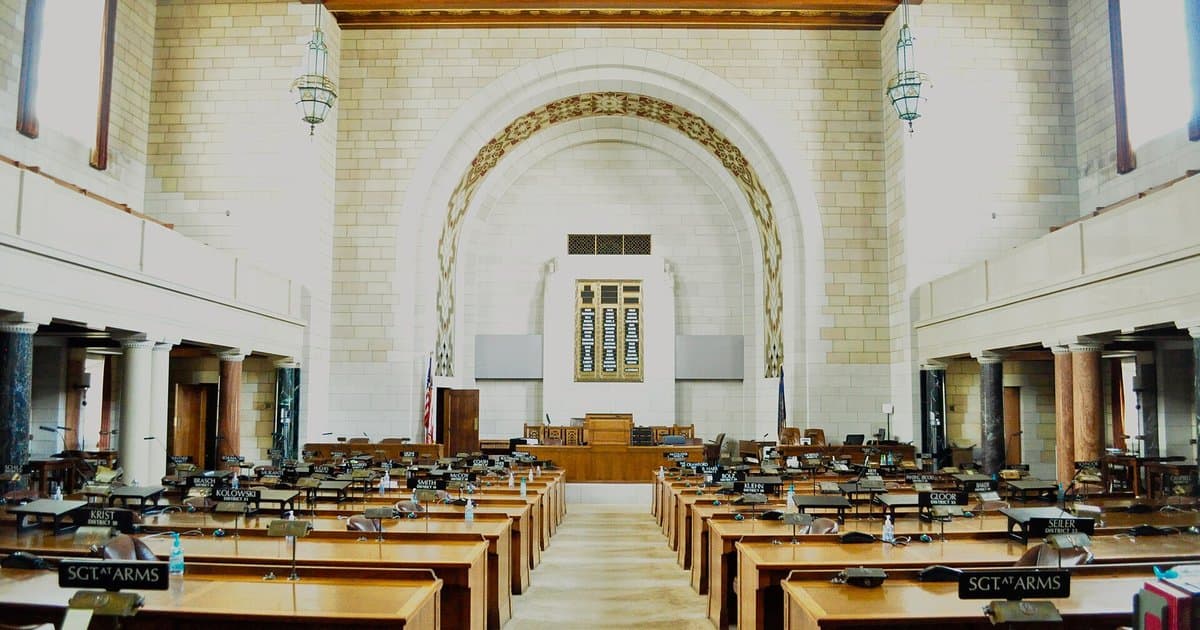
If a bill clears committee, it moves to the full chamber for debate and a vote. Lawmakers can propose more amendments on the floor, argue over the details, and shift the bill again before anyone votes. A majority sends it forward, but that is only half the journey, because most states have two chambers. The bill then has to repeat the entire process in the second chamber, from committee through floor vote, with a fresh chance to fail at every step. If the two chambers pass different versions, members from both sides have to meet and reconcile the differences into a single text. Only a bill that survives all of that in identical form moves on.
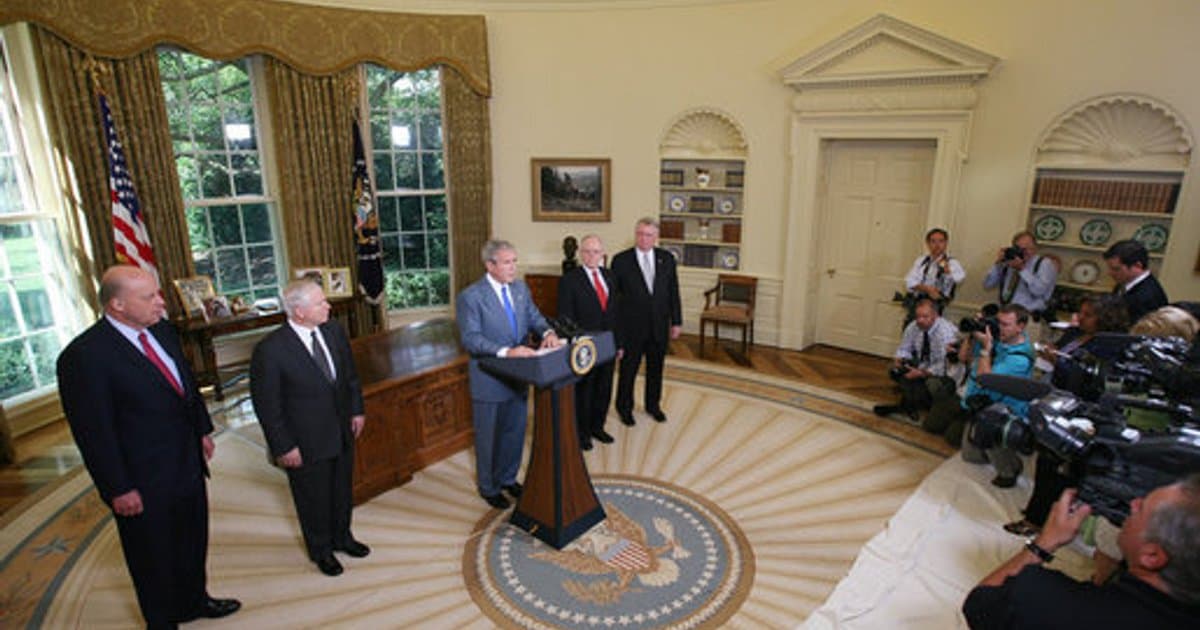
The final step is the governor. Once both chambers pass the same version, the bill goes to the governor, who can sign it into law or reject it with a veto. A veto is not always the end, since legislatures can sometimes override it with a larger majority, though that bar is high and rarely cleared. If the governor signs, the bill becomes law, but even then it may not take effect immediately. Many laws include a future start date, giving agencies and the public time to prepare. So the moment of signing, which often gets the photo, is really the last step of a long chain rather than the whole story.
Why does the route matter to everyday residents? Because each stage is a place where ordinary people can push, and most of those places get ignored. By the time a final vote makes the news, the important decisions have usually already been made in committee weeks earlier. Calling a representative while a bill sits in committee carries more weight than reacting after it passes. This is especially true for working families and immigrant communities, whose concerns are easiest to raise before the language is locked. The process is slow on purpose, and that slowness is an opening. Knowing where the real choices happen turns a confusing system into one a citizen can actually engage.