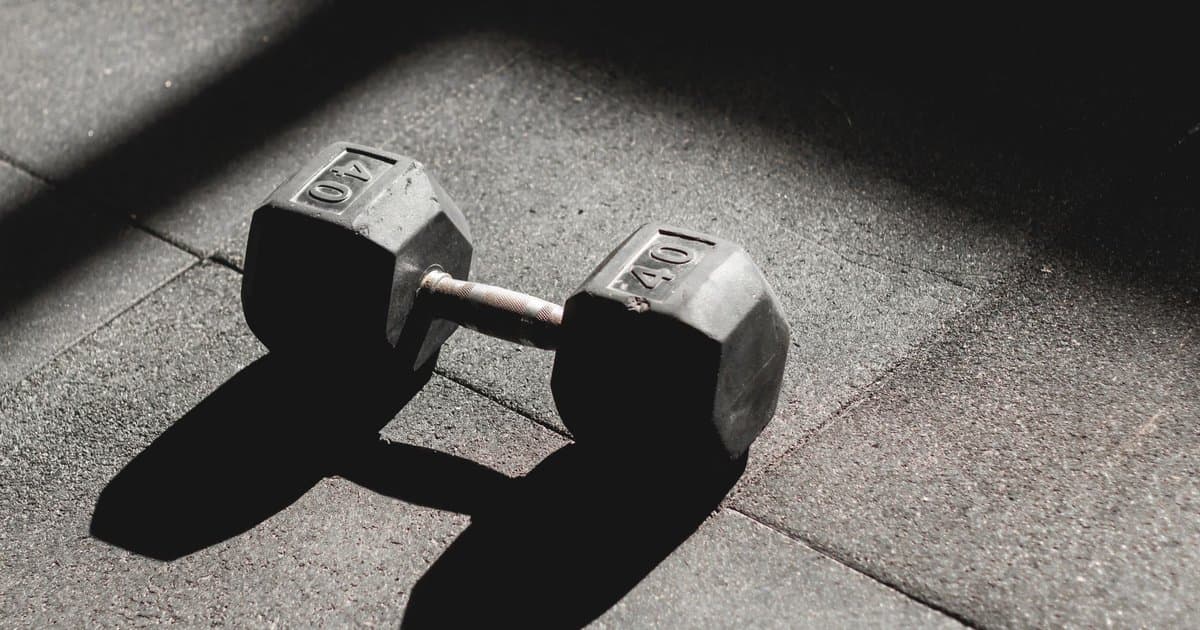
You log 225 on the bench and treat it as a fixed fact. Two weeks later the same 225 at a different gym feels heavier, and the easy explanation is sleep, stress, or a bad day. Sometimes that is true. Often the number itself was never as exact as it looked. Bars, plates, and machines all carry tolerances, and the equipment in a commercial gym is not built to laboratory standards. Once you know where the slop lives, a lot of unexplained sessions stop being mysterious. None of it is large enough to ruin a program, but it is large enough to explain a bad week you were about to blame on yourself.
Start with the bar, because the assumption there is nearly universal. People say a bar weighs 45 pounds, and many do. But most bars sold worldwide are made to metric standards, so a 20 kilogram bar is 44.09 pounds, not 45. Womens bars are 15 kilograms, which is about 33 pounds, and they are often racked next to standard bars without a label. Technique bars, thin fitness bars, and older gym bars can run anywhere from 25 to 45 pounds. If you are training at three facilities, you may be using three different starting points and calling all of them 45.
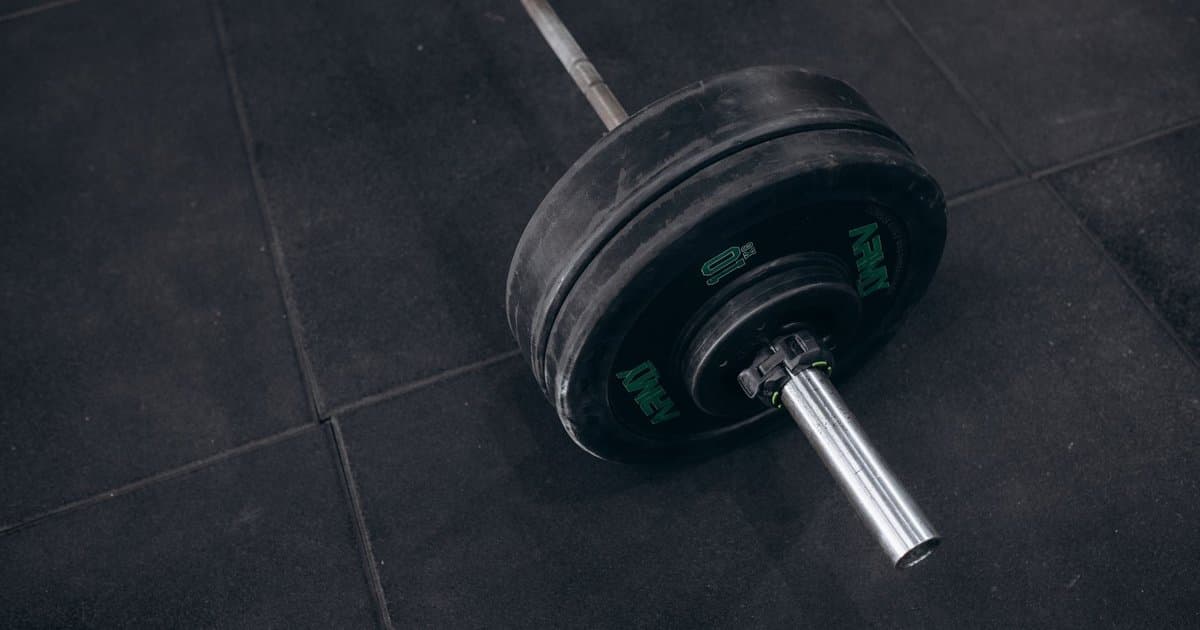
Plates carry their own margin and it is wider than people expect. Cast iron plates are usually made to a tolerance of a couple percent, which on a 45 pound plate means roughly a pound in either direction. Bumper plates are typically tighter but still not exact. Competition calibrated plates are certified within a few grams, which is precisely why they cost several times more than the ones on a standard gym rack. Stack up four plates a side with ordinary tolerances and the total can be off by several pounds. That is not a scandal, it is manufacturing, and it only matters when you treat the number as truth. Older plates that have been dropped, chipped, and repainted a few times drift further from what is stamped on the face.
Machines are where the gap gets large enough to change training decisions. On a Smith machine, the bar rides on rails and most models include a counterbalance system, so the effective starting weight is often far below 45 pounds and varies widely by brand. Some are close to 15 pounds and some are heavier, and the manufacturer rarely prints it anywhere visible. Cable machines add a different wrinkle, since pulleys change the ratio between the stack and what your hand feels. A single pulley setup may deliver close to the stack number while other configurations deliver roughly half. So 100 on one cable column is not 100 on another.
Selectorized plate stacks add a third source of drift. Many stacks are labeled in increments that were rounded when the machine was built, and add on top weights get swapped or lost over years of use. Pins get bent, plates get chipped, and the printed decal fades into a guess. Older machines also develop friction in the guide rods and bushings, which changes the resistance without changing the label. None of this makes machines useless. It makes machine numbers local to that specific machine, in that specific room, on that specific stack.
The practical response is not to chase precision, which would be exhausting and pointless. It is to change what you compare. Progress lives in the trend inside one gym on one piece of equipment, not in the absolute number you carry between buildings. Weigh the bar once at each place you train regularly and write it down in your notes. When you travel or switch facilities, expect a small shift in what the same load feels like and do not read it as regression. If a lift moves five pounds in either direction after a gym change, equipment is a likelier explanation than fitness.
There is a wider lesson under this, and it applies past the weight room. Numbers feel objective because they are printed, and printing hides the tolerance behind them. The bar, the plates, the cable ratio, and the stack decal are all approximations that everyone treats as exact. That is fine as long as you use them the way they work best, as a consistent reference against yourself over time. Track reps, sets, range of motion, and how the last rep felt alongside the load. Those together tell you far more than a stamped number ever will, and they keep you from rebuilding a whole program around a discrepancy that came from a counterweight.