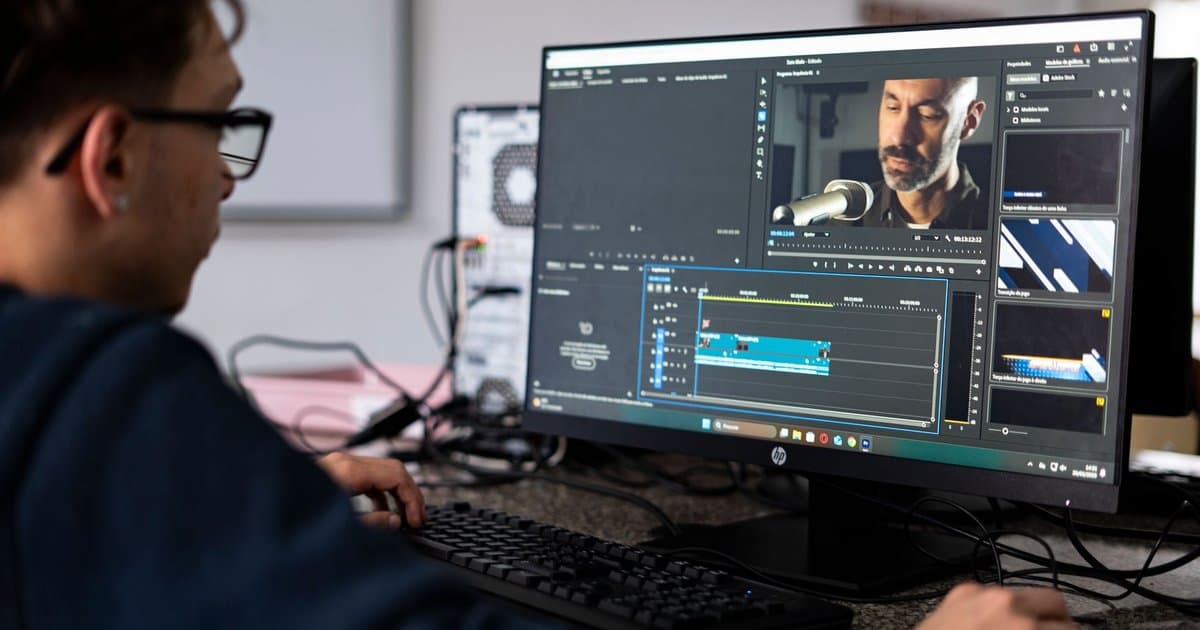
Most people think the hard part of making a video is the shoot. They picture the camera, the lights, and the moment everyone shows up to perform. That part is real and it matters, but it is the smallest slice of the work. The truth is that what happens after the camera stops takes far longer than what happens while it rolls. For a single finished piece that runs a few minutes, the editing, color work, audio cleanup, and rounds of revision can stretch across days. The visible part is just the tip. The rest sits underwater where nobody claps for it.
Start with the footage itself. A short final cut almost always comes from many times its length in raw material. Someone has to watch all of it, label it, and decide what survives and what gets cut. That sorting alone can eat an entire afternoon before a single real edit is made. Then comes the assembly, where clips get trimmed to the frame and arranged so the story moves without dragging. Each of those choices is small, but there are hundreds of them, and they add up to hours that never show on the screen. By the time a rough cut exists, more time has passed than the shoot ever took.
Audio is the part nobody notices until it is wrong. A room hum, a chair creak, or a line that lands a beat too late can quietly pull a viewer out of the moment. Fixing it means listening to the same ten seconds over and over until it sits clean. Color work runs the same way, because skin tones, shadows, and the balance between shots have to match or the whole thing feels cheap. None of this is loud or dramatic. It is patient, repetitive labor that decides whether the final piece feels finished or feels rushed. Viewers cannot name what is wrong when this work is skipped, but they feel it and they click away.
Revisions are where the timeline really stretches. A client watches the first cut and asks for changes, and those changes ripple outward in ways nobody expects. Move one section and the music no longer lines up, so the music has to be rebuilt. Swap a single clip and the color no longer matches, so the color has to be redone. People assume edits are quick because the change they requested sounds small, but small asks often touch everything downstream of them. This is the part that surprises new creators most, and it is the part that separates the people who quit from the people who last. The work does not get easier with each round. It gets more delicate, because now there is something finished to protect.
There is also the work that has no name and shows up on no invoice. Files have to be backed up in more than one place so a dead drive does not erase a week. Footage has to be organized so the next person can find a shot months later without guessing. Software updates break old projects, so settings get checked before anything important opens. Deliverables have to be exported in the right size for the right platform, and the wrong setting can make crisp footage look soft. None of this is glamorous and none of it is optional. It is the quiet maintenance that keeps a small operation from collapsing under its own output.
So why does any of this matter to someone who never touches a camera? Because the same pattern shows up in almost every kind of skilled work. The performance everyone sees is held up by unglamorous hours that nobody sees. The report, the meal, the song, and the closed deal all rest on preparation and cleanup that never make the highlight reel. When you only respect the visible part, you misjudge how long real work takes and you underpay the people who do it. Understanding what happens after the camera stops is really about understanding where value actually comes from. The finished thing looks effortless because someone made the effort invisible on purpose, and that choice is the whole craft.