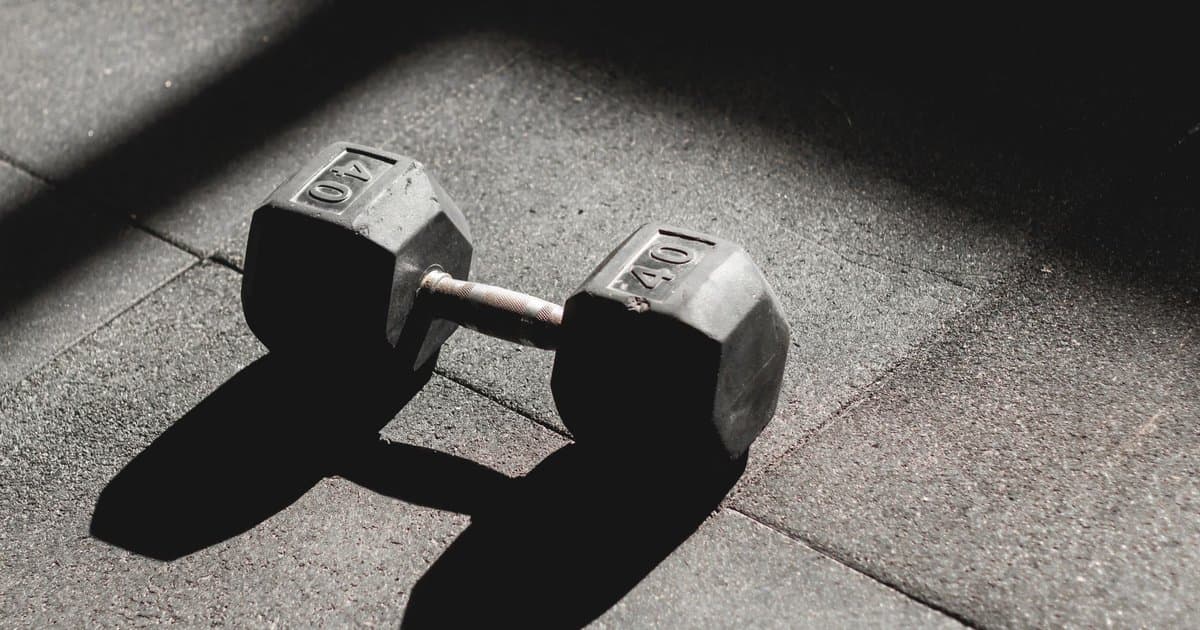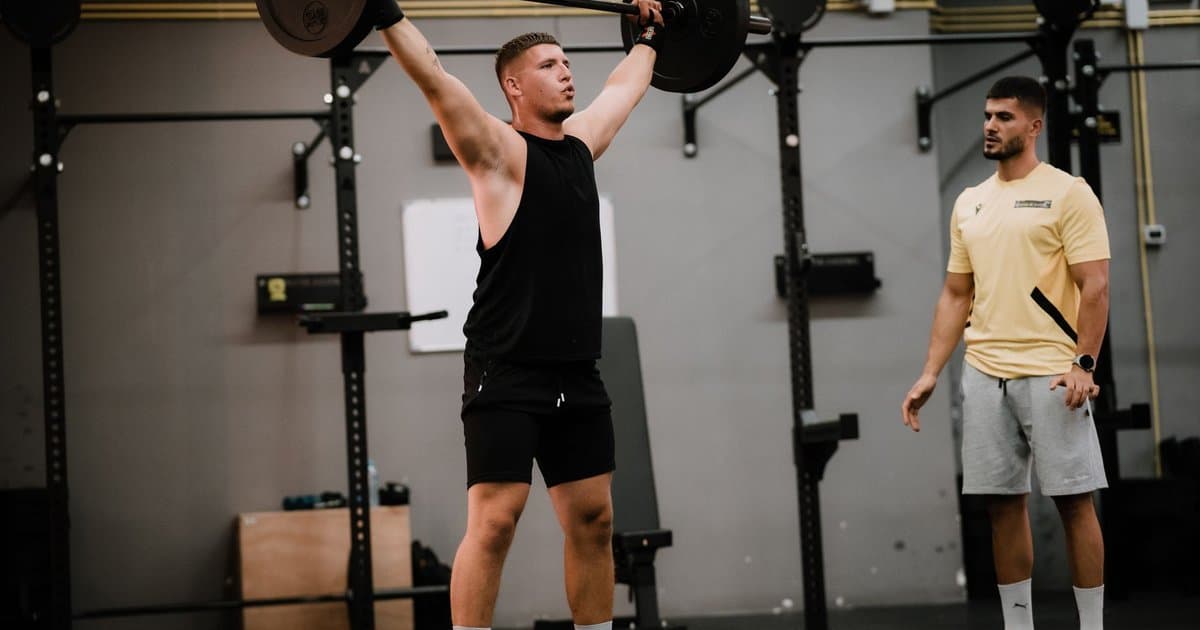
Most people walk into a gym believing one rule above all others. If you want to get bigger, you have to lift heavy. Light weight is for warmups, for older folks, for people who are scared of the real work. That belief runs deep, and it shapes how millions of people train. It also happens to be wrong in a way that surprises almost everyone who hears it. Muscle does not know how many pounds are on the bar. It only knows how hard it is being pushed, and how close you take it to the edge.
The clearest work on this came out of a lab at McMaster University in Canada. Researchers took two groups of trained men and split them by load. One group lifted heavy, in the range of five to ten hard reps. The other lifted light, in the range of twenty to twenty five reps. Both groups trained each set until they could not do another clean rep. After twelve weeks, the two groups had built almost the same amount of muscle. The heavy group got a bit stronger, but the size gains matched.
The reason comes down to a word called effort. When you take a set close to failure, your body has to call on nearly all of the muscle fibers it has. With heavy weight, the big fibers fire right away because the load demands it. With light weight, the smaller fibers tire out first, and then the big ones step in near the end. Either way, by the last few reps, the same fibers are doing the work. The muscle gets the same order to grow, just by a different road. Growth is a response to that near maximal effort, not to the size of the number itself. Once you see that clearly, the idea of heavy being the only way falls apart.
There is one honest catch here, and it matters. The light group had to work much harder to reach that point. Doing twenty five reps until failure burns. Your lungs work, your muscles scream, and the last five reps feel like a fight. Many people quit long before they ever reach real failure, which is exactly why they think light weight does nothing. They stop when it gets uncomfortable, not when the muscle is truly done. The load was never the problem. The effort was. Real failure is a specific place, the point where one more honest rep is simply not there. Reaching it with light weight takes a patience that most people never give.
This changes things for a lot of people. If your shoulder hates heavy pressing, you can go lighter and still grow. If you train at home with a couple of small dumbbells, you are not stuck. If you are coming back from an injury, you have a safe path forward. Older lifters who cannot load their joints hard still have a real option. The point is that muscle growth is not locked behind a heavy barbell. It is open to anyone willing to push. That freedom matters most for the people who were told the gym had nothing left for them. It turns out it had plenty all along.
One thing does still favor heavy weight, and it is worth saying plainly. If your goal is raw strength, the ability to move a huge load one time, heavy training wins. Lifting heavy teaches your nervous system to produce force fast. Light weight builds the muscle but not that same peak skill. So a powerlifter still needs the big numbers on the bar. A person who just wants to look strong and feel strong has far more freedom than they were ever told they had.
So how do you use this. Pick a weight you can move for anywhere from six to thirty reps, and take most of your sets to within a rep or two of failure. That last part is the real work. You can mix it up, heavy on some days and lighter on others, and your body responds to both. Rest enough between sets so your effort stays high. Track whether you are adding weight or doing more reps over time, because that steady climb is the true sign of progress. Give each muscle a couple of honest sessions a week and let the work pile up over months. The body rewards patience far more than it rewards a single hard day.
The takeaway is freeing once it sinks in. You are not failing because the weight is not heavy enough. You are falling short when you stop before real effort. The number on the dumbbell matters far less than how honestly you push each set. That is good news for your joints, your schedule, and your patience. Train hard, take your sets close to the edge, and let the weight be whatever your body can handle that day. Consistency and effort will carry you further than ego ever could.