You buy a shirt that feels great in the store, and within a year it has pilled, faded, and lost its shape. It is easy to chalk that up to bad luck or cheap luck of the draw, but there is a real reason behind it, and once you see it you cannot unsee it. The way clothes are made and the way most of us wash them have both shifted in ways that shorten the life of nearly everything in your closet. The good news is that both causes are within your control. You can buy better and wash smarter, and the difference shows up in how long your clothes last.
The first culprit is the fabric itself, and specifically the rise of cheap synthetic blends. A lot of clothing now is built from polyester, rayon, and thin cotton blends chosen because they are inexpensive to produce, not because they hold up. These fabrics feel soft when new but break down quickly. They pill because short, weak fibers work loose and tangle on the surface. They thin out because the weave is loose to keep costs down. When you turn a garment inside out and the fabric feels papery or you can almost see through it, you are looking at something built to last a season, not years. The price tag often hides this, because a high price does not guarantee good fabric.
Learning to read a garment before you buy it is the single biggest upgrade you can make. Check the fiber content on the tag, and favor higher percentages of natural fibers like cotton, wool, and linen for everyday pieces, since they tend to wear in rather than wear out. Feel the weight of the fabric, because heavier usually means a denser, more durable weave. Check the seams by tugging gently, looking for tight, even stitching rather than loose threads and puckering. Hold it to the light to see how tight the weave is. None of this takes long, and it tells you more about how a piece will age than the brand name ever will.
The second culprit lives in your laundry room, and it surprises people. Washing and drying are brutal on clothes, far more than wearing them. Hot water breaks down fibers and sets stains, the dryer's heat and tumbling shrink fabric and shake loose the very fibers that become lint, and that lint is literally your clothes disintegrating in real time. Over washing is the quiet killer. Most people wash garments far more often than they need to, and every cycle takes a small toll that adds up fast. The clothes are not wearing out from use nearly as much as they are wearing out from the machine.
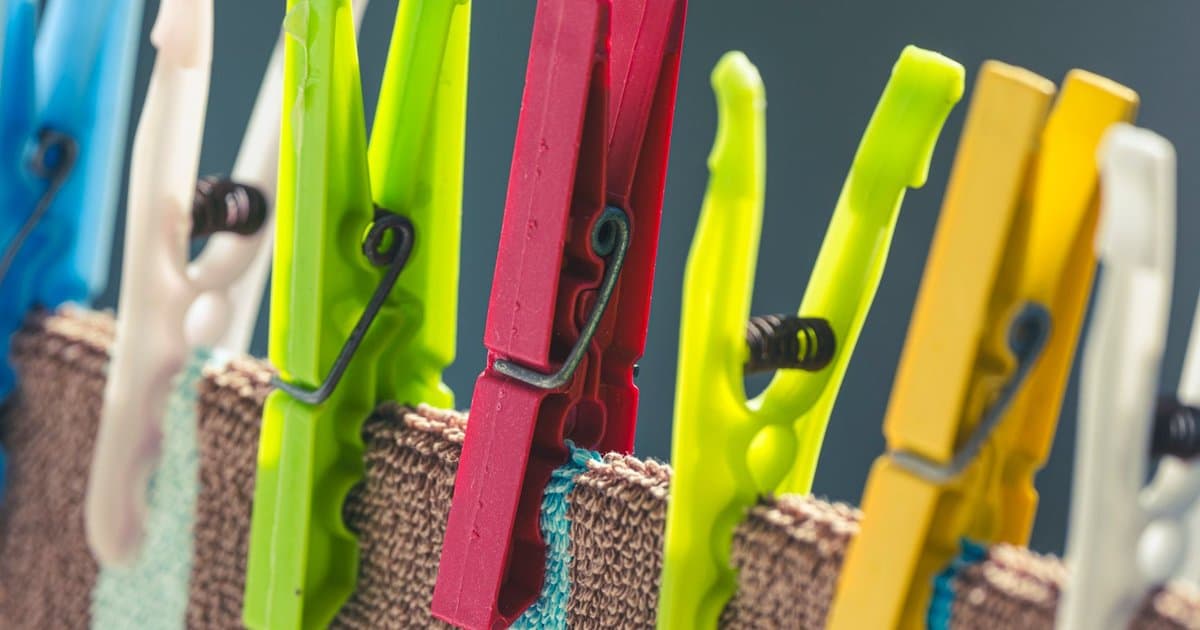
Changing how you wash is almost free and it works immediately. Wash less often, since most items worn for a few hours are not actually dirty and can be aired out and worn again. Use cold water, which cleans well for everyday loads and is far gentler on fibers and color. Turn clothes inside out to protect the outer surface from abrasion. Most importantly, skip the dryer for anything you care about and hang it to dry instead, because the dryer does more damage than any other single step in the process. These four changes alone can double the life of a garment, and they cost nothing but a little patience.
There is a label that confuses people and deserves a mention, which is the dry clean only tag. A lot of items carry that label as a manufacturer's way of avoiding liability, not because the fabric truly requires it. Sturdy items like wool sweaters and many silk blends can often be hand washed cold and laid flat to dry without harm. True structured pieces like tailored blazers do belong at the cleaner, but treat the tag as the most cautious possible advice rather than an absolute rule. When in doubt, test a hidden corner before committing. Hand washing what you can saves money and is often gentler than the chemicals at the cleaner.
Caring for clothes also means small repairs and storage habits that most people skip. A loose button sewn back on, a tiny seam fixed before it runs, and a sweater folded instead of hung so it does not stretch all extend the life of a piece for almost no effort. Storing knits flat, giving shoes a day to dry between wears, and keeping wool away from moths are the kinds of small moves that quietly add years. The mindset shift is treating clothes as things you maintain rather than things you replace. That shift saves real money over time.
Put it all together and a pattern emerges. Buy fewer pieces made of better fabric, wash them less and gentler, skip the dryer, and handle small repairs before they grow. The clothes that wear out in a year are usually the ones bought for the lowest price and run through the hottest cycle the most often. Reverse both habits and the same closet starts lasting for years. The fast wear was never bad luck. It was the fabric and the laundry, and both are yours to fix.