Watch a polished video next to a homemade one and the difference is obvious within seconds, even if you cannot name it. The professional footage feels rich and intentional. The amateur footage looks slightly flat, a little green or a little blue, with skin tones that seem off in a way you can sense but not explain. Most people credit this to the camera, and they go online to research which expensive body and lens will close the gap. They are looking in the wrong place. The biggest visible difference usually comes from something that happens long after the camera is put away.
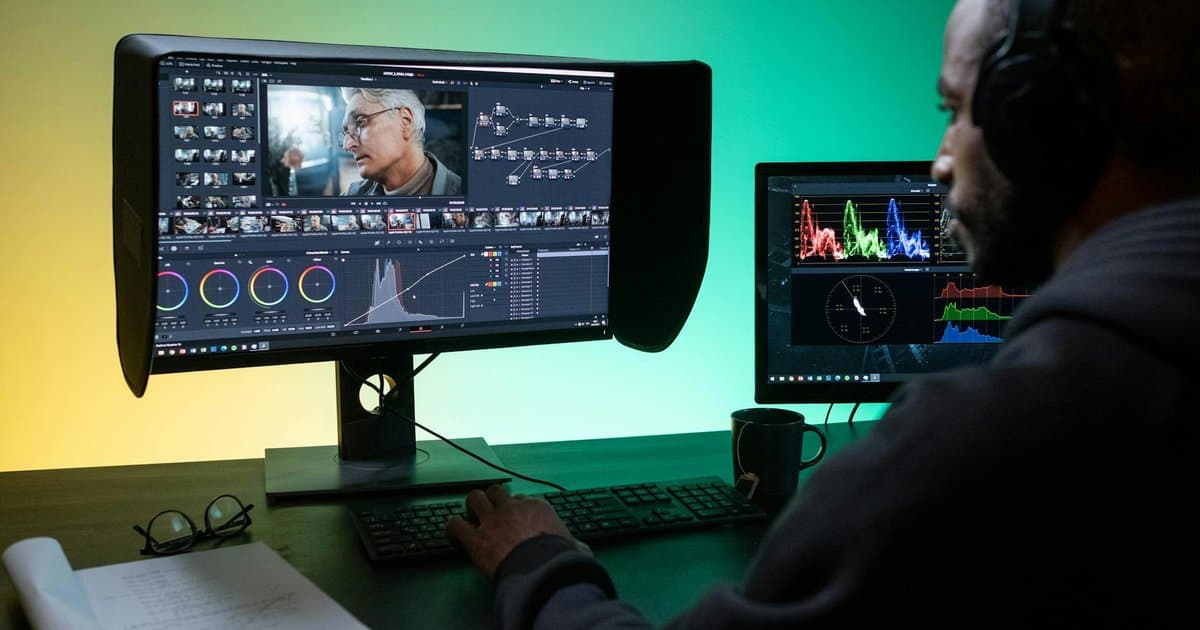
That something is color grading, the process of adjusting the color and contrast of footage after it is shot. Footage straight out of a good camera is often deliberately dull, captured in a flat profile that preserves as much information as possible. It is not meant to look finished. It is raw material, the way uncooked ingredients are not a meal. A professional takes that flat footage and shapes it, setting the right brightness, balancing the color so white actually looks white, and then pushing a mood into the image. The amateur skips this entirely and posts the footage as it came off the card, which is why it looks unfinished even when the shot itself was good.
The first half of grading is the unglamorous part, and it is the part beginners ignore. Before any creative look, you correct the image so it is technically right. You fix the exposure so the picture is neither too dark nor blown out. You balance the color temperature so the scene does not lean orange or blue by accident. You make sure skin tones land in the narrow range where human faces look healthy rather than sickly. This stage is not about style at all. It is about removing the small errors that make footage read as amateur, and it does more for the final look than almost any gear upgrade.
The second half is where the mood comes in, and it is what people usually picture when they hear the term. Once the image is technically clean, you can shape how it feels. A warm, slightly golden grade makes a scene feel intimate and nostalgic. A cooler, desaturated grade makes it feel serious or tense. A bright, punchy grade with clean colors fits something upbeat and commercial. These choices are why two videos shot on the same camera in the same room can feel like they belong to completely different worlds. The grade is a storytelling tool, not just a finishing polish.
What makes this encouraging for anyone starting out is that grading is a learnable skill, not a purchase. The software that professionals use has free versions that are more than capable, and the basic moves, exposure, balance, skin tones, and a simple mood, can be learned in an afternoon and refined over months. You do not need a new camera to make your footage look dramatically better. You need to stop treating the file off the card as the finished product and start treating it as the beginning of the work. The same clip that looked flat can look professional after twenty minutes of careful correction.
It is worth asking why the camera gets all the credit when grading does most of the visible work. Cameras are easy to compare, with spec sheets and numbers and reviews, so they feel like the lever you can pull with money. Grading is invisible until you learn to see it, and it lives in a stage of the process most beginners never reach. That is why someone can buy an expensive body, shoot in a flat profile they do not fully understand, and end up with footage that still looks amateur. If you are starting out, a simple workflow beats any gear purchase. Set your exposure and white balance first, get skin tones looking natural, then add a light mood and stop before you overdo it. Restraint matters here, because a heavy, oversaturated grade looks just as amateur as no grade at all.
So the reveal is a little anticlimactic, which is exactly why it is worth knowing. The thing standing between most people and footage that looks professional is not a five-thousand-dollar camera. It is a stage of the process they did not know existed and never learned to do. Shoot in a flat profile, correct the image properly, then grade it with intention, and ordinary footage starts looking like the work people assume came from expensive equipment. The camera matters less than the hour you spend after the shoot. That hour is where amateur footage quietly becomes something that looks like it belongs.