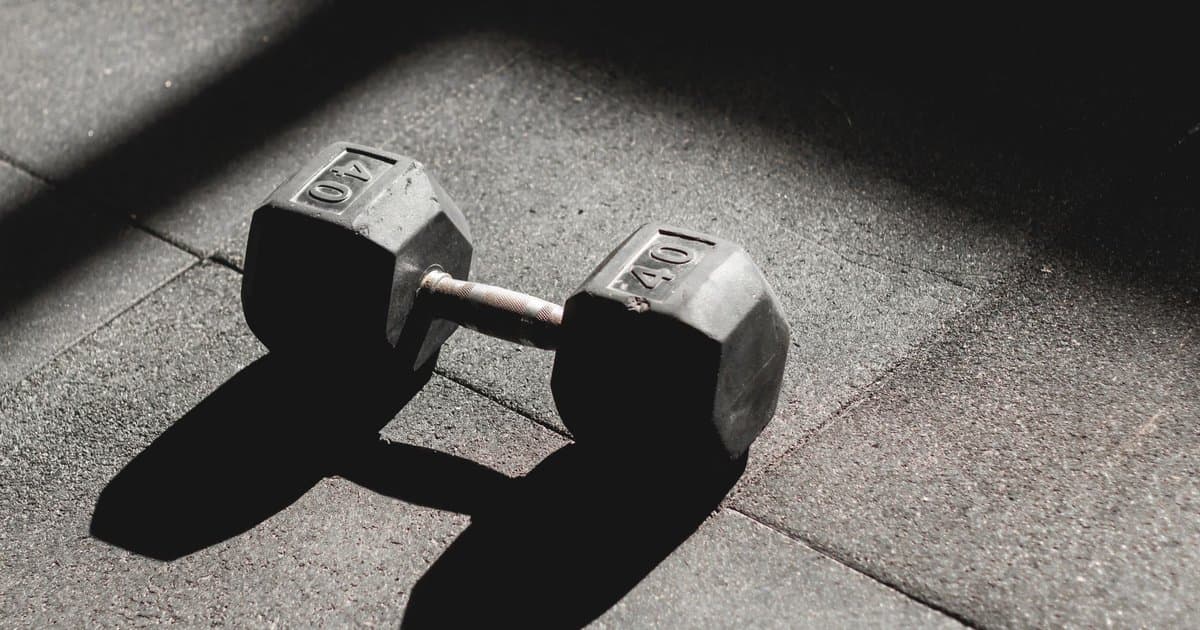
Walk into any gym and you will see the same scene play out a dozen times. Someone loads the bar with more than they can handle, drops into a quarter of a squat, bounces back up, and racks it with a look that says they just did something serious. The plates went up. The ego went up with them. But the muscle barely got touched, because the bar never traveled the distance that actually builds strength. This is the one mistake that holds back more lifters than any program flaw or supplement gap ever will. It is not laziness and it is not bad genetics. It is chasing the number on the bar instead of the quality of the rep.
The technical name for what builds a muscle is mechanical tension through a full range of motion. When you take a joint through its complete path under load, you recruit more muscle fibers and you create the stimulus that tells your body to adapt. When you cut the range short to add weight, you trade that stimulus for the appearance of strength. A half squat with 315 pounds looks impressive and trains very little. A full, controlled squat with 225 pounds looks modest and builds far more. The body does not respond to what the weight looks like to other people. It responds to the work it is actually forced to do.
Partial reps are not the only version of this mistake. Swinging the weight up with momentum, bouncing the bar off your chest on bench press, and using your lower back to heave a curl all do the same thing. They move the load using everything except the muscle you came to train. The reason this is so easy to fall into is that progress in lifting is usually measured by weight, so adding plates feels like the goal itself. But weight is only a proxy. The real goal is forcing a target muscle to do measurable work over time, and a heavier bar that you cannot control moves you further from that, not closer.
There is a real cost to ignoring this, and it shows up in two ways. The first is stalled growth. If you have been adding weight for months but your body looks and performs about the same, shortened range of motion is one of the most common reasons. You are progressing on paper while the muscle never sees a new challenge. The second cost is injury. A joint loaded near the end of its range with weight it cannot stabilize is a joint asking for a strain or a tear. Lifters who get hurt rarely do it on a clean, controlled set. They do it on the rep where they reached for a number their form could not support.
Fixing this does not require starting over, and it does not require lifting embarrassingly light forever. Start by picking weights you can move through the full range with control on every rep, including the last one in a set. If the final rep forces you to cut the range or jerk the load, the weight was too heavy for that set. Slow the lowering phase down, because the stretch under load is where a large share of the growth happens and it is the part most people rush through. Film a few sets from the side once a week so you can see what your reps actually look like instead of what they feel like. The camera does not flatter you the way your memory does.
The mindset shift underneath all of this is the hardest part. You have to be willing to let the weight on the bar drop in the short term so the right muscles can do the work and the long term progress can return. That feels like going backward, especially if other people can see your numbers. But strength built on full, honest reps compounds in a way that ego lifting never does, because every session is actually training the tissue instead of training your nervous system to cheat. Six months of controlled work will pass you right by the person who spent those months bouncing heavier weight through shorter ranges. The plates tell a story to the room. Your results tell the truth.