You buy decent beans, you follow the steps you read somewhere, and the cup still comes out sharp and bitter. Most people blame the beans or the machine, then go spend money on a new bag or a fancier brewer. The real problem is almost always over-extraction, and it usually starts with water that is too hot. When water sits at a rolling boil and slams into the grounds, it pulls the harsh, bitter compounds out right alongside the good ones. Coffee tastes its best when the water lands somewhere between 195 and 205 degrees, which is just off a full boil. That small gap of about thirty seconds after the kettle clicks off can change the entire cup.
It helps to understand what is actually happening inside the grounds while you pour. Roasted coffee gives up its flavors in a rough order as the hot water passes through it. The bright, sweet, and fruity notes come out first, the balanced middle comes next, and the bitter and dry compounds come out last. When the water is too hot or it sits on the grounds too long, you push straight past the good part and drag out that bitter tail. Grind size makes the same mistake worse, because a finer grind exposes more surface area and speeds the whole process up. A grind that works for espresso will choke a drip cone and turn the whole pot harsh.
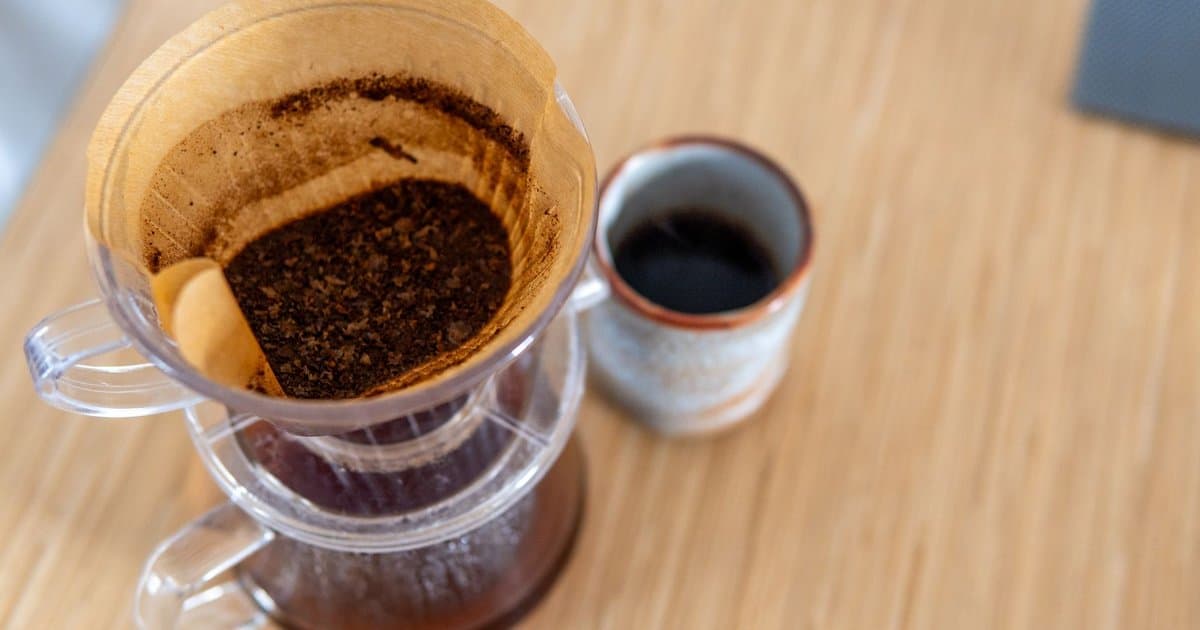
The fix costs nothing, and you can test it tomorrow morning. Start by letting the kettle rest for roughly thirty seconds after it boils before you begin pouring. If you grind your own beans, go a step coarser than you think you need, closer to coarse sea salt for a drip machine or a pour over. Match the grind to the method you are using instead of leaving one setting on for everything. Keep your brew time in a sane window, around three to four minutes for a pour over and a little less for a basic drip. Rinse paper filters with hot water before you add the coffee, so you are not tasting wet cardboard underneath every sip.
Stale beans are the other half of the story, and most people hold onto theirs far too long. Coffee starts losing its best flavor within a few weeks of the roast date, not the sell-by date stamped on the back of the bag. Buy smaller amounts more often, and keep them in an airtight container away from light, heat, and the stove. Skip the freezer unless the beans are sealed tight and you plan to leave them in there, because moisture and food odors creep in quickly. Clean your machine and grinder more often than you do now, since old coffee oils go rancid and add a stale, bitter edge to everything. Fresh beans and a clean setup give the rest of your changes something honest to work with.
Water quality is the part almost nobody checks, and it matters more than people expect. Coffee is mostly water, so whatever your tap tastes like will show up in the cup whether you notice it or not. Hard water full of minerals can mute the flavor, while heavily softened or distilled water can make coffee taste flat and lifeless. A simple filter pitcher is usually enough to clean things up without buying anything special. If your tap water tastes fine to drink cold, it will probably make fine coffee once the temperature and grind are right. You do not need lab-grade water, you just need to stop fighting your own faucet.
There is one last trap worth naming, and it is the habit of covering the problem instead of fixing it. When the coffee comes out bitter, the easy move is to pour in more milk, more sugar, or more syrup until the harshness hides. That works for a few minutes, but it trains you to drink around a flaw instead of correcting it. Slow the water down, open up the grind, respect how fast coffee gives up its flavor, and the bitterness mostly disappears on its own. Change one thing at a time so you can actually taste what each adjustment does. Most people fix the bitter cup in a single morning and never go back to blaming the beans, because the good cup was within reach the whole time.