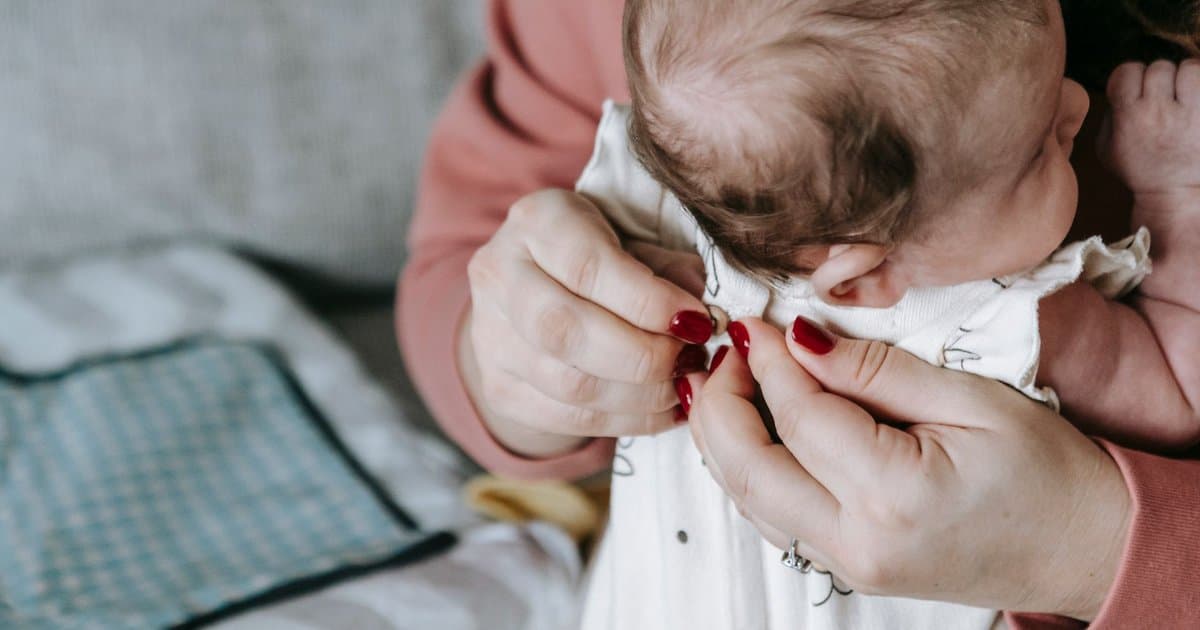
You tie the shoes because it is faster than watching small fingers fumble with the laces. You pack the backpack because you know they will forget the folder if you do not. You redo the chore quietly after they go to bed because it was not done right. Each of these choices is small, reasonable, and comes from a good place. No single one of them is a problem. But when you add them up across months and years, they start to send a message to your child that is very different from the love you intended to show.
Think about what a child actually learns in those moments. Every time we step in and handle something they could have handled themselves, we teach them a quiet lesson. The lesson is, you cannot do this, so I will do it for you. Psychologists have a name for what grows out of that pattern, and it is learned helplessness. Competence is not something children absorb by watching a capable adult move fast. It is built slowly through their own hands, through doing the thing badly, then a little better, then well. Take away the doing, and you take away the only path to the confidence.
Consider the specific skills that never get a chance to develop. Problem solving grows when a child faces a stuck zipper or a forgotten assignment and has to think their way out. Frustration tolerance grows when they sit in the discomfort of something hard and push through it anyway. Planning grows when they feel the natural sting of leaving the project until the last night. Recovering from a mistake grows only when they are allowed to make one. Struggle is not the obstacle to learning, it is the classroom, and a rescue that arrives too early empties the room before the lesson can begin. A child who is allowed to forget their homework once learns to check their bag the next morning without being told. A child who never faces that small consequence keeps outsourcing the responsibility to you, year after year. The lesson they miss is not really about the homework, it is about owning the outcome of their own choices.
It helps to be honest about why loving parents fall into this, because the trap is often strongest in the homes that care the most. Many parents, especially those who sacrificed a great deal or came to this country with very little, want their children to have a smoother road than they did. Watching a child struggle feels almost physically wrong when you have worked so hard to spare them pain. That instinct is deeply understandable and it comes from love. The hard truth is that a road with every bump smoothed out does not prepare a child for a world that will not smooth anything for them. The most loving gift is not a life without obstacles, it is a child who knows how to climb over them. That is especially true for families who want their children to carry the household further than they could, since resilience is the one thing that cannot be handed down finished. It has to be built inside the child, one solved problem at a time.
The bill for all of this tends to arrive later, which is what makes it so easy to ignore now. The young adult who never had to manage a deadline struggles to hold a job. The one who was never allowed to fail crumbles the first time they do. Children who are protected from every discomfort often grow more anxious, not less, because they never gathered proof that they can handle hard things. Real confidence is not built by being told you are capable. It is built by a stack of small moments where you did something difficult and survived it, and each rescue removes one of those moments from the pile.
Shifting the pattern does not mean stepping back all at once or leaving a child to sink. It means letting them do what they are genuinely capable of, even when it is slower and messier than your version. Give age appropriate responsibility and let them own it fully. Coach instead of rescuing, which means asking a question rather than fixing the problem, and letting natural consequences do some of the teaching. Let them be bored, be frustrated, and be wrong sometimes. The hardest part is not the child's discomfort, it is tolerating your own while you watch. That restraint, as strange as it feels, is one of the truest forms of love you can offer.