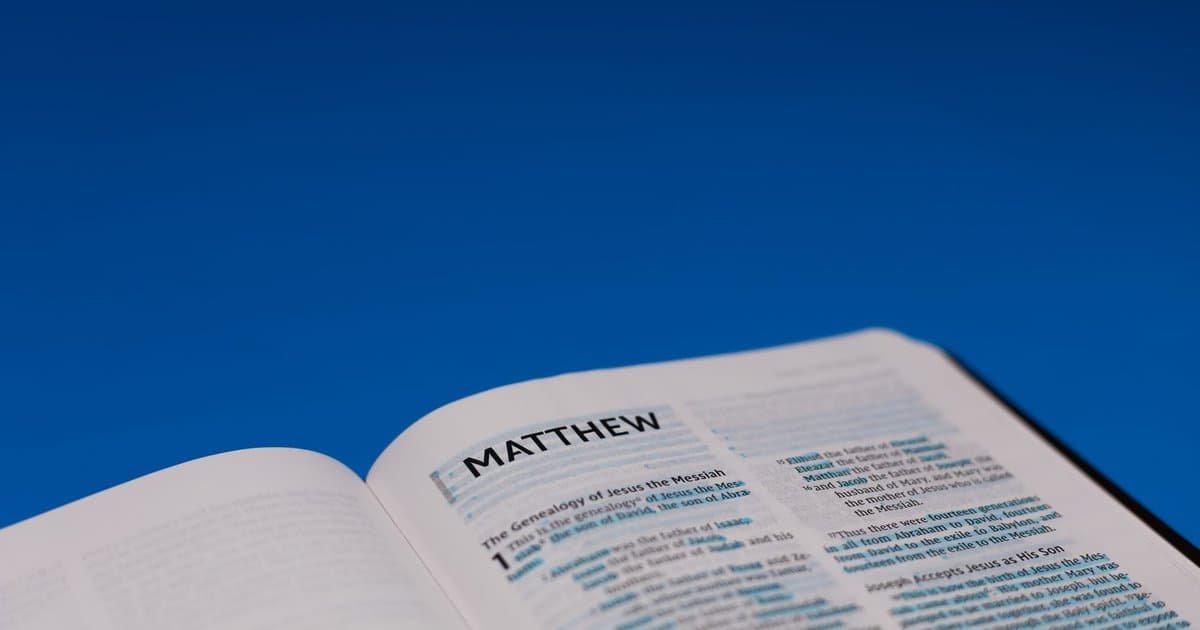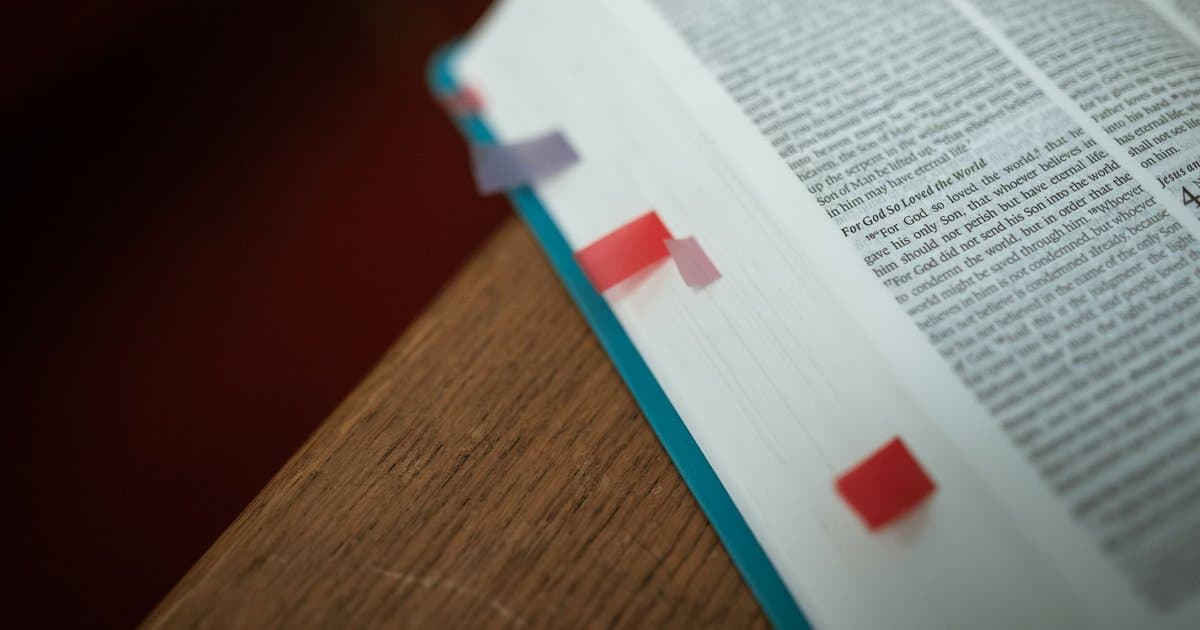
Most believers can recall a song lyric from twenty years ago but cannot quote three full verses of the Bible they read this morning. That is not a character flaw. It is a habit that simply stopped being taught. For generations, memorizing Scripture was as normal as learning the alphabet, something children did in church basements and adults carried into hospital rooms and prison cells and graveside services. Somewhere along the way we decided that owning a phone with a search bar made the practice unnecessary. The cost of that trade is bigger than most people realize, and the way back is simpler than they fear.
The argument against memorizing is always the same. Why bother when the entire text sits in your pocket? The answer is that a verse you have to look up is a verse you do not have when you need it most. The moments that test faith do not wait for you to find your phone, unlock it, and type. You are lying awake at two in the morning. You are sitting across from someone whose world just fell apart. You are the one whose world just fell apart. In those moments, the words that surface are the ones already living inside you, and if nothing is there, nothing surfaces. Memory is not about showing off. It is about having something to draw on when the well is dry.
There is also a quieter benefit that only shows up over time. When you memorize a verse, you are forced to slow down and actually inhabit it. You notice the word order, the small turns, the way one phrase leans on the one before it. You start to see things you skated past during a fast morning read. The text stops being background noise and becomes furniture in your mind, something you bump into during an ordinary afternoon and suddenly understand differently. People who memorize consistently almost always report the same thing. They did not just retain more. They understood more, because the act of holding the words still long enough to learn them taught them what the words meant.
So where do you start? Not with the longest passages or the ones that sound impressive. Start with the verses you are most likely to actually need. A short, practical list beats an ambitious one you abandon in February. Here is a first fifteen that covers the ground most lives walk across. For fear, Psalm 23 verse 4 and Isaiah 41 verse 10. For anxiety, Philippians 4 verses 6 and 7 and Matthew 6 verse 34. For identity, John 1 verse 12 and Ephesians 2 verses 8 and 9. For guidance, Proverbs 3 verses 5 and 6 and Psalm 119 verse 105. For endurance, Romans 8 verse 28 and James 1 verses 2 through 4. For comfort, Psalm 34 verse 18 and Matthew 11 verses 28 through 30. Round it out with John 3 verse 16 and Romans 12 verse 2, two verses that carry more than their length suggests.
The method matters less than the consistency. Pick one verse for the week. Write it on a card and put the card somewhere you cannot avoid it, the bathroom mirror, the dashboard, the inside of the front door. Say it out loud, not silently, because the mouth remembers what the eyes forget. Repeat it first thing in the morning and last thing before bed, and once during a dead moment in the day, the line at the store or the wait at a red light. By Friday most of it will stick. By the end of a season you will have a small library you carry everywhere, free of charge, available in the dark. The reference matters too, not just the words, because a verse you can locate is one you can return to and study in context later. Learn the address along with the line, and you have given yourself a map instead of a single isolated sentence.
Expect it to feel slow and a little discouraging at first, because everything worth keeping does. You will forget a word. You will mix up two verses. You will feel like a child sounding out letters. That feeling is the work, not a sign you are failing at it. The brain files things it repeats and discards things it sees once, and Scripture is no different from a phone number or a face. Give it the repetition and it gives you the retention. Nobody memorizes by accident, but almost anyone can memorize on purpose with a card and a few honest minutes a day.
The goal here is not a party trick or a way to win arguments. It is to have the words close when the search bar is not enough, when the night is long and the situation is real and the only thing within reach is what you already carry. Fifteen verses will not make you a scholar. They will make you someone who, when life finally asks the hard question, has an answer already on the tongue. That is worth a few minutes a morning, and it always has been.