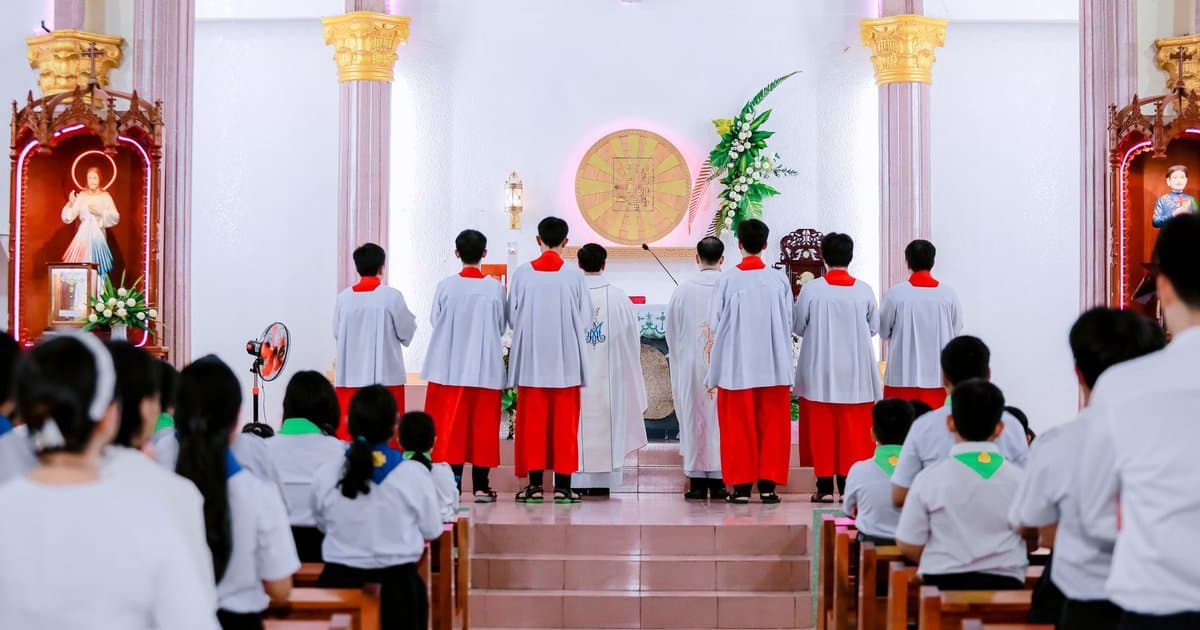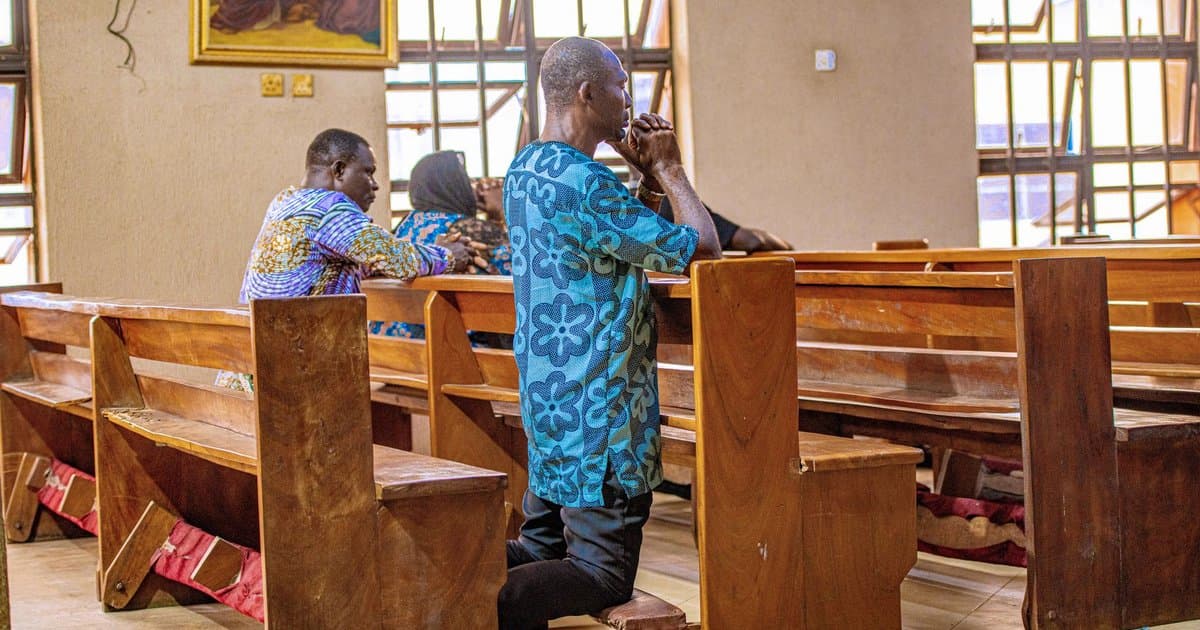
It is one of those questions people rarely stop to ask. Most Christians treat Sunday as their day of worship without thinking twice, yet the Sabbath command in the Bible clearly points to the seventh day, which is Saturday. So where did the change come from, and was it just a matter of convenience somewhere along the way? The answer is more interesting than most people expect, and it is not arbitrary. Understanding it helps make sense of why churches meet when they do, and why a handful of Christian groups still gather on Saturday to this day. It starts with what the Sabbath actually was.
In the Hebrew Bible, the Sabbath is the seventh day of the week. The book of Genesis describes God resting on the seventh day after creation, and the fourth of the Ten Commandments tells Israel to keep that day holy and set it apart from ordinary work. On the Jewish calendar, that day runs from sundown on Friday to sundown on Saturday. For the earliest followers of Jesus, who were themselves Jewish, this rhythm was simply part of life. They kept the Sabbath the way their families always had. Nothing about their new faith initially told them to abandon it, which makes the later shift toward Sunday worth explaining rather than assuming.
The turning point was the resurrection. All four Gospels agree that Jesus rose from the dead on the first day of the week, the day we call Sunday. For his followers, that single event reset everything, and the day it happened took on a weight that no other day carried. It was the day death was defeated, the day their entire hope was confirmed. It made sense that the people shaped by that morning would begin to mark it, to gather on the day their teacher walked out of the tomb. The first day of the week stopped being ordinary and started being the center of their week.
You can see that shift beginning right inside the New Testament. In the book of Acts, there is a description of believers coming together on the first day of the week to break bread and hear teaching. In one of Paul's letters, he tells a church to set aside money on the first day of the week, which suggests it was already a regular gathering day. And in the book of Revelation, the writer refers to being in the Spirit on what he calls the Lord's Day, a phrase early Christians came to use for Sunday. These are small clues, but together they show a community whose weekly gathering was moving toward that first day.
Outside the Bible, the pattern gets even clearer. Early Christian writings from the generations right after the apostles describe believers meeting on Sunday to worship, share a meal, and remember the resurrection. A teacher named Justin Martyr, writing in the middle of the second century, plainly described Sunday gatherings and explained why that day was chosen. Much later, in the year 321, the emperor Constantine made Sunday an official day of rest across the Roman world, which reinforced a practice the church had already held for a long time. The civil law followed the custom rather than inventing it.
So was the Sabbath simply canceled? That is where sincere Christians land in different places. Many see Sunday not as a replacement for the Sabbath but as its fulfillment, a new day of rest and worship centered on the resurrection rather than on creation alone. Others hold that the seventh day command still stands, and groups such as Seventh day Adventists and Seventh Day Baptists continue to worship on Saturday for exactly that reason. The apostle Paul himself wrote that each person should be fully convinced in their own mind about which days they honor, which leaves real room for that difference without treating it as a dividing line.
What ties it together is the meaning behind the day rather than the square on the calendar. For most Christians, Sunday worship is a weekly return to the event their faith rests on, a standing reminder that the tomb was empty. For those who keep Saturday, the seventh day still speaks of rest built into creation itself. Either way, the deeper principle is the same, that setting aside regular time to stop, rest, and worship is a gift rather than a burden. Knowing the history behind the day does not settle every debate, but it does turn a habit most people never question into something they can actually understand.